


The good news is that there are several effective solutions for basement waterproofing. The right approach depends on the severity of the problem, the source of the water, and the condition of your home.
1. Interior Waterproofing
Interior waterproofing focuses on managing water once it has entered your basement. This includes:
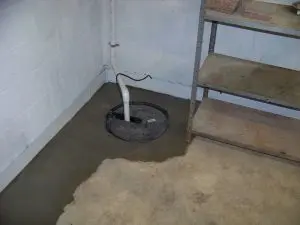
- Sump Pumps: These devices collect water from your basement and pump it away from your home. They are particularly effective in areas prone to heavy rainfall or high water tables.
- Interior Drainage Systems: Installed along the perimeter of your basement, these systems collect and redirect water to a sump pump or drainage outlet.
- Sealants and Coatings: Waterproof sealants applied to walls and floors create a barrier against moisture. While not a permanent solution, they are useful for minor leaks or dampness.
2. Exterior Waterproofing
Exterior waterproofing addresses water at its source, preventing it from entering your home. This method involves:
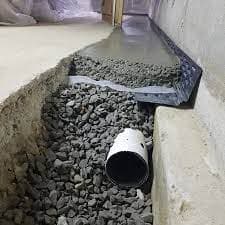
- Excavation and Membrane Application: The soil around your foundation is excavated, and a waterproof membrane is applied to the exterior walls. This creates a robust barrier against water infiltration.
- French Drains: These trenches, filled with gravel and a perforated pipe, direct water away from your foundation.
- Proper Grading: Ensuring the ground around your home slopes away from the foundation prevents water from pooling near your basement.
3. Foundation Repairs
Cracks and weak points in your foundation must be repaired to prevent water seepage. Epoxy or polyurethane injections are commonly used to seal cracks and reinforce the structure.
4. Improved Ventilation and Dehumidification
Installing a dehumidifier in your basement can help control moisture levels, particularly in humid climates. Improving ventilation also reduces the risk of condensation and dampness.
DIY vs. Professional Waterproofing
While some waterproofing solutions, such as applying sealants or using a dehumidifier, can be done by homeowners, larger issues often require professional intervention. Here’s how to decide:
DIY Waterproofing
- Suitable for Minor Issues: Small cracks, surface dampness, and condensation can often be addressed with DIY methods.
- Cost-Effective: Sealants, sump pumps, and dehumidifiers are relatively affordable and easy to install.
Professional Waterproofing
- Necessary for Severe Issues: Persistent flooding, significant foundation cracks, or widespread mold require expert evaluation and repair.
- Long-Term Solutions: Professionals can implement exterior waterproofing and drainage systems that offer lasting protection.
Choosing the Right Waterproofing Professional
If you decide to hire a contractor, make sure to choose a reputable professional. Look for licensed, insured contractors with experience in basement waterproofing. Ask for references, read reviews, and get multiple quotes to ensure you’re receiving quality service at a fair price.
Basement waterproofing is not just a luxury—it’s a necessity for protecting your home, health, and investment. From preventing structural damage to creating a healthier living environment, the benefits of waterproofing far outweigh the costs. By identifying signs of water intrusion early and implementing the right solutions, you can keep your basement dry and functional for years to come.
Whether you opt for DIY methods or professional services, addressing waterproofing issues promptly is key. Don’t wait for a flooded basement to take action—proactively waterproof your home and enjoy peace of mind knowing it’s protected.
Contact the Professionals at Highlander Waterproofing & Foundation Repair Today! (877) 415-0564
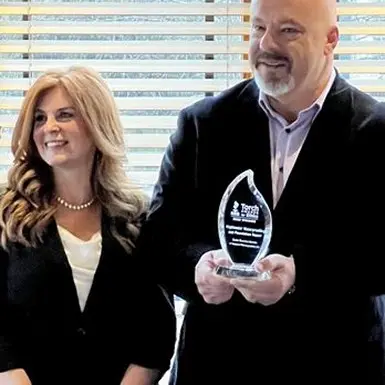
Giulio and Jennifer Bevilacqua are the dedicated and passionate owners of Highlander Waterproofing, a trusted name in basement waterproofing and foundation repair. With a commitment to protecting homes and ensuring the safety and well-being of families, Giulio and Jennifer have built Highlander Waterproofing into a premier service provider in the region. Their hands-on approach, combined with years of industry expertise, has helped them earn a stellar reputation for delivering reliable and effective waterproofing solutions.
The Bevilacquas pride themselves on offering personalized service, using proven techniques, and employing a team of highly trained professionals who share their dedication to quality workmanship. As a family-owned and operated business, Giulio and Jennifer emphasize integrity, transparency, and a genuine concern for their clients’ needs. They believe in building lasting relationships with their customers by ensuring each project is completed to the highest standards. Highlander Waterproofing continues to thrive under their leadership, offering innovative solutions and exceptional customer service that homeowners can depend on.