


Your home’s foundation is the cornerstone of its structural integrity, supporting everything from walls and floors to the roof. When issues arise with the foundation, they can lead to severe and costly problems if left unaddressed.Foundation repairis essential to maintain your home’s safety, value, and longevity.
This article provides a comprehensive guide to foundation repair, including common causes offoundation issues, warning signs, repair methods, and tips for choosing the right professional.
Understanding the Causes of Foundation Problems
Several factors can lead to foundation issues, ranging from natural environmental conditions to construction errors. Understanding these causes is crucial for identifying problems early and implementing effective solutions.
1. Soil Movement
The soil beneath your home plays a significant role in the stability of your foundation. Types of soil movement that affect foundations include:
- Expansive Soils: Certain soils, like clay, expand when wet and shrink when dry. This constant shifting puts pressure on the foundation, causing cracks and uneven settling.
- Erosion: Water runoff can erode the soil supporting your foundation, creating voids and instability.
- Poor Compaction: If the soil wasn’t properly compacted during construction, it can settle over time, leading to foundation sinking or shifting.
2. Water Damage
Water is one of the leading causes of foundation problems. Excess moisture can weaken the soil, causing it to lose its ability to support the foundation. Common sources ofwater damageinclude:
- Poor drainage around the home
- Plumbing leaks
- Heavy rainfall or flooding
3. Tree Roots
The roots of nearby trees can grow toward the foundation in search of moisture, exerting pressure that can cause cracks or shifts.
4. Poor Construction Practices
If a foundation is improperly designed or constructed with substandard materials, it is more likely to develop issues over time.
Warning Signs of Foundation Problems
Recognizing the signs of foundation issues early can save you from costly repairs in the future. Here are the most common indicators:
1. Cracks in Walls, Floors, or Foundation
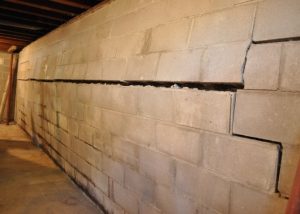
- Horizontal cracks in basement walls may indicate pressure from soil movement.
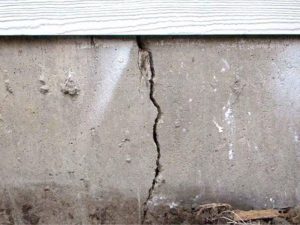
- Vertical cracks in the foundation are often a sign of settling.
2. Doors and Windows Sticking
If doors or windows are suddenly hard to open or close, it may be due to a shifting foundation.
3. Uneven or Sagging Floors
Floors that slope or feel uneven could indicate a problem with the foundation below.
4. Gaps Around Window Frames
Large gaps between window frames and walls often suggest foundation movement.
5. Bowing Walls
If basement walls appear to bow inward, it is typically a sign of external pressure on the foundation.
6. Water Intrusion
Water seeping into your basement or crawlspace is often a result of foundation cracks or drainage issues.
Types of Foundation Repair Methods
The method used to repair yourfoundation depends on the type and severity of the damage. Below are the most common foundation repair techniques:
1. Piering (Underpinning)
Piering is a widely used method for stabilizing and lifting a sinking foundation. It involves installing steel or concrete piers deep into the ground to reach stable soil or bedrock.
- Pros: Effective for major settling issues; provides long-term stability.
- Cons: Expensive and labor-intensive.
2. Slab Jacking
Slab jacking is used to lift and level sunken concrete slabs. A mixture of grout is injected beneath the slab to fill voids and raise it back to its original position.
- Pros: Quick and cost-effective for minor issues.
- Cons: Not suitable for significant structural damage.
3. Wall Anchors
Wall anchors are used to stabilize bowing or leaning walls. They work by installing anchors into the soil outside the wall and connecting them to steel plates inside the basement.
- Pros: Restores wall stability; minimally invasive.
- Cons: Requires adequate exterior space for installation.
4. Epoxy or Polyurethane Injections
Small foundation cracks can often be repaired by injecting epoxy or polyurethane into the cracks to seal them and prevent further water intrusion.
- Pros: Affordable and effective for minor cracks.
- Cons: Does not address underlying causes of cracking.
5. Helical Piers
Helical piers are screw-like anchors driven deep into the ground to support and stabilize the foundation. They are ideal for light structures and areas with unstable soil.
- Pros: Can be installed in tight spaces; effective for various soil types.
- Cons: Cost varies based on depth and soil conditions.
6. Carbon Fiber Reinforcement
For minor wall cracks or bowing,carbon fiber strips can be applied to strengthen and stabilize the affected areas.
- Pros: Non-invasive and affordable.
- Cons: Suitable only for minor issues.
7. Drainage Improvements
Sometimes, foundation problems stem from poor drainage. Adding gutters, downspouts, and French drains can divert water away from your home, reducing the risk of damage.
The Cost of Foundation Repair
Foundation repaircosts vary widely based on factors such as the extent of damage, the repair method used, and your geographic location. Here’s a rough breakdown of typical costs:
- Minor Crack Repairs: $500–$1,500
- Piering (Underpinning): $1,000–$3,000 per pier
- Slab Jacking: $500–$1,300
- Wall Anchors: $800–$2,000 per anchor
- Helical Piers: $2,000–$3,000 per pier
While foundation repair can be costly, addressing issues promptly can save you from more expensive structural repairs in the future.
DIY Foundation Repair: When Is It an Option?
Some minor foundation issues can be handled as DIY projects, such as sealing small cracks or improving drainage. However, it’s essential to know when to call in a professional. Attempting to fix major foundation problems without the right expertise and equipment can worsen the damage and increase repair costs.
Suitable for DIY:
- Filling small cracks with epoxy or polyurethane
- Installing a basic drainage system
- Adjusting gutters and downspouts to improve water flow
Requires a Professional:
- Significant settling or sinking
- Bowing or leaning walls
Choosing a Foundation Repair Contractor
Hiring the right contractor is critical to ensuring quality repairs. Follow these steps to find a reliable professional:
1. Research and Verify Credentials
Look for licensed and insured contractors with experience in foundation repair. Certifications from industry organizations like the National Association of Waterproofing and Structural Repair Contractors (NAWSRC) are a plus.
2. Check Reviews and References
Read online reviews and ask for references from past clients. A reputable contractor should have a history of satisfied customers.
3. Request Multiple Estimates
Get at least three quotes to compare pricing and services. Beware of contractors who offer extremely low bids, as they may use subpar materials or cut corners.
4. Ask About Warranties
Quality contractors typically offer warranties for their work. Ensure you understand the terms and coverage before proceeding.
Preventing Future Foundation Issues
After repairing your foundation, taking preventive measures can help avoid future problems:
- Maintain Proper Drainage: Ensure gutters and downspouts direct water at least 10 feet away from your home. Install French drains if necessary.
- Monitor Moisture Levels: Use a dehumidifier to control humidity in basements and crawlspaces.
- Inspect Trees: Keep tree roots away from your foundation by planting trees at a safe distance or using root barriers.
- Regular Inspections: Periodically check for cracks, water intrusion, or other signs of foundation issues.
Foundation repair is a critical aspect of home maintenance that ensures the safety, stability, and value of your property. By understanding the causes of foundation problems, recognizing the warning signs, and choosing the appropriate repair method, you can protect your home for years to come.
Whilefoundation repairmay seem daunting, addressing issues promptly can save you time, money, and stress in the long run. Whether you opt for DIY solutions or professional services, taking action early is the key to preserving your home’s foundation and overall structural integrity.
Contact the Professionals at Highlander Waterproofing & Foundation Repair Today! (877) 415-0564

Giulio and Jennifer Bevilacqua are the dedicated and passionate owners of Highlander Waterproofing, a trusted name in basement waterproofing and foundation repair. With a commitment to protecting homes and ensuring the safety and well-being of families, Giulio and Jennifer have built Highlander Waterproofing into a premier service provider in the region. Their hands-on approach, combined with years of industry expertise, has helped them earn a stellar reputation for delivering reliable and effective waterproofing solutions.
The Bevilacquas pride themselves on offering personalized service, using proven techniques, and employing a team of highly trained professionals who share their dedication to quality workmanship. As a family-owned and operated business, Giulio and Jennifer emphasize integrity, transparency, and a genuine concern for their clients’ needs. They believe in building lasting relationships with their customers by ensuring each project is completed to the highest standards. Highlander Waterproofing continues to thrive under their leadership, offering innovative solutions and exceptional customer service that homeowners can depend on.