Why Every Waterproofed Basement Needs a Pump Alarm
You’ve done the smart thing and waterproofed your basement. But have you ever considered that you might need a pump alarm too? Despite your best waterproofing efforts, situations like heavy rain or a burst pipe can still lead to flooding. Imagine being alerted to these water levels before they become a problem. A pump alarm can offer you this advantage, allowing for quick action to prevent damage. Without it, you’re only halfway to securing your basement against water damage. Surely you’re curious as to why this little device is so integral?
Key Benefits of Installing a Basement Pump Alarm
Pump alarms provide timely alerts of basement flooding, enabling swift action to prevent water damage.
Regular monitoring of pump functionality is reduced, saving homeowners time.
Early detection of pump issues helps extend the pump’s lifespan, ensuring optimal operation.
Installation of pump alarms could increase property value by showcasing additional safety measures.
Pump alarms act as a long-term investment, providing financial benefits through damage prevention.
Understanding Basement Water Damage
Water damage in your basement can be a homeowner’s worst nightmare. It’s not just about the mess or the inconvenience, it’s about potential structural harm, the loss of personal belongings, and the high costs of repair.
It’s no secret that basements, being below ground level, are prone to water damage. Whether it’s from rain, ice, snow, or a burst pipe, when water gets in, it can cause a whole host of problems.
Water can seep into your basement through cracks in the walls, floors, or foundations. It can also enter through windows, vents, or other openings. When left unchecked, this water can cause your basement to flood, damaging anything that’s in its path. This includes your furniture, electronics, and other items you’ve stored there.
Additionally, prolonged exposure to moisture can lead to mold growth, which poses significant health risks.
But wait, there’s more. Water damage can also compromise the structural integrity of your home. It can weaken the foundation, making your home unsafe to live in.
Basics of a Pump Alarm System
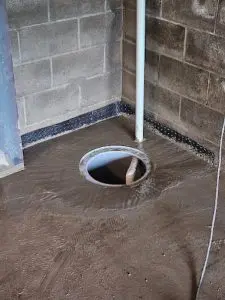
A sump pump alarm system can be your first line of defense against basement water damage. It’s a simple device, but understanding its basics is vital to guaranteeing its effectiveness.
Sensing Mechanism: The alarm system is triggered by a sensor, often a float switch. When water levels in the sump pit rise above a set point, the float switch activates the alarm.
Alarm Signal: Once triggered, the system sends out a loud noise or a visual signal. Some advanced systems can even send alerts to your mobile device.
Power Source: Pump alarms typically run on your home’s electrical system, but it’s wise to choose a model with a battery backup. Power outages often accompany heavy storms – the very conditions that make the pump necessary.
Installation: Installation of a pump alarm system isn’t overly complicated, but it requires precision.
You’ll need to set the alarm at the right level in the sump pit and make sure it’s in peak working condition.
Benefits of Installing Pump Alarms
Without a doubt, installing pump alarms in your basement can offer an array of benefits. Not only does a pump alarm increase your home’s safety, it also adds a layer of peace of mind you can’t put a price tag on.
Firstly, a pump alarm can help you avoid water damage. It’ll alert you if there’s flooding in your basement, giving you time to take action before the problem escalates. This could save you thousands in potential repair costs.
Secondly, it’s a time-saver. You won’t have to constantly check on your pump’s functionality. The alarm will let you know if something’s off, meaning you can focus on other important tasks.
Thirdly, it helps preserve the longevity of your pump. An alarm can detect issues you might miss, like pump failure or blockage. Early detection allows for timely repairs, extending your pump’s life.
Lastly, pump alarms increase your home’s value. Prospective buyers would appreciate that you’ve taken measures to protect the property.
In short, a pump alarm isn’t just a safety feature – it’s an investment that pays for itself in the long run.
Choosing the Right Pump Alarm
In the face of countless options, picking the right pump alarm might seem like an uphill battle.
But don’t worry, we’re here to help make this task less overwhelming. Remember, the right pump alarm should match your specific needs and circumstances.
To simplify the process, here’s a 4-step guide to help you choose:
Understand your requirements: Examine the specifics of your basement. Is it prone to frequent flooding? What’s the depth of your sump pit? These factors will determine the type of alarm you need.
Consider the alarm features: Look for alarms with advanced features. Battery backup, remote notification capabilities, and dual float switches can provide extra peace of mind.
Check the brand’s reliability: Opt for brands known for their durability and reliability. Read reviews and customer feedback before making a decision.
Evaluate the cost: While cost shouldn’t be the sole deciding factor, it’s crucial to find a pump alarm that fits within your budget.
Choosing the right pump alarm isn’t just about the product itself, but also about the peace of mind it brings.
Proactive Maintenance Tips for Pump Alarms
To keep your pump alarm functioning ideally, regular maintenance is key. Don’t wait for a problem to arise before taking action.
Start by checking the battery regularly. A weak battery can cause your pump alarm to fail, leaving you in the dark about a potential flood. Replace it annually, even if it’s not dead yet.
Next, test the alarm monthly. Simply pour some water into the sump pit to trigger the alarm. If it doesn’t sound, you’ve got a problem that needs immediate attention.
Also, keep an eye out for debris in the sump pit. Leaves, dirt, or other debris can interfere with the float mechanism. Clean the pit regularly to avoid this issue.
Remember, moisture can damage the alarm system. Consequently, verify your sump pit has a tight-fitting lid to prevent excess moisture from affecting the alarm components.
Lastly, don’t forget to schedule professional maintenance annually. Technicians can detect and fix potential issues before they escalate.
So, don’t let water damage catch you off guard. A pump alarm is an essential tool for any waterproofed basement. It’ll alert you to rising water levels, giving you the chance to act fast and minimise damage. You’ll not only protect your property value, but also gain peace of mind. Choose the right pump alarm, maintain it well, and you can keep your basement safe and dry, rain or shine.
Giulio and Jennifer Bevilacqua are the dedicated and passionate owners of Highlander Waterproofing, a trusted name in basement waterproofing and foundation repair. With a commitment to protecting homes and ensuring the safety and well-being of families, Giulio and Jennifer have built Highlander Waterproofing into a premier service provider in the region. Their hands-on approach, combined with years of industry expertise, has helped them earn a stellar reputation for delivering reliable and effective waterproofing solutions.
The Bevilacquas pride themselves on offering personalized service, using proven techniques, and employing a team of highly trained professionals who share their dedication to quality workmanship. As a family-owned and operated business, Giulio and Jennifer emphasize integrity, transparency, and a genuine concern for their clients’ needs. They believe in building lasting relationships with their customers by ensuring each project is completed to the highest standards. Highlander Waterproofing continues to thrive under their leadership, offering innovative solutions and exceptional customer service that homeowners can depend on.
To provide the best experiences, we use technologies like cookies to store and/or access device information. Consenting to these technologies will allow us to process data such as browsing behavior or unique IDs on this site. Not consenting or withdrawing consent, may adversely affect certain features and functions.
Functional Always active
The technical storage or access is strictly necessary for the legitimate purpose of enabling the use of a specific service explicitly requested by the subscriber or user, or for the sole purpose of carrying out the transmission of a communication over an electronic communications network.
Preferences
The technical storage or access is necessary for the legitimate purpose of storing preferences that are not requested by the subscriber or user.
Statistics
The technical storage or access that is used exclusively for statistical purposes.The technical storage or access that is used exclusively for anonymous statistical purposes. Without a subpoena, voluntary compliance on the part of your Internet Service Provider, or additional records from a third party, information stored or retrieved for this purpose alone cannot usually be used to identify you.
Marketing
The technical storage or access is required to create user profiles to send advertising, or to track the user on a website or across several websites for similar marketing purposes.