


You’ve probably noticed that your floors aren’t as level as they used to be. You might chalk it up to your house settling, but did you know that crawlspace moisture could be the real culprit? That’s right, the dampness lurking beneath your home can lead to sagging floors. It’s a far-reaching problem that can affect your home’s structural integrity and even your health. But what’s the connection between these two seemingly unrelated things? Let’s explore this fascinating and important issue further.
Key Takeaways
- Moisture in crawlspaces can lead to wood absorption, resulting in expansion, warping, and eventually sagging floors.
- A damp crawlspace fosters mold and mildew growth, which further degrades wood and compromises floor structural integrity.
- Persistent moisture can cause wood rot and rusted metal parts, weakening structural elements and contributing to sagging floors.
- Signs of moisture issues and sagging floors include uneven surfaces, furniture sitting unevenly, and sticking doors or windows.
- Protective layers like vapor barriers and regular inspections can prevent moisture infiltration, thereby preventing sagging floors.
 Understanding Crawlspace Moisture
 Understanding Crawlspace Moisture
Over time, you may have noticed an unpleasant, musty odor emanating from your crawlspace. This smell is often a clear sign of moisture buildup, which can lead to a myriad of problems, including sagging floors. Understanding crawlspace moisture is the first step in tackling these issues.
When it rains, or when there’s a high level of humidity, moisture can easily seep into your crawlspace. It can enter through cracks or openings in your foundation, or be absorbed from the surrounding soil. Poor drainage and inadequate ventilation can also contribute to the problem, trapping moisture and creating a damp environment.
While you may not see the moisture, you’ll definitely feel its effects. Over time, the dampness can cause wooden beams and joists in your flooring structure to weaken and rot.
It’s like a silent, sneaky intruder, wreaking havoc without your immediate knowledge.
Taking care of crawlspace moisture isn’t just about getting rid of the musty smell. It’s about preserving the integrity of your home.
Effects of Moisture on Flooring
Creeping silently beneath your feet, moisture in your crawlspace can have a devastating impact on your flooring. You mightn’t see it, but it’s working away, causing insidious damage that can cost you dearly in the long run.
Let’s consider the effects. As moisture builds up, it begins to seep into the wooden components of your flooring. You’ve got to remember, wood’s like a sponge; it’ll absorb the water, causing it to expand. This expansion then leads to warping or cupping of your floorboards, which can leave your floors uneven and unsightly.
But it doesn’t stop there. Over time, continuous water exposure can lead to wood rot. As the wood deteriorates, it loses its structural integrity, becoming weak and brittle. This process can result in your floors sagging, a serious issue that can both decrease your home’s value and increase the risk of accidents.
Don’t underestimate the destructive force of moisture. It’s not just about aesthetics, but also about the safety and durability of your home. Understanding the effects of crawlspace moisture on your flooring is essential in maintaining the health of your home and preventing future issues.
Spotting Signs of Sagging Floors
To maintain the health and safety of your home, it’s important you know how to spot the signs of sagging floors. The first thing you’ll likely notice is an uneven surface. You might feel like you’re walking uphill or downhill in certain parts of your home.
It’s also possible for furniture to sit unevenly, or for doors and windows to stick or become difficult to open and close.
Another sign is seeing gaps between your floor and baseboards or noticing your floorboards creaking more than usual. These are indicators that your floor isn’t as level as it should be.
Keep an eye out for cracks in your walls too. They can form because sagging floors can pull your walls downward, causing them to crack.
A sagging floor can also cause a bounce or give when you walk on it. This is due to the floor joists becoming weak from moisture damage.
The Science Behind Moisture Damage
If you’ve ever wondered how moisture can wreak havoc on your home’s structure, it all boils down to the science behind moisture damage. Here’s a simplified explanation: when your crawlspace is damp, the moisture content of the wood used in your home’s construction increases. This can cause the wood to expand, warp, or even rot.
High humidity levels can also create an ideal environment for mold and mildew growth, which can further degrade the wood. Over time, this process weakens your home’s structural integrity, leading to issues like sagging floors.
Now, let’s break this down further with a table:
| Moisture Issue | Potential Damage |
|---|---|
| High humidity | Ideal environment for mold/mildew |
| Wood expansion | Warped, uneven floors |
| Wood rot | Weakness and instability in structure |
| Fungal growth | Further degradation of wood |
| Rusted metal parts | Reduced strength and lifespan of structural elements |
Understanding the science behind moisture damage is the first step towards ensuring your home’s long-term health. In the next section, we’ll explore how you can prevent crawlspace moisture buildup. But for now, remember: moisture is more threatening to your home than you might think.
Preventing Crawlspace Moisture Buildup
Maintaining a dry crawlspace is essential for preserving your home’s structural integrity. Start by ensuring proper grading around your house. Water should always flow away from your home, not towards it. If it’s not, you’ll need to address that first.
Next, invest in a quality vapor barrier. A good one should cover the entire crawlspace floor and extend up the walls. Seal any gaps and joints meticulously. It’s all about creating a continuous barrier to block moisture from the ground.
Ventilation is also key. You’ve got to maintain a consistent airflow to help keep the area dry. Consider installing vent fans if you don’t have them already.
But remember, ventilation isn’t a one-size-fits-all solution. It’s influenced by your local climate, so what works in a humid region mightn’t work in a dry one.
Lastly, keep an eye on your gutters and downspouts. They should direct water away from your foundation. If they’re clogged or broken, they could be causing more harm than good.
Professional Solutions for Moisture Control
Despite your best efforts, sometimes DIY methods fall short in effectively controlling crawlspace moisture.
That’s when you’ll need to call in the professionals. They’ve got the tools, knowledge, and experience to tackle persistent moisture problems that can lead to sagging floors.
A professional moisture control service can provide numerous effective solutions.
Here are a few:
- Crawlspace encapsulation: This involves placing a heavy-duty polyethylene barrier over the floor, foundation walls, and possibly even the ceiling of your crawlspace, creating a moisture barrier.
- Dehumidifier installation: Professionals can install a high-quality dehumidifier specifically designed for crawlspaces, which can drastically reduce moisture levels.
- Proper insulation: Insulation can help regulate the temperature in your crawlspace and reduce condensation.
- French drain system: This system, if installed correctly, can divert water away from your home.
- Vapor barrier installation: Professionals can install a vapor barrier to block moisture from entering your crawlspace.
Homeowner Tips for Floor Maintenance
As a homeowner, you can do a lot to maintain your floors and prevent sagging.
Start by establishing a regular cleaning routine to avoid build-up that can damage your floors over time.
Don’t forget to include periodic structural assessments to catch any potential issues before they become significant problems.
Regular Floor Cleaning Routine
A regular floor cleaning routine is your secret weapon against crawlspace moisture and sagging floors.
By maintaining cleanliness, you’re preventing the accumulation of moisture that could seep into your home’s infrastructure, leading to structural issues.
Here are five simple yet effective tips to keep your floors in top shape:
- Sweep daily. Dirt and dust can scratch your floor and trap moisture. Regular sweeping keeps your floors tidy and reduces the chances of moisture buildup.
- Mop regularly. Use a damp mop, not a wet one. Excessive water can seep into the cracks and cause damage.
- Dry your floors. Never leave your floors wet. Always dry them thoroughly after cleaning to avoid any moisture from seeping into your crawlspace.
- Use appropriate cleaners. Each floor type requires a specific cleaner. Using the wrong one can damage your floor and potentially increase moisture retention.
- Wax and Seal. Provide your floors with a protective layer. This helps to prevent moisture infiltration.
Periodic Structural Assessments
Alongside maintaining cleanliness, conducting periodic structural assessments forms another cornerstone in preventing crawlspace moisture and sagging floors. You can’t turn a blind eye to the foundation of your home. Regular inspections help in early detection of potential issues, saving you from hefty repair bills in the long run.
You should engage professional services at least once a year. However, there are certain signs you can watch out for in between these checks. If you notice doors not closing properly, cracks in the wall, or uneven floors, it’s time to call in the experts.
| Signs | Possible Causes | Actions |
|---|---|---|
| Doors not closing | Foundation settling | Professional assessment |
| Wall cracks | Shifting soil, moisture | Get a moisture test, professional inspection |
| Uneven floors | Sagging joists, beams | Check crawlspace, engage professional help |
Case Studies: Moisture and Floor Damage
Battling against persistent moisture in your crawlspace? You’re not alone. Many homeowners face similar issues, and the resulting floor damage can be significant.
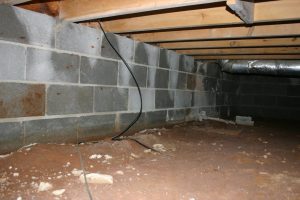
Let’s look at a few real-life examples to illustrate the problem:
- Case 1: A homeowner in Florida found that his hardwood floors were warping. After investigating, he discovered a damp crawlspace caused by poor ventilation and a lack of a vapor barrier.
- Case 2: A family in Georgia noticed a musty smell in their home. Further examination revealed mold growth on the floor joists in their crawlspace, caused by excessive moisture.
- Case 3: In Oregon, a couple’s floor started sagging. A professional inspection showed that the crawlspace’s excessive humidity had led to wood rot.
- Case 4: A homeowner in Texas found termite infestation in their flooring. The source? A moist crawlspace, which provided an ideal environment for the pests.
- Case 5: A family in Ohio faced high energy bills due to heating loss from a poorly sealed crawlspace, which also led to moisture-induced floor damage.
These cases highlight the importance of controlling crawlspace moisture to prevent floor damage. It’s a challenge you can’t ignore.
So, you see, crawlspace moisture isn’t just a minor issue. It’s a major culprit behind sagging floors. The excess moisture damages your wooden beams, leading to uneven floors and mold growth. But don’t worry! Regular maintenance and professional moisture control can help. Stay proactive in spotting signs of damage and act quickly to maintain your home’s structural integrity. Remember, a solid foundation is a key to a safe and comfortable home.

Giulio and Jennifer Bevilacqua are the dedicated and passionate owners of Highlander Waterproofing, a trusted name in basement waterproofing and foundation repair. With a commitment to protecting homes and ensuring the safety and well-being of families, Giulio and Jennifer have built Highlander Waterproofing into a premier service provider in the region. Their hands-on approach, combined with years of industry expertise, has helped them earn a stellar reputation for delivering reliable and effective waterproofing solutions.
The Bevilacquas pride themselves on offering personalized service, using proven techniques, and employing a team of highly trained professionals who share their dedication to quality workmanship. As a family-owned and operated business, Giulio and Jennifer emphasize integrity, transparency, and a genuine concern for their clients’ needs. They believe in building lasting relationships with their customers by ensuring each project is completed to the highest standards. Highlander Waterproofing continues to thrive under their leadership, offering innovative solutions and exceptional customer service that homeowners can depend on.
