


Your home’s foundation is its backbone, and like your own backbone, it needs care and attention. If you’ve noticed cracks in your walls, uneven floors, or doors that don’t close properly, you might be dealing with foundation problems. But there’s good news – expert foundation repair solutions can help. Whether it’s underpinning, mudjacking, or sealing techniques, professionals have the tools and knowledge to restore your home to its firm footing. And remember, prevention is key too. Stick around to discover how to avoid these issues in the first place.
Foundation Repair Essentials: Inspections, Prevention & SolutionsKey Takeaways
- Regular inspections identify early signs of foundation damage, like cracks or uneven floors, preventing severe structural issues.
- To protect your home, improve drainage systems, maintain gutters, and landscape to direct water away from the foundation.
- Repair methods for foundation issues include slabjacking, piering, sealing, and underpinning, with underpinning being cost-effective for severe settling problems.
- Engaging professional inspectors ensures accurate assessments, appropriate repair techniques, and potential savings on future repair costs.
- Economical repair options include crack patching, steel stabilization, and hydraulic jacks, which are beneficial in preventing more costly future issues.
Understanding Foundation Damage
Your home, the sanctuary you come back to every day, could be hiding a silent destroyer within its depths – foundation damage. It’s not something you’d typically think about, but just like other parts of your home, your foundation needs regular checks for damage.
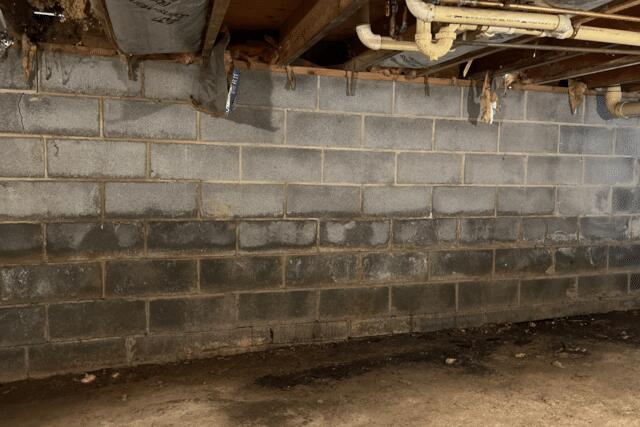
Foundation damage can occur due to a variety of reasons. Environmental factors such as soil erosion, poor drainage, and extreme weather conditions can all contribute. Then there’s also natural aging and wear and tear. Sometimes, it’s just the house settling down into its position.
But whatever the cause, the repercussions are serious. If not addressed promptly, foundation issues can lead to major structural problems. Cracks in the walls, sagging floors, and doors that won’t close properly are just the tip of the iceberg. Over time, the damage can become extensive, jeopardizing the safety and value of your home.
Don’t panic yet, though. With regular inspections and maintenance, you can catch foundation problems early on. And if you’re already facing this issue, there are reliable repair solutions out there.
Common Signs of Trouble
Several telltale signs can indicate potential foundation problems in your home. You shouldn’t ignore these warnings; early detection can save you from costly repairs down the line.
One common sign is cracks in your walls or floors. These can be hairline fractures or wider gaps. If they’re growing, it’s a clear indication that your foundation is shifting.
You might also notice doors and windows that don’t close properly. This can be due to your home settling unevenly, causing frames to warp.
Another sign is a sloping floor. If you’re dropping a marble and it rolls away, you’ve likely got a problem. Uneven flooring is a serious indicator of foundation damage.
Also, be alert for a damp basement or crawl space. Persistent moisture can weaken your foundation, and it’s often accompanied by a musty odor.
Causes of Foundation Issues
Underneath your home, various factors could be wreaking havoc on your foundation. It’s not just age that wears down a foundation. Other causes can include soil-related issues, poor drainage, and even tree roots.
Soil plays a vital role in your home’s stability. If you’re dealing with expansive soil, it’ll swell when wet and shrink when dry, causing movement. This constant shifting can put significant stress on your foundation, leading to cracks and other damage.
Inadequate drainage is another common culprit. If water isn’t properly directed away from your home, it can pool around the foundation. Over time, this can soften the soil and cause the foundation to sink or shift.
Finally, tree roots can pose a threat. While they add charm to your property, their search for water can lead them to grow towards your foundation. This can result in pressure against the foundation and even intrusion into it, causing considerable damage.
Understanding these causes is the first step in protecting your home. Noticing issues early and acting fast can save you from costly repairs in the future.
Importance of Professional Inspection
Often, homeowners may overlook subtle signs of foundation damage. You might dismiss small cracks or doors that don’t close properly as minor issues, not realizing that they’re symptoms of a serious problem lurking beneath your home. This is where a professional inspection becomes essential.
Professional inspectors are trained to spot signs of foundation damage that you might miss. They’ll scrutinize every corner of your property, identifying problems before they escalate into costly repairs.
Here are a few reasons to invest in a professional inspection:
- Unbiased Diagnosis: An inspector isn’t trying to sell you repair services. They’re there to provide an honest assessment of your home’s condition.
- Comprehensive Report: After the inspection, you’ll receive a detailed report outlining all areas of concern.
- Preventive Measures: Inspectors can recommend steps to prevent future damage.
- Peace of Mind: Knowing that your home has passed a professional inspection lets you sleep easy.
In short, a professional inspection is an investment in the health of your home. It’s a small price to pay for the security of knowing your home’s foundation is safe and secure.
DIY vs. Expert Repairs
Weighing the pros and cons between DIY and expert repairs can be a challenge. On one hand, tackling foundation repairs yourself can save you money. Armed with online guides and a can-do attitude, you might feel prepared for the task.
However, it’s not as simple as it seems. Foundation repairs require detailed knowledge and specific tools. Missteps can lead to further damages, costing more in the long run.
In contrast, hiring experts might feel like a hefty expense, but remember, you’re paying for their expertise, precision, and assurance of a job well done. Experts have the right tools and know-how, which guarantees the job gets done correctly, efficiently, and safely.
They can identify and address underlying issues that you might miss, preventing future problems. Plus, professional repairs often come with warranties, giving you peace of mind.
Ultimately, the choice between DIY and expert repairs hinges on your budget, time, and confidence in your abilities. It’s a decision that could impact your home’s longevity, so choose wisely.
In the next section, we’ll explore the types of foundation repair solutions available to you.
Types of Foundation Repair Solutions
Now, let’s talk about the different types of foundation repair solutions.
You’ll need to grasp the common methods to make an informed decision.
Being aware of these options can help you choose the right solution for your specific situation.
Understanding Foundation Repair
Digging into the world of foundation repair, it’s important to understand that there are several types of solutions available.
But before diving into the specifics, let’s clarify what foundation repair really means. It’s the process of addressing and fixing issues within your home’s foundation, the bedrock of your property.
Issues can arise from a variety of sources including soil conditions, water damage, or simply age.
When dealing with foundation repair, you’ll come across a few common terms:
- Underpinning: This method involves strengthening the foundation by extending it deeper into the ground.
- Piering: This is used to correct soil issues underneath the foundation, ensuring it’s stable.
- Resurfacing: This covers up cracks and other visible damage on your foundation’s exterior.
- Waterproofing: This is essential in preventing future damage caused by water infiltration.
Common Repair Solutions
When it comes to common repair solutions for your home’s foundation, you have several options to contemplate. Each method differs regarding cost, effectiveness, and suitability for your specific situation.
| Foundation Repair Solution | Description |
|---|---|
| Helical Piers | They’re screwed into the ground to support your house’s structure. They’re great for lighter, less complex structures. |
| Push Piers | These steel piers are driven into the ground to hold up your home. They’re perfect for heavier, more complex structures. |
| Slabjacking | This involves pumping a grout mixture into the ground under a slab to lift it back up to its original position. It’s best for correcting settled slabs. |
Helical piers offer a less invasive option, while push piers provide more substantial support for larger structures. If your issue lies with a settled slab, slabjacking might be the best solution. Each of these techniques has its own pros and cons, which you’ll need to weigh carefully. It’s also essential to consult with a professional to guarantee you’re making the best choice for your home. Remember, a solid foundation is key to maintaining your home’s value and safety.
Choosing the Right Method
In the thick of foundation woes, choosing the right repair method can seem like an intimidating task. But don’t worry, we’ll guide you through the process.

Firstly, you need to understand the different types of foundation repair solutions. This knowledge will help you make an informed decision. Here are four common methods:
- Slabjacking: This involves pumping a cement mixture beneath the concrete to lift it back to its original position.
- Piering: Metal posts are driven through unstable soil to provide support.
- Sealing: This is used to address water leakage issues. Waterproofing materials are applied to prevent further damage.
- Underpinning: This strengthens the foundation by extending its depth or breadth if it wasn’t properly designed initially.
Each method has its own pros and cons, and the best one for you depends on the type of damage your foundation has sustained.
It’s essential to consult with professionals who can evaluate your situation and recommend the most suitable solution.
Cost Breakdown: Repair Solutions
You might be wondering about the cost of these foundation repair solutions.
It’s essential to grasp what goes into the pricing so you can budget effectively.
Let’s explore the breakdown of repair costs and look at some economical options that won’t break the bank.
Understanding Repair Costs
Deciphering the cost of foundation repair can feel like solving a complex puzzle. However, understanding how these costs are determined can help you make a more informed decision when it comes to protecting your home.
The cost of foundation repair is often influenced by a few key factors:
- Extent of Damage: The more severe the damage, the more complex the repair, and the more it’s going to cost.
- Type of Foundation: Different types of foundations require different repair techniques. Whether you have a slab, crawlspace, or basement foundation, each comes with its own set of repair costs.
- Local Labor Rates: Your location can greatly impact the cost. Labor rates can vary widely from region to region.
- Additional Costs: Things like permits, engineer reports, and landscaping restoration can add to the overall expense.
Your specific situation might include other factors that aren’t listed here. It’s important to get a detailed estimate from a professional to understand fully what you’re up against.
Economical Solution Options
Steering through the world of economical foundation repair solutions doesn’t have to be intimidating. You’ll find a range of affordable options that won’t break the bank, each with its own pros and cons.
Consider these three economical solutions: patching small cracks, stabilizing with steel, or using hydraulic jacks. Patching small cracks is the most affordable option and can cost as little as $500. If you’re dealing with a larger issue like a shifting foundation, steel stabilization might be your best bet, with costs averaging around $4,000. Hydraulic jacks, while a bit pricier at an average of $5,500, offer an effective solution for sinking foundations.
Here’s a simple table to break it down:
| Solution | Average Cost |
|---|---|
| Patching Cracks | $500 |
| Steel Stabilization | $4,000 |
| Hydraulic Jacks | $5,500 |
Maintaining Your Home’s Foundation
In the domain of homeownership, maintaining your home’s foundation is essential to guarantee the longevity of your property.
It’s not just about having a problem and fixing it; you should consistently keep an eye on your foundation to spot potential issues before they escalate.
Here are some simple steps you can take to maintain the foundation of your home:
- Regular inspections: Get in the habit of checking your home’s foundation for cracks or signs of damage. You can do this yourself or hire a professional.
- Manage moisture levels: Keep your home’s moisture levels in check. Excessive water can weaken your foundation over time.
- Maintain proper drainage: Make certain that your home’s drainage system is working effectively. Water pooling around your foundation is a red flag.
- Mind the landscaping: Be mindful of where you plant trees. Roots can grow into your foundation, causing significant damage.
Don’t wait until you’re facing a significant problem.
Regular maintenance can save you from costly repairs down the line.
It’s about protecting your investment and making sure that your home stands strong for years to come.
Preventative Measures to Consider
Beyond regular maintenance, you’ll want to take some preventative measures to keep your home’s foundation in top shape. These precautions can save you from costly repairs in the future and guarantee your home remains safe and secure.
Here’s a table outlining some key preventative measures:
| Measure | Description | Benefit |
|---|---|---|
| Proper Drainage | Make sure water flows away from your home. | Prevents soil saturation and pressure on the foundation. |
| Tree Planting | Plant trees at a safe distance from the house. | Minimizes root intrusion into the foundation. |
| Soil Grading | Maintain a slope away from your foundation. | Directs water away, reducing soil expansion and contraction. |
| Regular Inspections | Schedule professional foundation inspections. | Early detection of potential issues. |
| Moisture Control | Install a vapor barrier in your crawl space. | Reduces moisture and prevents mold growth. |
Implementing these measures may require some effort, but they’re essential in maintaining your home’s integrity. Remember, prevention is always better than cure, especially with something as critical as your home’s foundation. So pay attention to these aspects and keep your house standing strong for years to come.
Case Study: Successful Foundation Repairs
You’ve noticed problems with your foundation, now let’s talk about how they were addressed in a successful repair case.
This next section will walk you through the process of identifying foundation issues and implementing effective repair strategies.
It’s a real-life example that showcases the potential for successful foundation repairs.
Identifying Foundation Issues
Spotting foundation issues early on can save you a heap of trouble down the line. It’s not just about preventing structural damage; it’s about securing your peace of mind.
But, how can you tell if your home’s foundation is in jeopardy? Here are a few tell-tale signs to watch for:
- Unusual cracks: Look for horizontal, vertical, or diagonal cracks on walls, especially those near corners, windows, or doors. Cracks in your flooring can also be a sign of a foundation issue.
- Doors and windows that stick: If your doors or windows are suddenly hard to open or close, it could mean that your foundation is shifting.
- Uneven floors: Notice if your floors start to slope or sag. This can be a clear indication of foundation problems.
- Gaps between walls and ceiling: If you see gaps where walls meet ceilings or floors, it’s a warning sign.
Don’t wait until these problems escalate. You can’t afford to ignore these signs.
Implementing Repair Strategies
Having identified potential foundation issues in your home, it’s now time to explore how to tackle them head-on. This phase, often referred to as implementing repair strategies, is essential in ensuring the longevity and safety of your home.
First and foremost, you’ll need to engage a professional foundation repair service. They’ve got the expertise and equipment necessary for this task. You might think it’s an expensive exercise, but consider the cost of not doing it; you’re risking the entire structure of your home.
The repair strategies implemented will depend on the nature of your foundation problems. For instance, if you’ve got a settling or sinking foundation, the experts might opt for underpinning, which involves extending the foundation deeper into the ground.
If you’re dealing with foundation cracks, they may recommend sealants or injections.
Remember, it’s not just about repairing current damage. It’s also about preventing future issues. So, the professionals will also recommend strategies like improving drainage around your house to prevent water buildup, which can exacerbate foundation problems.
In a nutshell, implementing repair strategies is about getting the right help, using the right techniques, and taking proactive steps. Protect your home from the ground up!
Frequently Asked Questions
How Long Does a Typical Foundation Repair Process Take?
You’re wondering about the duration of a typical foundation repair. It’s not a one-size-fits-all answer. Generally, it can take a few days to several weeks, depending on the severity of the damage and repair method used.
Is a Building Permit Necessary for Foundation Repair?
Yes, like needing a recipe to bake a cake, you’ll need a building permit for foundation repair. It’s essential to guarantee your repairs meet local building codes and regulations for your home’s safety and value.
Will Foundation Repair Affect My Home Insurance Rates?
Yes, foundation repair can affect your home insurance rates. It’s best to check with your insurer beforehand. They’ll provide you with information on potential rate changes based on the scope of the repairs needed.
Can Foundation Repairs Increase the Value of My Home?
Absolutely, foundation repairs can boost your home’s value. It’s a smart move. You’re not just fixing damage, you’re investing in your property’s future. Buyers value solid infrastructure, so you’ll see a return on your investment.
Are There Financing Options Available for Foundation Repairs?
Yes, there are financing options available for foundation repairs. You’ll find many companies offer payment plans, loans, or partnerships with lenders. It’s best to research and compare to find the most affordable solution for you.
So, don’t let foundation problems undermine your home’s integrity. Take Bob, for instance. He spotted minor cracks and immediately called in experts. They found settling issues and fixed them promptly, saving Bob thousands in future repairs. Remember, regular inspections and proactive measures can save you a fortune down the line. It’s about protecting your home from the ground up. After all, a solid foundation is key to a sturdy, valuable home.
Contact the Professionals at Highlander Waterproofing & Foundation Repair Today! (877) 415-0564

Giulio and Jennifer Bevilacqua are the dedicated and passionate owners of Highlander Waterproofing, a trusted name in basement waterproofing and foundation repair. With a commitment to protecting homes and ensuring the safety and well-being of families, Giulio and Jennifer have built Highlander Waterproofing into a premier service provider in the region. Their hands-on approach, combined with years of industry expertise, has helped them earn a stellar reputation for delivering reliable and effective waterproofing solutions.
The Bevilacquas pride themselves on offering personalized service, using proven techniques, and employing a team of highly trained professionals who share their dedication to quality workmanship. As a family-owned and operated business, Giulio and Jennifer emphasize integrity, transparency, and a genuine concern for their clients’ needs. They believe in building lasting relationships with their customers by ensuring each project is completed to the highest standards. Highlander Waterproofing continues to thrive under their leadership, offering innovative solutions and exceptional customer service that homeowners can depend on.