


Just as a ship uses bilge pumps to prevent it from sinking, your home needs an efficient interior drainage system to keep your basement dry and impervious to water damage. Have you thought about the potential havoc unchecked moisture can wreak on your basement’s structure, leading to costly repairs, not to mention the health risks associated with mold growth? An interior drainage system acts as your home’s bulwark, curbing these issues by combating excess water and humidity. Yet, you might wonder, “How exactly does this system contribute to a healthier and more secure living space?” Let’s dive deeper.
Understanding Interior Drainage Systems
Within the domain of home improvement, understanding interior drainage systems is essential. It’s not something you’d think about often, but knowing how they function can save you a lot of trouble down the road.
Interior drainage systems are designed to collect excess water from inside your home, preventing it from causing damage. They’re typically installed around the perimeter of your basement or crawl space, capturing any water that seeps in and directing it away from your home.
You might wonder, why would water get inside in the first place? It could be due to a number of reasons. Heavy rainfall or melting snow can saturate the soil around your home, causing water to seep in through cracks in your foundation.
Even condensation from humid air can contribute to this problem.
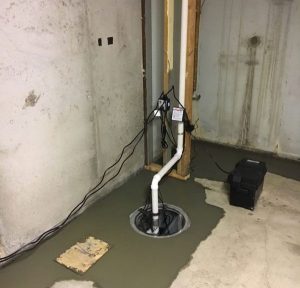
A well-functioning interior drainage system has several key components. These include catch basins, drain pipes, and a sump pump to remove the collected water.
Remember, maintaining these components is as important as having them in the first place.
Now, you’re not an expert, but you’re certainly more knowledgeable than before. And that’s a step in the right direction.
Preventing Structural Damage
When it comes to safeguarding your home, an interior drainage system offers significant protection against structural damage.
By effectively mitigating foundation cracks, you’re preventing a host of subsequent issues from arising.
Additionally, controlling dampness and mold helps maintain the integrity of your home’s structure, ensuring you avoid costly repairs down the line.
Foundation Cracks Prevention
Cracks in your building’s foundation aren’t just unsightly; they can lead to serious structural damage over time. They’re a sign that your foundation isn’t effectively channeling water away, and that’s where an interior drainage system comes in.
You see, when water accumulates around your foundation, it creates pressure. This hydrostatic pressure can cause your foundation to crack, jeopardizing the stability of your structure. An interior drainage system helps relieve this pressure, preventing the formation of these damaging cracks.
The system works by collecting the excess water and directing it away from your foundation. It’s installed along the perimeter of your basement, just beneath your floor level. It captures water before it can infiltrate your foundation, diverting it into a sump pump system.
The sump pump then swiftly removes the water from your property. This process drastically reduces the amount of water that can cause hydrostatic pressure and, in turn, foundation cracks.
But that’s not all. An interior drainage system also helps maintain the integrity of your basement floor. By controlling water intrusion, it helps prevent heaving – a common problem caused by the expansion of wet soil beneath your basement floor.
All in all, it’s a smart, effective way to safeguard your structure’s foundation.
Dampness and Mold Control
Beyond mere aesthetics, dampness and mold can pose significant risks to your property’s structural integrity. They’re not just unsightly; unchecked moisture can lead to serious structural damage over time. It weakens support beams, deteriorates concrete, and can even cause foundation cracks.
Getting ahead of dampness and mold is consequently an essential part of maintaining your property.
That’s where interior drainage systems come in. They’re designed to manage excess water, channeling it away from your home to prevent it from causing harm. The systems are usually installed along the perimeter of your basement floor, capturing any water that tries to seep in and redirecting it to a sump pump, which then safely expels it outside.
Mold, a moisture-loving fungus, also poses a threat. It can cause health issues and damage construction materials like drywall and wood.
Enhancing Basement Air Quality
You mightn’t often consider it, but the air quality in your basement can have a significant impact on your home’s overall indoor environment. Poor air quality can lead to a variety of health issues, including allergies, asthma, and other respiratory problems.
It’s important to understand that an interior drainage system plays a crucial role in enhancing your basement’s air quality. When it’s properly installed, an interior drainage system effectively controls water intrusion, which can cause dampness and lead to poor air quality. This system works by directing water away from your basement, preventing it from stagnating and causing issues.
In addition, an interior drainage system also helps to regulate the humidity levels in your basement. High humidity can make your basement feel stuffy and uncomfortable, but more importantly, it can contribute to poor air quality.
Reducing Mold and Mildew Growth
One of the critical benefits of installing an interior drainage system is its effectiveness in reducing mold and mildew growth. These fungi thrive in damp, humid environments, and a wet basement provides an ideal breeding ground.
With an efficient drainage system, you’ll considerably decrease moisture levels, fundamentally starving mold and mildew of the conditions they need to grow.
Why does this matter? Well, mold and mildew aren’t just unsightly; they pose serious health risks. Breathing spores can trigger allergies, asthma attacks, and other respiratory problems. Some molds even produce toxins that can lead to neurological issues over prolonged exposure.
By limiting mold and mildew growth, you’re not just improving your basement’s appearance, but also protecting your health.
Now, it’s important to remember that a drainage system isn’t an instant mold eradicator. If you’ve already got mold, you’ll need professional help to remove it.
However, an interior drainage system can halt further growth, stop it from coming back, and prevent new colonies from forming in the first place. It’s a proactive, long-term solution for a cleaner, healthier basement.
Protecting Your Home Investment
Consider how an interior drainage system can serve as a shield for your home investment.
By preventing structural damage and reducing dampness, it helps preserve your home’s value over the long term.
Home Value Preservation
Over time, the value of a home can be significantly impacted by the presence or absence of an interior drainage system. This system is an essential aspect of home maintenance and value preservation.
It’s not just about keeping your basement dry; it’s also about safeguarding your investment.
You’ve put a lot of money into your home. It’s more than just a place to live, it’s a significant financial asset. Considering this, it’s important you take steps to protect it. An interior drainage system is one such step. It’s a proactive measure, meant to prevent potential water damage before it occurs.
A dry, well-maintained basement not only guarantees a healthier living environment but also boosts your home’s market appeal. Potential buyers are more likely to be attracted to a home with a thorough, working drainage system. They’ll appreciate the additional assurance that their potential investment is safeguarded against water damage.
In essence, an interior drainage system can enhance your home’s value in the real estate market, thereby guaranteeing you get a good return on your investment.
It’s not just a luxury, it’s a necessity for preserving your home’s worth.
Preventing Structural Damage
Shielding your home from structural damage is another essential benefit of interior drainage systems. You may not realize it, but excessive moisture can have devastating effects on your home’s structural integrity. It’s not just about a damp basement; it’s about the potential for costly, long-term damage that could compromise your home.
Water seepage, when left unchecked, can lead to the deterioration of your home’s foundation. This could manifest as cracks or even a completely compromised foundation, which can be incredibly expensive to repair. An interior drainage system works to prevent this, channeling excess water away from the foundation of your home, thereby ensuring its structural integrity remains intact.
Moreover, water can also cause wood to rot, which can affect the structural beams of your home. This rot can spread, leading to widespread damage and weakening the overall structure of your house.
But with an interior drainage system, you’re actively protecting these vital elements of your home from such deterioration.
In short, an interior drainage system isn’t just a measure to keep your basement dry; it’s a strategic investment in the long-term safety and stability of your home. And that’s a benefit you can’t put a price on.
Dampness and Health Risks
Beyond the structural safety of your home, interior drainage systems also play a crucial role in maintaining your health and well-being. Damp environments foster the growth of mold and mildew that can lead to a host of health problems. These can range from minor irritations like allergies to serious conditions like respiratory diseases.
You may not realize it, but dampness can also increase the presence of dust mites, a common allergen. This is especially concerning if you or any family members suffer from asthma or other respiratory conditions. An interior drainage system helps to maintain a dry environment, reducing these health risks considerably.
It doesn’t end there. Dampness can also attract pests like cockroaches and rats, which carry diseases. By keeping your basement dry, you’re not only protecting the structural integrity of your home but also creating a healthier living space.
Investing in an interior drainage system isn’t just about preventing water damage; it’s also a step towards ensuring a healthier home.
Benefits for Home Renovations
Enhancing your home through renovations can be both exciting and challenging. One essential aspect you shouldn’t overlook is the installation of an interior drainage system. Not only does it add value to your property, it also guarantees your basement stays dry, creating a conducive environment for any basement remodels you’re planning.
Think about it. You’re investing time, money, and effort into transforming your basement into a functional space – a home theater, playroom, or perhaps an extra bedroom. Wouldn’t it be devastating to have your hard work ruined by water seepage or flooding? That’s where an interior drainage system comes in. It’s designed to channel any water that enters your basement away from the foundation, keeping your newly renovated space dry and safe.
Moreover, potential buyers often consider the state of a home’s basement when making purchasing decisions. A dry, well-maintained basement signals that you’ve taken good care of your home, potentially making it more attractive to buyers.
Maintenance of Interior Drainage Systems
After you’ve installed your interior drainage system, it’s vital to keep it in ideal condition through regular maintenance. This isn’t something you can ignore or push aside. Consistent upkeep is the key to a long-lasting, efficient system that properly protects your basement from potential water damage.
Start with a routine inspection. Look for any signs of clogs, cracks, or leaks in the system. These can greatly impair its performance, so it’s important to address these issues promptly. If you’re not comfortable doing this yourself, hire a professional. They’re equipped with the knowledge and tools to spot and fix any problems.
Regular cleaning is also an important part of maintenance. Accumulated debris can affect the system’s functionality and may even lead to serious problems down the line. Make sure to clean out the system periodically to avoid these issues.
Lastly, consider a maintenance plan with a trusted service provider. They’ll conduct thorough inspections and perform any necessary repairs, ensuring your system remains in top condition. It’s an investment that’ll save you from costly water damage repairs in the long run.
Cost-Efficiency of a Dry Basement
If you crunch the numbers, you’ll quickly find that a dry basement is a cost-efficient investment. Interior drainage systems, while requiring an initial outlay, pay for themselves in the long run by preventing costly water damage.
Consider this, every inch of water that seeps into your basement can cause substantial damage to your walls, floors, and any possessions stored there. Repairing or replacing these can be expensive, not to mention the stress and hassle that comes with it.
In contrast, a one-time investment in a good quality interior drainage system can keep your basement permanently dry.
Moreover, a dry basement reduces energy costs. Excess moisture can make your home feel colder in the winter and hotter in the summer. By eliminating this moisture, your heating and cooling systems don’t have to work as hard, consequently lowering your energy bills.
A dry basement also contributes to lower maintenance costs. Wet basements can lead to mold and mildew growth, which can be expensive to remove and may cause health issues.
Increasing Property Value

Along with the cost-efficiency benefits, one can’t overlook the positive impact a dry basement has on your property value. With an interior drainage system, you’re not just preventing water damage, but you’re also enhancing your home’s overall worth.
Potential homebuyers often balk at the sight of a damp or flooded basement, which is why a dry, well-maintained basement is a selling point. It’s indicative of a well-cared-for property, reducing the likelihood of future repair costs and adding reassurance for potential buyers.
Having a professionally installed interior drainage system can also differentiate your home from others in the market. It’s a clear sign you’re proactive about home maintenance, which is an attractive trait for prospective buyers.
Moreover, a dry basement offers additional usable space, which can be transformed into a home office, gym, or guest room. This extra square footage increases the overall living area of your home and subsequently raises its market value.
In essence, an interior drainage system is an investment. While it requires an upfront cost, it pays off in the long run by safeguarding your home, boosting your property value, and making your house more appealing to buyers.
Choosing the Right System for Your Home
Choosing the right system for your home is a vital step in optimizing the benefits of an interior drainage system.
You’ll need to evaluate your home’s specific requirements and conduct a cost-benefit comparison to make an informed decision.
Understand that the most expensive system mightn’t always be the best fit for your needs, and the most cost-effective one may not provide the all-encompassing solution your home requires.
Evaluating System Requirements
In the domain of interior drainage systems, selecting the appropriate option for your home isn’t a task to be taken lightly.
It’s essential to carefully evaluate your system requirements before making any decisions.
Firstly, assess your home’s vulnerability to water damage. If you’re frequently dealing with a damp basement, you’ll need a robust system. However, occasional minor dampness might only require a simpler, less intensive solution.
Next, consider the size and layout of your basement. Larger areas may necessitate a more extensive system, while smaller basements might get by with a less complex setup.
Don’t forget to factor in the layout — a basement with many rooms or a complex floor plan may require a different approach than a single, open area.
Lastly, examine the type of soil surrounding your home. Some soils, like clay, hold water more readily than others, affecting how water drains and potentially influencing your system requirements.
Cost-Benefit Comparison
Given the various types of interior drainage systems available, weighing the costs against the benefits is essential when choosing the right system for your home.
It’s not just about the initial investment, but the long-term value and effectiveness of the system.
High-quality systems may come with a higher price tag, but they’re also likely to be more durable and efficient, saving you money on maintenance and repairs in the long run.
They’ll also do a better job at keeping your basement dry, which can prevent costly water damage and protect your home’s value.
On the other hand, low-cost systems might seem appealing, but they could end up costing you more down the line.
If they’re not as effective or durable, you’ll have to deal with frequent repairs or even replace the system sooner than you’d expect.
Plus, they mightn’t protect your basement as well, leading to potential water damage and a decrease in your home’s value.
Interior Drainage Systems: Your Home’s Silent GuardianConclusion
To sum up, don’t underestimate the power of a good interior drainage system. It’s more than just a tool for a dry basement; it’s a shield against structural damage, a guardian of air quality, and a protector of your home’s value. Think of it as your home’s silent hero. So, when you’re weighing up the costs, remember, investing in a drainage system isn’t just a purchase, it’s a promise for a healthier, happier home.

Giulio and Jennifer Bevilacqua are the dedicated and passionate owners of Highlander Waterproofing, a trusted name in basement waterproofing and foundation repair. With a commitment to protecting homes and ensuring the safety and well-being of families, Giulio and Jennifer have built Highlander Waterproofing into a premier service provider in the region. Their hands-on approach, combined with years of industry expertise, has helped them earn a stellar reputation for delivering reliable and effective waterproofing solutions.
The Bevilacquas pride themselves on offering personalized service, using proven techniques, and employing a team of highly trained professionals who share their dedication to quality workmanship. As a family-owned and operated business, Giulio and Jennifer emphasize integrity, transparency, and a genuine concern for their clients’ needs. They believe in building lasting relationships with their customers by ensuring each project is completed to the highest standards. Highlander Waterproofing continues to thrive under their leadership, offering innovative solutions and exceptional customer service that homeowners can depend on.