


Just as the age-old debate between form and function continues, so does the discussion between interior and exterior waterproofing. You’re probably familiar with both concepts, but do you know which one is best suited to your needs? Interior waterproofing can be a godsend for controlling moisture in already finished spaces, while exterior waterproofing is like an impenetrable shield, protecting the structural integrity of your home. So, how do you decide? Weighing the pros and cons of each option is a good starting point, but wouldn’t it be helpful to have a clearer understanding of both methods? Stay tuned.
Understanding Interior Waterproofing
Have you ever wondered about the science behind interior waterproofing? It’s a complex process that involves several key components.
First, let’s start with the materials used. Typically, a waterproof membrane is applied to the interior walls of your basement or crawl space. This membrane is designed to keep water from seeping through the walls and into your home. It’s often made of a rubber or plastic material that’s resistant to water penetration.
Next, we’ve the drainage system. This consists of pipes and drains installed underneath your floor. These work to collect any water that does make it through the walls and direct it away from your home. This system is essential for preventing water from pooling and causing damage.
Finally, we’ve the sump pump. This is a device that’s installed in the lowest part of your home, usually in the basement. When the drainage system collects water, it’s directed to the sump pump, which then pumps the water out and away from your home.
Each of these components plays an important role in ensuring your home stays dry and free from water damage.
Pros of Interior Waterproofing
You’ll find that interior waterproofing can be a cost-effective solution, often requiring less labor and materials than exterior methods.
It’s also highly effective at preventing basement moisture issues, keeping your lower levels dry and damage-free.
Beyond these tangible benefits, interior waterproofing can enhance your home’s air quality, reducing the risk of mold and mildew that can compromise your family’s health.
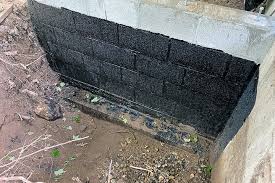
Cost-Effectiveness of Interior Waterproofing
Interior waterproofing, often a homeowner’s first line of defense against water damage, offers several cost-effective advantages. Compared to its exterior counterpart, interior waterproofing typically incurs lower upfront costs.
You’re not only saving on labor expenses but also on materials, as the techniques used for interior work are less extensive and invasive.
This form of waterproofing is also less disruptive to your daily life. Since it’s done inside the home, there’s no need for extensive excavation or landscape alterations, reducing additional costs in restoring your property’s exterior aesthetics.
Additionally, it provides the flexibility for you to waterproof specific problem areas rather than the entire foundation, allowing for a more targeted and cost-effective approach.
In terms of long-term savings, interior waterproofing can help reduce energy costs. Water infiltration can lead to increased humidity levels in your home, causing your heating, ventilation, and air conditioning (HVAC) system to work harder.
Preventing Basement Moisture Issues
While it’s a cost-effective choice, the benefits of interior waterproofing extend beyond just savings. The primary advantage is its ability to prevent basement moisture issues.
A damp basement isn’t just an inconvenience; it’s a potential breeding ground for mold and mildew. These can damage your belongings and your home’s structural integrity. But with interior waterproofing, you can nip this problem in the bud. It works by blocking moisture from seeping through your basement walls and floor.
Interior waterproofing often involves applying sealants to the interior surfaces of your basement. These sealants create a barrier that water can’t penetrate. This method is particularly effective for preventing condensation, which can lead to dampness and mold growth.
Additionally, this kind of waterproofing can manage water that’s already inside your home. Systems like sump pumps and interior drainage channels can direct water away from your basement, keeping it dry and free of moisture-related issues.
Enhancing Home Air Quality
Beyond the immediate benefits of preventing basement moisture issues, interior waterproofing also plays a crucial role in enhancing your home’s air quality.
It’s not always obvious, but the air in your home is continuously interacting with the structures around it, including your basement. When your basement is damp or has moisture issues, it can lead to mold and mildew growth, which can greatly degrade your home’s air quality.
By waterproofing the interior of your basement, you’re taking a proactive step to eliminate these potential health hazards. The waterproofing process seals off potential entry points for water, thereby reducing humidity and dampness. This, in turn, prevents the growth of mold and mildew, ensuring your home’s air remains clean and healthy for you and your family.
Additionally, interior waterproofing can also help reduce the presence of dust mites and other allergens in your home. Dust mites thrive in humid environments and can lead to allergic reactions and respiratory issues.
Cons of Interior Waterproofing
Despite its many benefits, interior waterproofing does have its drawbacks. For instance, it’s not always the definitive solution to your water problems. It can manage seepage, but if the issue originates from outside, it won’t fully solve it. You’d simply be managing symptoms rather than addressing the cause.
Additionally, you’ll need to clear the area for work. If you’ve got a finished basement, you’re looking at a significant disruption. Any wall coverings, insulation, and personal items will need to be removed, potentially leading to costly renovations. If you’re using your basement as living space, you’ll lose access to it during the process.
There’s also the issue of mold. Interior waterproofing can, at times, trap moisture within walls, leading to mold growth. Mold isn’t just unsightly; it can lead to health issues, particularly in individuals with respiratory conditions.
Lastly, the cost can also be a setback. While typically less expensive than exterior waterproofing, the cost of interior waterproofing can still be high, especially if your basement is large or if extensive work needs to be done.
Understanding Exterior Waterproofing
The Science Behind Interior Waterproofing: Key Components
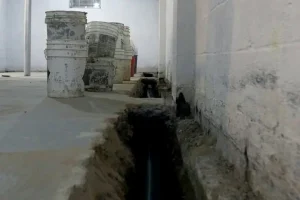
Have you ever wondered how exterior waterproofing works? Fundamentally, it’s a process that involves the application of a waterproof barrier to the outside walls of your home, right at foundation level. It’s designed to prevent water from penetrating the foundation and causing costly damage.
It’s a complex, labor-intensive process, typically involving excavation around your home’s foundation. This allows for thorough inspection and repair of any existing cracks or weaknesses.
Once that’s completed, a waterproof coating or membrane is applied to the foundation. This is usually accompanied by the installation of a drainage system to guide water away from the foundation, further reducing the risk of water damage.
Keep in mind, exterior waterproofing isn’t a do-it-yourself job. It requires professional expertise, specialized equipment, and a good understanding of your home’s structure and the surrounding land.
It’s also not a quick fix. The process can take several days to complete, depending on the size of your home and the condition of your foundation.
In the end, though, exterior waterproofing provides a robust barrier against water intrusion, helping to safeguard your home’s structural integrity from the outside in.
Benefits of Exterior Waterproofing
As you consider exterior waterproofing, it’s critical to understand its key benefits.
From a cost-effectiveness perspective, you’ll find this option offers potential savings in the long run.
Additionally, exterior waterproofing plays a pivotal role in preventing long-term damage to your property, which we’ll explore in more depth.
Exterior Waterproofing Advantages
Unseen, yet essential, exterior waterproofing stands as your home’s primary defense against water intrusion. It’s like a shield, keeping your property safe from the damaging effects of moisture.
One advantage is its thorough protection. Unlike interior systems that manage water after it has penetrated your home, exterior waterproofing blocks water from entering in the first place.
Another significant benefit is the protection of your home’s structural integrity. Water can be incredibly destructive, leading to issues like wood rot, mold growth, and foundation damage.
Exterior waterproofing stops water at the source, preventing these serious problems before they start.
Also, you’ll appreciate the aesthetic advantages. Unlike interior methods that may require intrusive construction inside your home, exterior waterproofing is done outside, preserving your interior design.
It’s a non-disruptive process, causing minimal interference to your daily life.
Lastly, exterior waterproofing is a long-term solution. With proper installation and maintenance, it can protect your home for many years, giving you peace of mind.
By investing in exterior waterproofing, you’re not just safeguarding your home, you’re also preserving its value for the future.
Cost Effectiveness Analysis
Now, let’s consider the cost effectiveness of exterior waterproofing. You might initially think that exterior waterproofing is a costly venture. However, it’s important to understand that it’s a long-term investment that brings substantial benefits.
Yes, it’s true that exterior waterproofing can have a higher upfront cost compared to interior solutions. But when it comes to the value it offers, the price is justified. This method tackles the root of the problem, preventing water from ever reaching your home’s foundation. Hence, it’s a proactive approach, which means you’re less likely to encounter recurring issues and additional repair costs down the road.
Additionally, exterior waterproofing adds value to your property. It’s a selling point that can attract potential buyers if you ever decide to put your house on the market.
Plus, the peace of mind knowing that your home is protected from water damage is priceless.
Long-Term Damage Prevention
The benefits of exterior waterproofing extend far beyond its initial cost, particularly when considering long-term damage prevention. You’re not just safeguarding your walls against today’s rain. You’re investing in the longevity of your property, protecting its foundation from future threats like mold, mildew, structural deformities, and even potential collapse.
Exterior waterproofing acts as a shield, keeping out excess moisture that can lead to costly repairs down the line. It’s akin to a coat of armor for your home, warding off the relentless onslaught of water damage.
But it’s not just about keeping dry. This ‘armor’ also wards off the corrosive effects of water on your home’s structural integrity, preventing the weakening of foundations and preserving the strength of your home for years to come.
You’ll also be preventing the growth of harmful molds and mildews that thrive in damp environments. This not only saves you the expense and hassle of mold remediation, but also protects the health of you and your family.
Investing in exterior waterproofing now means peace of mind later. It’s a clear case of prevention being far better – and cheaper – than cure.
Drawbacks of Exterior Waterproofing
Despite its numerous benefits, exterior waterproofing isn’t without its fair share of drawbacks. For starters, it’s a pretty invasive process. You’ll have to excavate around your home’s foundation, which may disrupt your yard, garden, or any paved areas.
It’s not a quick fix either – the process can take several days, or even weeks, depending on the size of your property.
Another big issue is the potential for utility line damage. You should be aware that exterior waterproofing may require digging around gas, water, and electric lines. The risk of accidentally damaging these services is high and can lead to additional costs and delays.
Furthermore, exterior waterproofing isn’t always a year-round option. The process requires dry conditions, meaning it’s typically not feasible during rainy seasons or in areas with high ground water levels. Hence, timing is critical.
While it’s true that exterior waterproofing can offer long-term protection against water damage, it’s important to take these drawbacks into account before making a decision.
You’ll need to weigh the potential disruptions and risks against the benefits to determine if it’s the right choice for you.
Cost Comparison: Interior vs. Exterior
You’re likely wondering how the costs of interior and exterior waterproofing stack up against each other.
It’s essential to weigh the financial implications involved in both methods.
In the next section, we’ll examine the cost differences and considerations to help you make an informed decision.
Evaluating Cost Differences
When considering waterproofing options for your home, cost is often a significant factor.
It’s important to understand that interior and exterior waterproofing solutions come with different price tags due to varying levels of labor, materials, and complexity.
Interior waterproofing, also known as water control, can be less expensive. It typically involves methods such as installing sump pumps or interior drain tile systems.
These methods don’t stop water from penetrating your home, but instead manage water once it’s entered. You’ll find that the cost of these solutions can be more manageable due to less labor-intensive processes.
On the other hand, exterior waterproofing, often referred to as water exclusion, attempts to prevent water from entering your home altogether.
This can involve exterior excavation, the application of waterproof coatings, or the installation of exterior drain systems. While these methods provide a more thorough solution, they’re often more expensive due to the labor and materials required.
Keep in mind, these cost differences aren’t a definitive guide.
Depending on the specific conditions of your home, the costs can fluctuate. So, it’s vital to get professional advice to guarantee you’re making the right investment.
Financial Implications to Consider
In considering the financial implications of interior versus exterior waterproofing, it’s important to go beyond just initial costs.
You need to factor in long-term expenses, such as maintenance, potential repairs, and the possible impact on your home’s resale value.
Interior waterproofing is generally less expensive upfront, but if not done correctly, it can lead to more frequent repairs and maintenance costs down the line.
On the other hand, exterior waterproofing can be a more sizable investment initially, but it often requires less maintenance and can add value to your home, potentially offsetting the higher initial cost.
Also, it’s worth noting that failing to address any water issues can result in significant damage to your home’s structure, leading to exorbitant repair costs in the future.
So, while it might seem like an unnecessary expense now, failing to waterproof your home could cost you a lot more in the long run.
Considering all these factors, neither interior nor exterior waterproofing is definitively ‘cheaper’.
It really depends on your specific situation.
The best approach is to get a professional assessment before making your decision.
Effectiveness: Interior vs. Exterior
Often, homeowners find themselves torn between choosing interior or exterior waterproofing. It’s important to understand the effectiveness of both before making your decision.
Exterior waterproofing involves excavating around the home to install a waterproof barrier. This is highly effective in keeping water away from the foundation, preventing potential seepage and dampness. It’s an all-encompassing solution that addresses the problem at its source.
However, it’s not always practical due to landscaping or structural issues, and it can be a more disruptive process.
On the other hand, interior waterproofing is less invasive. It’s usually quicker, less costly, and can be done regardless of outside conditions. It involves applying a waterproof coating on the inside walls and installing a drainage system to channel water away.
It’s an efficient solution if you’re already dealing with minor water problems inside your home. However, it doesn’t prevent water from reaching your foundation in the first place.
In essence, exterior waterproofing tends to be more effective regarding prevention, while interior methods are great for addressing existing issues. Your choice between the two should be based on the specific needs and conditions of your home.
Choosing Based on Home Type
Choosing the right waterproofing method for your home isn’t a one-size-fits-all decision. It’s crucial to take into account factors like the type of your home, its location, and the climatic conditions in your area.
If you live in a region prone to heavy rainfall or your home is situated in a low-lying area, exterior waterproofing may be the most effective. This method prevents water from making its way into your home, providing a robust defence against potential water damage.
However, exterior waterproofing is often more expensive and disruptive, as it typically requires excavation around your home’s foundation.
On the other hand, if you own a home with a basement, interior waterproofing might be a better fit. This method manages water that has already entered your home, directing it away from your basement and foundation.
It’s generally less costly and invasive than exterior waterproofing, but it mightn’t be as thorough in preventing moisture seepage.
In the case of older homes, you might need a combination of both methods to provide adequate protection.
It’s always best to consult with a waterproofing professional to tailor a solution that suits your specific home type and needs.
Making the Right Decision
Weighing your options when it comes to waterproofing your home is an important decision that shouldn’t be rushed.
It’s vital to take into account factors such as your home’s age, location, and structural integrity.
Interior waterproofing, while generally more affordable and less disruptive, may not always provide the all-encompassing protection your home needs.
It’s ideal for addressing minor leaks and humidity issues, but may fall short when dealing with severe moisture intrusion.
On the other hand, exterior waterproofing offers extensive protection by preventing water from ever reaching your home’s structure.
However, it’s typically more expensive and requires significant excavation work.
It’s most effective when implemented during construction, though it can be retrofitted with some effort.
So, how do you make the right decision?
Start by thoroughly evaluating your home’s needs and your budget.
Consult with a professional waterproofing company that can provide an in-depth evaluation of your situation.
They’ll guide you towards the most suitable solution, ensuring your home stays dry, safe, and comfortable.
Conclusion
Choosing between interior and exterior waterproofing is like picking out the right umbrella for a stormy day. Consider your home’s specific needs, the effectiveness, and costs. If you’re dealing with persistent moisture issues, interior waterproofing may be your quick fix. But for long-term, robust protection, especially in high rainfall areas, exterior waterproofing shines. Always consult a professional to help steer you toward the right choice for your home’s safety and integrity.

Giulio and Jennifer Bevilacqua are the dedicated and passionate owners of Highlander Waterproofing, a trusted name in basement waterproofing and foundation repair. With a commitment to protecting homes and ensuring the safety and well-being of families, Giulio and Jennifer have built Highlander Waterproofing into a premier service provider in the region. Their hands-on approach, combined with years of industry expertise, has helped them earn a stellar reputation for delivering reliable and effective waterproofing solutions.
The Bevilacquas pride themselves on offering personalized service, using proven techniques, and employing a team of highly trained professionals who share their dedication to quality workmanship. As a family-owned and operated business, Giulio and Jennifer emphasize integrity, transparency, and a genuine concern for their clients’ needs. They believe in building lasting relationships with their customers by ensuring each project is completed to the highest standards. Highlander Waterproofing continues to thrive under their leadership, offering innovative solutions and exceptional customer service that homeowners can depend on.