


Have you ever wondered how much it costs to waterproof a basement? It’s no surprise that costs can vary greatly depending on whether you choose to tackle the task yourself or hire a professional. With DIY methods, you’re mainly covering material costs, but don’t underestimate the time and effort it takes. On the other hand, professional solutions can run into thousands, depending on the work’s complexity. But what factors could tip the scale in favor of one over the other? Let’s explore this further.
Understanding Basement Waterproofing
 Diving into the world of basement waterproofing can initially seem overwhelming. But don’t fret, you’re not alone in this. It’s an essential step in maintaining the integrity of your home, and understanding it can save you both time and money.
There are primarily two types of waterproofing methods: Interior and exterior.
Interior waterproofing, often referred to as ‘water control’, doesn’t stop the water from entering the basement. Instead, it manages the water once it’s inside. This method often involves the use of sealants, and while it’s less expensive, it may not be the best long-term solution.
Exterior waterproofing, on the other hand, is designed to stop water from getting into the basement in the first place. It’s a more thorough method that requires excavation around the home, application of sealants, and installation of drainage systems. Yes, it’s more expensive, but it’s also the most effective solution in preventing water damage.
In the end, choosing the right method for your basement will depend on various factors such as the severity of the water issue and your budget.
Let’s explore further into these methods to help you make an informed decision.
The Importance of Waterproofing
You’ve already gained a basic understanding of basement waterproofing.
Now let’s consider the importance of this process.
It’s not just about choosing the right method, but understanding the benefits of waterproofing your basement, including potential cost savings, improved home value, and better overall home health.
Understanding Basement Waterproofing
Almost every homeowner appreciates the importance of a dry, well-maintained basement. You probably do too. But, do you fully understand what basement waterproofing entails? Let’s explore the specifics.
Basement waterproofing is a preventative measure that’s aimed at stopping water from entering the basement of your house. It’s a process that involves a series of steps, each vital to the success of the waterproofing project.
It begins with the identification of the source of the water seepage. Once you’ve located the point of entry, the next step is to select the appropriate waterproofing method.
There are several waterproofing techniques available, including interior sealants, interior water drainage, exterior waterproofing, and foundation crack injections.
The choice of method depends largely on the severity of the seepage, the type of foundation, and the external environment.
Benefits of Waterproofing
Countless homeowners reap considerable benefits from waterproofing their basements.
It’s not just a preventative measure against potential water damage. It’s an investment in your home, improving its overall value, safety, and functionality.
When you waterproof your basement, you’re safeguarding your house against the destructive force of water. This means less money spent on repairs in the long run.
You’re also protecting your home from potential health hazards. Damp basements can breed mold and mildew, which can cause respiratory problems and allergies. By waterproofing, you’re ensuring a healthier environment for you and your family.
Waterproofing also increases your home’s value. A dry, usable basement can considerably boost your home’s market price.
It expands your living space, providing additional room for storage or even an extra bedroom.
Lastly, a waterproofed basement offers peace of mind. You’ll rest easier knowing that your home is protected from sudden floods or slow, gradual water damage.
In short, waterproofing your basement isn’t just a cost. It’s an investment in the safety, health, and value of your home.
It’s a step towards a more secure and comfortable living environment.
Choosing the Right Method
When it comes to basement waterproofing, choosing the right method is critical. Your decision should be based on the specific needs of your home, including its age, construction, and overall condition.
Don’t rush into a decision, as the wrong choice could result in ineffective treatment and unnecessary expenses.
There are several methods of waterproofing available.
Interior waterproofing, often the least expensive, involves applying sealants to the interior surfaces of your basement. This method, however, can only manage minor dampness and not serious leaks.
Exterior waterproofing, on the other hand, is more extensive and costly. It requires excavating around your house to install a waterproof barrier, but it’s the most effective at keeping water out.
Another option is the installation of a sump pump and drainage system. This method redirects water away from your home, preventing it from seeping into your basement.
Each method has its pros and cons, so it’s crucial to evaluate your home’s unique needs.
Consult with a professional to help you make an informed decision.
DIY Waterproofing: An Overview
Starting a DIY basement waterproofing project can be a formidable task, yet it offers the potential for significant savings. It’s important to know that this type of project involves a good deal of preparation and understanding of the process.
Firstly, you’ll need to identify the source of the water issue. This could be from rainwater seeping in, condensation, or even groundwater rising. Once you’ve identified the problem, you’ll need to choose an appropriate solution. Common DIY methods include interior sealants, interior water drainage, and exterior waterproofing.
Interior sealants are a quick fix for minor dampness but don’t address the root cause of the problem.
Interior water drainage involves installing a system to collect water that gets into your basement and divert it away. It’s a more thorough solution but can be labor-intensive.
Exterior waterproofing, the most effective method, involves excavating around your house to install a waterproof barrier. This is typically a job for professionals due to its complexity.
Cost Breakdown: DIY Solutions
Let’s now consider the cost breakdown of DIY solutions for basement waterproofing.
You’ll need to account for not only the cost of materials but also the time investment involved.
It’s also essential to weigh the potential risks associated with tackling this project on your own.
DIY Waterproofing Material Costs
Often, a majority of homeowners opt for DIY waterproofing solutions due to their cost-effectiveness and flexibility. However, you’ll need to take into account the costs of materials involved. While it’s generally cheaper than hiring a professional, the cost can still quickly add up if you’re not careful.
The most common DIY waterproofing materials include concrete sealers, silicate-based concrete sealers, waterproofing paint, and plastic sheets and panels.
Concrete sealers are usually the least expensive option, ranging from $20 to $30 per gallon. Silicate-based sealers are slightly more expensive, costing around $40 to $50 per gallon. Waterproofing paint is a popular choice, with prices typically ranging between $30 and $40 per gallon.
Plastic sheets and panels, typically used for interior waterproofing, are usually priced per square foot. Costs can range from as low as $0.50 to as high as $2.00 per square foot, depending on the quality and thickness of the material.
Time Investment for DIY
While taking into account the costs of materials for DIY waterproofing solutions, it’s also essential to contemplate the time investment involved.
Initiating a DIY project isn’t just about the monetary expenses; you also have to factor in the hours you’ll be dedicating to the task.
To give you a clearer picture, a typical basement waterproofing project can take anywhere from a few days to a couple of weeks, depending on the size of your basement and the extent of the water damage.
This includes time for the initial prep work, the actual waterproofing process, and any final touches you might need to add.
Moreover, if it’s your first time undertaking a project of this magnitude, you’ll likely need to spend additional time learning about the different waterproofing methods, deciding which one best suits your basement’s needs, and understanding how to properly apply it.
Potential Risks of DIY
Diving headfirst into a DIY basement waterproofing project can certainly save you some money upfront, but it’s important to contemplate the potential risks involved.
Without professional expertise, the likelihood of errors can increase considerably. Missteps in the process can lead to ineffective waterproofing, meaning your basement could still be prone to water damage, mold growth and structural problems.
One common mistake is the incorrect application of sealants. You may not apply enough or apply it unevenly, leading to inadequate protection.
Additionally, choosing the wrong type of sealant for your specific basement conditions is another common pitfall. Remember, not every product works the same way under different circumstances.
Another risk is overlooking hidden sources of moisture. Professionals are trained to identify these potential problems, but you might miss them. This could lead to persistent moisture issues even after your DIY project.
Lastly, the physical labor involved can present safety risks. The materials and tools used in basement waterproofing can be hazardous if not handled correctly.
Without proper safety training, you could suffer injuries during the process.
Pros and Cons of DIY Waterproofing
Initiating a DIY waterproofing project has its unique set of advantages and disadvantages.
On the plus side, you’re likely to save money. The materials needed for this task, like sealant and insulation, are relatively inexpensive and widely available. If you’re handy and have the right tools, you could cut the cost dramatically compared to hiring professionals. Besides, the satisfaction of completing a home improvement task on your own is priceless.
However, you shouldn’t underestimate the challenges. Waterproofing a basement is a time-consuming and physically demanding job.
You’ll need to prepare the space, apply the sealant correctly, and monitor for leaks. Missteps could lead to inadequate waterproofing, causing more serious and costly issues down the line.
Additionally, without professional experience, it’s easy to miss early signs of potential problems such as cracks or mold.
Professional Waterproofing Services Explained
Often, hiring professional waterproofing services is the most reliable and efficient method to guarantee your basement stays dry. This option provides you with the assurance of a job well done, as these professionals are trained and experienced in handling all sorts of dampness and leakage issues.
They’ll assess your basement thoroughly, identify the root of the problem, and provide the most effective solution.
Professional waterproofing services can tackle a range of issues, from minor seepages to major foundation cracks. They’ll use advanced techniques and high-quality materials to make certain your basement is completely waterproof.
These may include interior sealants, exterior waterproofing, drainages, and sump pump installations. They’re equipped to deal with both internal and external water pressures to prevent any future moisture problems.
What’s more, these professionals offer warranties on their work, giving you peace of mind. You’ll know that if any issues arise post-service, you’re covered.
They’ll also provide valuable maintenance tips to help you keep your basement dry in the long run. While the upfront cost of hiring professional services might seem intimidating, it’s often a worthwhile investment when considering the longevity and quality of their work.
Cost Breakdown: Professional Solutions
Let’s now focus on the cost breakdown of professional waterproofing solutions.
You’ll find it useful to understand the various factors that contribute to the overall cost and how to evaluate professional services.
This knowledge will enable you to make an informed decision about the best solution for your basement waterproofing needs.
Professional Waterproofing Costs
When considering professional basement waterproofing, the overall cost can vary greatly depending on the extent of the problem and the solutions implemented.
You’ll find that a minor issue, such as a small leak or minor seepage, might only require a simple repair or sealant application. This could cost you between $500 to $1,000.
However, more extensive problems like major leaks or significant water damage will necessitate thorough solutions.
Professional waterproofing for serious water issues may involve installing an interior water drainage system, a sump pump, or an exterior waterproofing membrane.
These are more labor-intensive and require more materials, which will raise the price. You can expect to pay between $2,000 to $6,000 for an interior drainage system, while a sump pump installation could set you back an additional $1,000 to $2,000.
An exterior waterproofing membrane may cost between $5,000 to $15,000.
Evaluating Professional Services
Maneuvering the cost breakdown of professional waterproofing solutions can seem intimidating at first glance.
However, understanding the components of these costs can help you make informed decisions about your basement.
Firstly, you’re paying for expertise. Professionals have experience identifying the source of water intrusion and determining the most effective solution.
They’re trained to spot potential issues that you might overlook. This level of knowledge and experience typically accounts for a significant portion of the overall cost.
Secondly, the materials used also contribute to the price. High-quality waterproofing products, such as sealants and drainage systems, aren’t cheap.
However, they offer superior protection and longevity, making them a worthwhile investment.
Lastly, labor costs factor into the equation. The complexity of the job, the size of your basement, and the time it takes to complete the project will all influence the final price.
Pros and Cons of Professional Services
Choosing to enlist professional services for basement waterproofing certainly has its own set of advantages and disadvantages.
On the plus side, professionals bring years of experience and specialized knowledge to the table. They’re well-versed in the latest waterproofing techniques and technologies, which can lead to a more effective, long-lasting solution. They’re also able to spot potential issues that you might overlook, reducing the risk of future water damage. Additionally, many professional services offer warranties on their work, providing you with extra peace of mind.
However, there’s no denying the cost factor. Professional waterproofing services can be expensive, and it’s important to get multiple quotes to guarantee you’re getting a fair price.
You also need to factor in the time it takes for the job to be done, which can be inconvenient if you use your basement regularly. In some cases, there may also be unforeseen issues that can add to the cost and timeline.
Making the Right Choice: DIY vs. Professional
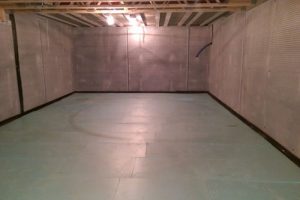 Deciding between a DIY approach and professional basement waterproofing services is a crucial decision that demands careful consideration.
There’s no one-size-fits-all answer; your choice should be based on your specific situation.
If you’re confident in your handyman skills and understand the complexities of waterproofing, a DIY approach might be right for you. It can save you money and gives you control over the project’s timeline.
But remember, it’s not just about applying a waterproofing paint or sealant. You’ll need to address any structural issues, manage drainage solutions, and factor in long-term maintenance. If you’re not fully equipped or confident, you might end up with a bigger problem than you started with.
On the other hand, hiring professionals offers peace of mind. They’ve the experience, skills, and tools to diagnose and treat the root cause of your basement’s moisture problems.
While it may cost more upfront, professional solutions often come with warranties, ensuring the job is done right and protecting you from future issues.
In the end, it’s about weighing up the risks, costs, and potential outcomes.
Consider your abilities, the severity of your basement’s issues, and your budget before making your decision.
Additional Factors Influencing Costs
While you’re weighing the pros and cons of DIY versus professional basement waterproofing, it’s important to also consider the various factors that can influence the overall cost.
The size and complexity of your basement, for example, will directly impact the cost of both DIY and professional solutions. If your basement is large or has a complex layout with multiple rooms or tricky corners, you’ll need more materials and potentially more specialized techniques to guarantee a thorough job. This can considerably bump up the expense of a DIY project.
Similarly, professional services will likely charge more for larger or more complicated jobs.
Another factor that can influence cost is the severity of the water problem. If you’re dealing with minor seepage, a simple sealant may suffice. However, if your basement suffers from serious flooding, you’ll likely need a more robust solution, such as the installation of a drainage system or sump pump, both of which can be costly.
The condition of your basement’s walls and floor can also affect the cost. Cracked or crumbling concrete will need to be repaired before waterproofing can begin, adding to the overall expense.
Additionally, if your basement has been finished, the cost may increase due to the need to remove and replace drywall or other finishing materials.
Final Verdict: DIY vs. Professional Basement WaterproofingConclusion
In the end, it’s not just about dollars and cents. Evaluating basement waterproofing costs boils down to a balancing act between your wallet, time, and peace of mind. DIY options may save you a pretty penny, but the sweat equity can stack up. On the other hand, professional services might cost more upfront, but the reassurance of a job well done is priceless. Remember, the right choice is always the one that best suits your unique situation.

Giulio and Jennifer Bevilacqua are the dedicated and passionate owners of Highlander Waterproofing, a trusted name in basement waterproofing and foundation repair. With a commitment to protecting homes and ensuring the safety and well-being of families, Giulio and Jennifer have built Highlander Waterproofing into a premier service provider in the region. Their hands-on approach, combined with years of industry expertise, has helped them earn a stellar reputation for delivering reliable and effective waterproofing solutions.
The Bevilacquas pride themselves on offering personalized service, using proven techniques, and employing a team of highly trained professionals who share their dedication to quality workmanship. As a family-owned and operated business, Giulio and Jennifer emphasize integrity, transparency, and a genuine concern for their clients’ needs. They believe in building lasting relationships with their customers by ensuring each project is completed to the highest standards. Highlander Waterproofing continues to thrive under their leadership, offering innovative solutions and exceptional customer service that homeowners can depend on.