


You might be surprised to learn that the slope of your property can make all the difference when it comes to basement waterproofing. Have you ever considered how poor grading could be directing water towards your home’s foundation? This not only increases the likelihood of water seepage and mold growth but can also put unnecessary pressure on your waterproofing systems. Think about the potential structural damage and the hefty repair costs that could follow. Intrigued how to prevent such issues? Let’s discuss the importance of proper grading further.
Understanding the Basics of Grading
Your home’s grading plays an important role in its overall waterproofing system. Grading is the process of leveling or sloping the ground around your home to direct rainwater and melting snow away from the house’s foundation. It’s a vital element that directly impacts the effectiveness of your home’s waterproofing.
When your home’s grading is poor or inadequate, water tends to pool around the base of your home, seeping into your basement over time. This not only leads to issues like dampness and mold, but it can also cause more severe problems like structural damage.
Proper grading, on the other hand, guarantees that water is directed away from your home, preventing it from saturating the soil around your foundation. This keeps your basement drier, helping to protect your home’s structural integrity and enhancing your overall waterproofing system.
To determine if your home’s grading is adequate, it’s imperative to conduct a thorough assessment. This involves examining the slope of your property, the direction of water flow, and the distance water travels from your home’s foundation.
Understanding these elements is key to guaranteeing your basement’s waterproofing system remains effective.
The Relationship Between Grading and Waterproofing
In the domain of home maintenance, grading and waterproofing are two sides of the same coin. You can’t have one without the other. The grade or slope of your land plays a significant role in how water behaves around your home. It influences the effectiveness of your basement’s waterproofing system.
- Directing water away: Proper grading will naturally direct water away from your home. This reduces the burden on your waterproofing system, extending its lifespan.
- Preventing puddles: When your yard is correctly graded, it’ll prevent puddles from forming near your foundation, which can seep into your basement over time, compromising your waterproofing.
- Reducing hydrostatic pressure: Good grading reduces the amount of water that soaks into the ground near your home, thereby reducing the hydrostatic pressure on your basement walls and floor.
- Preventing erosion: Over time, a poorly graded yard may erode, compromising the integrity of your foundation and waterproofing.
Consequences of Poor Grading on Basements
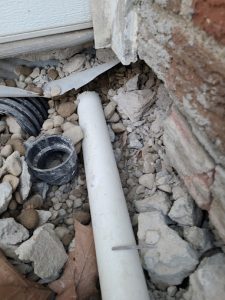 While proper grading can bolster your home’s waterproofing system, a poorly graded yard can have the opposite effect. You’ll find that water doesn’t drain away as it should, leading to a host of problems.
Firstly, you’re likely to notice water seepage in your basement. This can cause unsightly water stains and, over time, lead to structural damage.
Next, you might see signs of mold growth. Mold thrives in damp environments, so a poorly graded yard that leads to a wet basement is an ideal breeding ground. Besides causing potential health problems, such as allergies and respiratory issues, it can also damage your belongings stored in the basement.
Furthermore, the excess moisture in your basement can lead to higher humidity levels in your home. This can make your living conditions uncomfortable and potentially increase your energy bills as your air conditioning system works harder to combat the dampness.
In the long run, the structural damage caused by water seepage can weaken your home’s foundation, leading to costly repairs.
Don’t underestimate the consequences of poor grading on your basement – it’s a problem that can escalate quickly if not addressed promptly.
Solutions for Rectifying Poor Grading Issues
To combat the issues arising from poor yard grading, a thorough approach is essential.
You’ve got to understand the problem before you can fix it, so let’s explore four specific strategies you can employ to rectify poor grading issues.
- Regrading: This involves altering the slope of your yard to direct water away from your home’s foundation.
It’s a heavy-duty task, but it’s often the most effective solution.
- Installing a French drain: This is a slightly less invasive method.
A French drain is a trench filled with gravel containing a perforated pipe that redirects surface and groundwater away from your home.
- Swale construction: Swales are shallow, wide ditches that serve to direct water flow around your property.
They can be an excellent solution if your property is particularly prone to flooding.
- Rain gardens: If you’re looking for a more aesthetically pleasing solution, consider a rain garden.
They’re depressions planted with appropriate vegetation that absorb rainwater runoff.
Preventive Measures for Effective Grading
Having explored various solutions for rectifying poor grading issues, it’s equally important to contemplate some preventive measures to maintain effective grading.
Firstly, guarantee regular inspections of your landscaping, particularly after significant weather events. Examine your property for signs of soil erosion or pooling water. These signs can indicate poor grading and, if ignored, could lead to costly repairs.
Secondly, maintain your gutters and downspouts. They’re essential for directing water away from your foundation. Make sure they’re clean, in good repair, and that downspouts extend at least six feet from your home.
Thirdly, consider installing a sump pump if you don’t have one. It’s a valuable tool for managing water buildup and can prevent basement flooding.
Lastly, don’t forget about vegetation. Plant roots can help stabilize soil and prevent erosion. However, remember to keep any large plants or trees a safe distance from your home to prevent root damage to your foundation.
To summarize, poor grading can severely compromise your basement waterproofing. It directs water towards foundations, leading to mold growth, structural damage, and hefty repair costs. It’s not just about installing waterproofing systems, but ensuring your ground slopes correctly. By rectifying grading issues and adopting preventive measures, you can effectively safeguard your basement from water-related issues. So, don’t underestimate the importance of proper grading; it’s critical to your home’s overall health.# How Poor Grading Impacts Basement Waterproofing
You might be surprised to learn that the slope of your property can make all the difference when it comes to basement waterproofing. Have you ever considered how poor grading could be directing water towards your home’s foundation? This not only increases the likelihood of water seepage and mold growth but can also put unnecessary pressure on your waterproofing systems. Think about the potential structural damage and the hefty repair costs that could follow. Intrigued how to prevent such issues? Let’s discuss the importance of proper grading further.
Understanding the Basics of Grading
Your home’s grading plays an important role in its overall waterproofing system. Grading is the process of leveling or sloping the ground around your home to direct rainwater and melting snow away from the house’s foundation. It’s a vital element that directly impacts the effectiveness of your home’s waterproofing.
When your home’s grading is poor or inadequate, water tends to pool around the base of your home, seeping into your basement over time. This not only leads to issues like dampness and mold, but it can also cause more severe problems like structural damage.
Proper grading, on the other hand, guarantees that water is directed away from your home, preventing it from saturating the soil around your foundation. This keeps your basement drier, helping to protect your home’s structural integrity and enhancing your overall waterproofing system.
To determine if your home’s grading is adequate, it’s imperative to conduct a thorough assessment. This involves examining the slope of your property, the direction of water flow, and the distance water travels from your home’s foundation.
Understanding these elements is key to guaranteeing your basement’s waterproofing system remains effective.
The Relationship Between Grading and Waterproofing
In the domain of home maintenance, grading and waterproofing are two sides of the same coin. You can’t have one without the other. The grade or slope of your land plays a significant role in how water behaves around your home. It influences the effectiveness of your basement’s waterproofing system.
- Directing water away: Proper grading will naturally direct water away from your home. This reduces the burden on your waterproofing system, extending its lifespan.
- Preventing puddles: When your yard is correctly graded, it’ll prevent puddles from forming near your foundation, which can seep into your basement over time, compromising your waterproofing.
- Reducing hydrostatic pressure: Good grading reduces the amount of water that soaks into the ground near your home, thereby reducing the hydrostatic pressure on your basement walls and floor.
- Preventing erosion: Over time, a poorly graded yard may erode, compromising the integrity of your foundation and waterproofing.
Consequences of Poor Grading on Basements
While proper grading can bolster your home’s waterproofing system, a poorly graded yard can have the opposite effect. You’ll find that water doesn’t drain away as it should, leading to a host of problems.
Firstly, you’re likely to notice water seepage in your basement. This can cause unsightly water stains and, over time, lead to structural damage.
Next, you might see signs of mold growth. Mold thrives in damp environments, so a poorly graded yard that leads to a wet basement is an ideal breeding ground. Besides causing potential health problems, such as allergies and respiratory issues, it can also damage your belongings stored in the basement.
Furthermore, the excess moisture in your basement can lead to higher humidity levels in your home. This can make your living conditions uncomfortable and potentially increase your energy bills as your air conditioning system works harder to combat the dampness.
In the long run, the structural damage caused by water seepage can weaken your home’s foundation, leading to costly repairs.
Don’t underestimate the consequences of poor grading on your basement – it’s a problem that can escalate quickly if not addressed promptly.
Solutions for Rectifying Poor Grading Issues
To combat the issues arising from poor yard grading, a thorough approach is essential.
 You’ve got to understand the problem before you can fix it, so let’s explore four specific strategies you can employ to rectify poor grading issues.
- Regrading: This involves altering the slope of your yard to direct water away from your home’s foundation.
It’s a heavy-duty task, but it’s often the most effective solution.
- Installing a French drain: This is a slightly less invasive method.
A French drain is a trench filled with gravel containing a perforated pipe that redirects surface and groundwater away from your home.
- Swale construction: Swales are shallow, wide ditches that serve to direct water flow around your property.
They can be an excellent solution if your property is particularly prone to flooding.
- Rain gardens: If you’re looking for a more aesthetically pleasing solution, consider a rain garden.
They’re depressions planted with appropriate vegetation that absorb rainwater runoff.
Preventive Measures for Effective Grading
Having explored various solutions for rectifying poor grading issues, it’s equally important to contemplate some preventive measures to maintain effective grading.
Firstly, guarantee regular inspections of your landscaping, particularly after significant weather events. Examine your property for signs of soil erosion or pooling water. These signs can indicate poor grading and, if ignored, could lead to costly repairs.
Secondly, maintain your gutters and downspouts. They’re essential for directing water away from your foundation. Make sure they’re clean, in good repair, and that downspouts extend at least six feet from your home.
Thirdly, consider installing a sump pump if you don’t have one. It’s a valuable tool for managing water buildup and can prevent basement flooding.
Lastly, don’t forget about vegetation. Plant roots can help stabilize soil and prevent erosion. However, remember to keep any large plants or trees a safe distance from your home to prevent root damage to your foundation.
To summarize, poor grading can severely compromise your basement waterproofing. It directs water towards foundations, leading to mold growth, structural damage, and hefty repair costs. It’s not just about installing waterproofing systems, but ensuring your ground slopes correctly. By rectifying grading issues and adopting preventive measures, you can effectively safeguard your basement from water-related issues. So, don’t underestimate the importance of proper grading; it’s critical to your home’s overall health.

Giulio and Jennifer Bevilacqua are the dedicated and passionate owners of Highlander Waterproofing, a trusted name in basement waterproofing and foundation repair. With a commitment to protecting homes and ensuring the safety and well-being of families, Giulio and Jennifer have built Highlander Waterproofing into a premier service provider in the region. Their hands-on approach, combined with years of industry expertise, has helped them earn a stellar reputation for delivering reliable and effective waterproofing solutions.
The Bevilacquas pride themselves on offering personalized service, using proven techniques, and employing a team of highly trained professionals who share their dedication to quality workmanship. As a family-owned and operated business, Giulio and Jennifer emphasize integrity, transparency, and a genuine concern for their clients’ needs. They believe in building lasting relationships with their customers by ensuring each project is completed to the highest standards. Highlander Waterproofing continues to thrive under their leadership, offering innovative solutions and exceptional customer service that homeowners can depend on.