


Have you ever considered how your unique basement layout could benefit from a customized waterproofing plan? With each basement presenting its own set of challenges, a one-size-fits-all approach just won’t cut it. By tailoring your waterproofing strategy, you’re not only addressing the specific vulnerabilities of your property but also achieving a more robust and cost-effective solution. Intrigued? There’s much more to uncover about this smart, proactive approach to basement waterproofing.
Understanding Unique Basement Layouts
Every basement blueprint comes with its own set of challenges and benefits.
It’s vital for you to understand the uniqueness of your basement layout to effectively design a custom waterproofing plan.
You need to evaluate the layout’s intricacies. Are there multiple rooms or is it an open space? Where are the windows, doors, and utility systems positioned? Is the basement used for storage, living space, or perhaps both? Every factor greatly influences the waterproofing strategy.
The structure’s material is another major consideration. Concrete, stone, block, or a combination of these can affect the waterproofing method. For example, concrete needs different treatments and products compared to stone.
The location of your property also plays a pivotal role. Is it on a slope or flat ground? Are there any bodies of water nearby? Groundwater levels can drastically impact the amount of water pressure exerted on your basement walls.
In essence, understanding your basement layout isn’t about aesthetics alone. It requires an in-depth analysis of structural components and geographical factors.
This knowledge is your first step towards effective custom waterproofing. It’s a detailed, intricate process, but it’s worth every effort.
Importance of Customized Waterproofing
With the distinct characteristics of your basement layout in mind, you start to see why a one-size-fits-all approach to waterproofing just won’t cut it. Your unique layout may have specific areas that are more prone to water damage than others, or perhaps the construction materials used require a certain type of sealant.
By customizing your waterproofing plan, you can target these specific areas and materials, ensuring maximum protection against water damage.
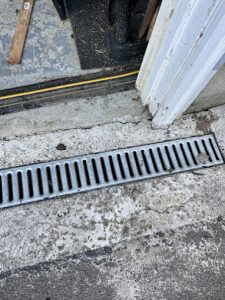
Customized waterproofing not only provides a more effective solution, it can also save you money in the long run. By focusing on the areas that need it most, you’re not wasting resources on unnecessary treatments.
And because the waterproofing is tailored specifically to your basement’s needs, it’s likely to be more durable and long-lasting, meaning fewer repairs and replacements down the line.
Identifying Common Basement Water Issues
Before you can craft an effective waterproofing plan, you need to understand the water issues that are specific to your basement.
Start by learning how to recognize signs of water damage and then move onto identifying the unique sources of moisture in your basement.
These two elements are foundational to creating a successful and custom waterproofing strategy.
Recognizing Water Damage Signs
Over time, your basement may start to show signs of water damage, an issue that can jeopardize the integrity of your home. Recognizing these signs early can save you from expensive repairs and potential structural problems down the line.
Take note of unusual dampness or a musty smell. These could point to an underlying water issue. You might also notice some discolored patches on walls, floors, or ceilings. These are often brown or yellowish and indicate that water has seeped into the materials.
If your basement has carpeting, it might feel damp or even squishy underfoot. This is a clear sign water is present where it shouldn’t be. The same goes for a spongy feeling when you walk on tiled or concrete floors.
Peeling paint or wallpaper on basement walls is also a common water damage sign. If your paint is bubbling, cracking, or peeling, it’s likely there’s moisture behind it.
Similarly, if the wallpaper is loose or peeling, it’s a sure sign of water damage.
Understanding Basement Moisture Sources
Your home’s basement is a common hotspot for moisture-related issues, and understanding the sources of this moisture is an essential step towards effective waterproofing. Several common culprits can lead to dampness or flooding, and it’s your job to identify and address them.
Condensation is a common issue, occurring when warm air meets cold surfaces. It’s often seen on pipes, walls, or floors, and can lead to mold growth if not taken care of.
Groundwater seepage is another prevalent problem, particularly in areas with high water tables. If your basement isn’t properly sealed, water can seep through cracks in the walls or floors, causing dampness and potential structural damage.
Rainwater can also infiltrate your basement, especially if your home’s gutters and downspouts aren’t directing water away from the foundation.
Finally, internal sources like leaky pipes or appliances can add to the moisture level.
Understanding these sources is the first step to effectively waterproof your basement. Armed with this knowledge, you can develop a custom plan that addresses your unique situation, ensuring your basement remains dry, safe, and comfortable.
Designing a Tailored Waterproofing Plan
Now that you’re familiar with common basement water issues, it’s time to craft your unique waterproofing plan.
First, you’ll need to meticulously assess your basement conditions to determine the best approach.
Then, selecting the right waterproofing materials is essential, followed by the strategic implementation of your custom plan.
Assessing Basement Conditions
Before diving into the specifics of waterproofing, it’s crucial to thoroughly assess the current state of your basement. This important step will help identify potential trouble spots and areas in need of immediate attention.
To begin, take a good look at the walls and floors. Do you see any visible signs of dampness or water damage? These could be indicators of moisture seeping in from the outside.
Next, pay attention to the smell. A musty odor could suggest the presence of mold, which thrives in damp environments. If you spot any, it’s a clear sign that your basement needs waterproofing.
Lastly, don’t forget to check the exterior. Poor grading or landscaping that directs water towards your home can lead to a wet basement.
Here’s a simple checklist to help you assess the current state of your basement:
- Check for visible signs of dampness or water damage on walls and floors
- Pay attention to the smell. A musty odor may indicate mold growth
- Examine the exterior of your house for grading or landscaping issues
Choosing Waterproofing Materials
Selecting the right waterproofing materials plays a pivotal role in the design of a tailored waterproofing plan for your basement. Your choice will greatly influence the plan’s effectiveness, durability, and cost. So, you can’t afford to make a rushed decision.
First, you need to evaluate the type of waterproofing method suitable for your basement layout. There are three common types: interior sealants, interior water drainage, and exterior waterproofing. Each calls for specific materials. For instance, you’ll need a high-quality sealant for interior sealants, a sump pump for interior water drainage, and a waterproofing membrane for exterior waterproofing.
Second, the quality of materials matters greatly. Don’t compromise on quality for cost. High-quality materials might be pricier but will save you from frequent repairs and replacements. Look for materials that are durable and resistant to mold, mildew, and rust.
Third, reflect on the environmental impact of the materials. Opt for eco-friendly options that don’t release harmful chemicals into the environment.
Lastly, think about the aesthetic appeal of the materials. They should blend well with your basement’s design and not stick out like a sore thumb. This way, you’ll guarantee a waterproofed basement that’s functional, long-lasting, and beautiful.
Implementing The Plan
With a well-thought-out selection of materials in hand, it’s time to roll up your sleeves and plunge into the design of your tailored waterproofing plan. This stage requires a meticulous eye, as you’ll be aligning your waterproofing materials with the unique layout of your basement.
Remember, there’s no one-size-fits-all solution here. Your waterproofing plan must be as unique as your basement.
The first step is to sketch out your basement layout, marking areas where water intrusion is most likely. This includes walls adjoining the exterior, floors, and around windows, if any. This will form the basis of your waterproofing plan.
Next, allocate your chosen materials strategically across your layout. Use your waterproofing sealant or paint on walls and floors. Install your sump pump in the potentially wettest area, and arrange your drainage system to divert water towards it.
Finally, here’s a quick checklist to help you implement your plan:
- Begin by waterproofing your walls, then move to the floor.
- Install your sump pump and connect your drainage system.
- Regularly inspect and maintain your system for peak performance.
With this plan, you’re well on your way to a drier, more habitable basement!
Implementing Your Custom Waterproofing Solution
Diving headfirst into your custom waterproofing solution, it’s vital to employ a strategic and methodical approach. This isn’t a task you can rush. It requires careful planning and execution. You’ve got a unique basement layout, so it’s important to adapt the plan to its specific needs.
First off, thoroughly inspect your basement’s structure. Look for cracks, dampness, and signs of mold or mildew. These are areas you’ll want to focus on during the waterproofing process.
Next, clear and clean the space. Move items away from the walls and floors, and clean the surface to guarantee a smooth application of waterproofing materials.
Now, it’s time to apply your custom waterproofing solution. Start at the highest point of dampness and work your way down, making sure every crack and crevice is properly sealed. Don’t skimp on the waterproofing materials. Remember, quality over quantity is the key here.
Once you’ve finished, conduct a thorough inspection to confirm every area has been covered. This is a significant step in the process. Any missed spots could lead to future water damage.
Maintenance Tips for Basement Waterproofing
Once your basement is properly waterproofed, keeping it in top shape becomes your next priority.
Don’t neglect your responsibilities here; maintaining your waterproofing system is vital to ensuring its longevity and effectiveness.
And it’s not as intimidating as it may sound.
Here are some straightforward steps you can take:
- Regularly check for cracks: This is essential, as even the smallest of cracks can lead to water seepage. If you notice any, consult with a professional immediately.
- Clean the gutters: Prevent water buildup around your home’s foundation by ensuring gutters and downspouts are clear and functional. This will keep water flowing away from your home.
- Mind your landscaping: Try to slope your yard away from your home to help direct water away from your foundation.
Case Study: Successful Waterproofing Projects
Now that you’re well-versed in maintaining your waterproofing system, let’s shift our focus to real-world applications.
Let’s explore a case study featuring a mid-century home with a unique basement layout. This home had a split-level basement, which presented its own set of challenges.
The homeowners had experienced persistent water issues. To solve this, a custom waterproofing plan was developed. It began with a thorough assessment of the basement’s layout and the property’s exterior drainage.
The team discovered poor soil grading was directing water towards the home, exacerbating the issue.
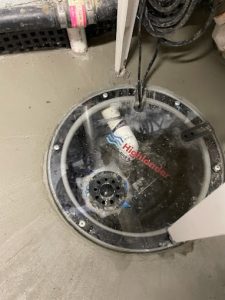
The solution involved exterior excavation to correct the landscape slope. Then, a high-quality waterproof membrane was installed around the foundation. Inside, weeping tile installation and a new sump pump system guaranteed proper drainage.
The key was tailoring the waterproofing approach to the unique layout and specific challenges of this basement.
The results were exemplary. The homeowners now enjoy a dry basement, free from worries about water intrusion.
This case study exemplifies how a well-planned, custom approach to basement waterproofing can effectively resolve even the most stubborn water issues. It’s all about understanding the problem, creating a tailored solution, and executing it flawlessly.
Future Proofing: Ongoing Waterproofing Strategies
Keeping your basement dry isn’t a one-time event; it requires consistent care and ongoing strategies. Future-proofing your basement against water damage is a proactive approach you should consider. Not only will it protect your valuables stored in the basement, but it will also maintain the structural integrity of your home.
The key to effective ongoing waterproofing lies in regular maintenance and inspection. You need to stay ahead of potential issues before they escalate into costly repairs.
Here are a few steps that you should integrate into your strategy:
- Regular Inspections: Schedule regular basement inspections to identify any signs of moisture or water leaks early. This could mean looking for wet spots, mold, or even a musty smell.
- Maintenance of Drainage Systems: Keep your exterior and interior drainage systems clean and free of blockages to guarantee they’re functioning at their best.
- Sealing Cracks and Gaps: Over time, your basement walls and floors may develop cracks and gaps. Regularly inspect and seal these potential entry points for water.
Armed with these strategies, you’re on your way to maintaining a dry and damage-free basement.
So, you’ve got a unique basement layout and need a custom waterproofing plan. It’s essential to tackle those water issues head-on, with a bespoke solution designed just for you. Remember, maintenance is key to keeping your basement dry. With a successful strategy in place, you’ll not only save money on repairs but also make your waterproofing last. So, gear up for a future-proof, dry basement. It’s time to embrace the power of custom waterproofing plans.

Giulio and Jennifer Bevilacqua are the dedicated and passionate owners of Highlander Waterproofing, a trusted name in basement waterproofing and foundation repair. With a commitment to protecting homes and ensuring the safety and well-being of families, Giulio and Jennifer have built Highlander Waterproofing into a premier service provider in the region. Their hands-on approach, combined with years of industry expertise, has helped them earn a stellar reputation for delivering reliable and effective waterproofing solutions.
The Bevilacquas pride themselves on offering personalized service, using proven techniques, and employing a team of highly trained professionals who share their dedication to quality workmanship. As a family-owned and operated business, Giulio and Jennifer emphasize integrity, transparency, and a genuine concern for their clients’ needs. They believe in building lasting relationships with their customers by ensuring each project is completed to the highest standards. Highlander Waterproofing continues to thrive under their leadership, offering innovative solutions and exceptional customer service that homeowners can depend on.