


Ever had to deal with a flooded basement? It’s a nightmare, isn’t it? The damage, the repairs, the cost – it all adds up. But what if you could safeguard your basement from flooding year-round? With the right tools and a bit of preventive maintenance, you can. From implementing proper yard drainage to sealing cracks in the basement, there’s a lot you can do to keep your basement dry. But where do you start? Stick around, and we’ll explore this together.
Understanding Basement Flooding Causes
Basement flooding can turn even the coziest of homes into a nightmare. It’s crucial to understand the root causes to effectively guard your home against this damaging event. You’re the first line of defense in preventing a flooded basement, so let’s explore the key culprits.
Firstly, heavy rainfall is an obvious factor. If your home’s drainage system can’t handle the influx of water, it might end up in your basement. Similarly, melting snow can be a problem, especially if the ground around your home isn’t effectively sloping away from your foundation.
Secondly, sewer backups can cause flooding. This happens when the municipal sewer system overflows and sends water back through sewer lines and into your home. You can’t control the weather or the city’s sewer system, but you can take steps to protect your home.
Lastly, poor sealing on the basement walls and floors allows water to seep in. Cracks or gaps in your foundation are often the culprits. Regular maintenance and sealing of these areas can prevent seepage.
Importance of Regular Basement Inspections
Don’t underestimate the importance of regular basement inspections in your home.
They’re key to identifying potential flood risks, establishing routine inspection procedures, and mitigating discovered issues.
Identifying Potential Flood Risks
A staggering number of homeowners overlook the significance of regular basement inspections. Yet, it’s these inspections that can help you identify potential flood risks before they become costly problems.
Think about it. It’s not just about water seeping through the walls during a heavy rain. It’s about understanding the various factors which can make your basement vulnerable to flooding.
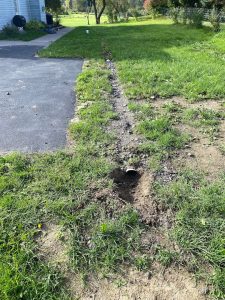
What’s the land grading around your home? Is it sloping towards your house, encouraging water to pool around the foundation? Do you live in an area with a high water table? Is your basement equipped with a sump pump and, if so, is it functioning properly?
These details can make all the difference. They can help you spot early warning signs of potential flooding. Not only will this save you from the inconvenience and cost of repairing a flooded basement, but it can also protect your home’s overall structural integrity and maintain its market value.
Routine Inspection Procedures
Understanding the factors that heighten your basement’s vulnerability to flooding is essential, but it’s only the first step. Regular, thorough inspections serve as the backbone of any successful flood prevention strategy. A planned routine inspection can help you identify potential issues before they evolve into catastrophes.
Your inspection should cover all key areas, including walls for cracks or moisture, floors for any signs of seepage, and the condition of your sump pump if you have one. You should also check your gutters and downspouts, making sure they’re clear of debris and effectively guiding water away from your home.
Don’t forget to inspect your basement windows for any signs of leaks or damage. They’re often overlooked, yet they can be a significant source of water intrusion.
Conduct your inspections periodically, preferably at least twice a year. But remember, if you live in an area with heavy rainfall or a high water table, you may need to inspect more often.
Keep a record of your findings. This not only helps you monitor changes over time but also provides a point of reference if professional help becomes necessary.
Regular inspections may seem tedious, but they’re your best defense against basement flooding. Stick with it, and you’ll reap the benefits.
Mitigating Discovered Issues
Unearthed issues during your routine basement inspections demand immediate attention. You can’t afford to ignore the problem, hoping it’ll disappear. It won’t. In fact, it’s likely to worsen and potentially lead to a flooded basement.
Start by identifying the root cause of the problem. If it’s a minor issue like a small leak, you might be able to fix it yourself with the right tools and materials. But if it’s something more serious like a foundation crack, it’s best to hire a professional. They’re equipped with the skills, knowledge, and tools necessary to properly and safely handle the situation.
Implement preventative measures while you’re at it. Consider installing a sump pump if you don’t have one. It’ll help keep your basement dry by automatically pumping out water that collects in the sump basin.
Waterproofing your basement walls and floors is also a great idea. It helps prevent water from seeping in from outside.
Installing a Sump Pump
Choosing the right sump pump for your basement is an important decision to guarantee ideal flood protection.
You’ll need to understand the specifics of proper installation to avoid future water damage.
Let’s discuss how to select a suitable sump pump and the steps for its correct installation.
Sump Pump Selection
When it comes to protecting your basement from flooding, a key consideration is the selection of a sump pump. The right pump can be the difference between a dry basement and a costly water damage cleanup.
Before you purchase a sump pump, you need to take into account several factors:
- Type of Pump: There are two main types: submersible and pedestal. Submersible pumps are quieter and longer-lasting, but they’re also more expensive. Pedestal pumps are cheaper and easier to maintain, but tend to be noisier.
- Pump Size: You’ll need a pump that’s powerful enough to handle the amount of water your basement is likely to encounter.
- Power Source: Most sump pumps run on electricity, but it’s a good idea to have a battery backup in case of a power outage.
- Switch Type: Tethered switches are more reliable, but they require a larger sump pit. Vertical switches are more compact, but they may not last as long.
- Construction Material: Cast iron pumps are durable and long-lasting, while plastic pumps might be more affordable.
Proper Installation Process
Before you plunge into the installation process, it’s crucial to understand that a properly installed sump pump can be your home’s first line of defense against basement flooding.
Here’s a quick guide to get you started on the right path.
First, select the best spot for your sump pump. Ideally, it should be at the lowest point in your basement. Verify the location is near a GFCI (Ground Fault Circuit Interrupter) outlet for power supply and easily accessible for maintenance.
Next, dig a hole in your basement floor. It should be wide and deep enough to fit the sump basin. Place the basin in the hole and then fill around it with gravel for proper drainage.
After setting the basin in place, it’s time to install the pump. Place it into the basin and make sure it’s leveled. Connect it to the discharge pipe, which should extend well away from your home’s foundation.
Finally, connect your pump to the GFCI outlet and test the system by pouring water into the basin. Your pump should start automatically and drain the water away.
Proper sump pump installation isn’t just about preventing flooding; it’s about giving you peace of mind.
Proper Yard Grading Techniques
To safeguard your basement from water damage, it’s time to roll up your sleeves and immerse yourself in proper yard grading techniques.
Yard grading is all about managing the flow of water, directing it away from your home. Improper grading can lead to water pooling around your home’s foundation, which can seep into your basement and cause significant damage.
Here are five key techniques that you can apply:
- Create a gentle slope: The ground around your home should slope away in all directions. Aim for a drop of about 1 inch per foot for at least 6 feet.
- Use a level: This simple tool can assist you in ensuring your yard maintains the correct slope.
- Install a swale or French drain: These can help guide water away from your house, especially during heavy rain.
- Consider landscaping: Plants can absorb water and their roots can help break up compacted soil, improving drainage.
- Maintain your grading: Over time, your yard can settle or erode. Be sure to inspect and maintain your yard grading regularly.
Sealing Basement Walls and Floors
Beyond the domain of yard grading, another effective method to safeguard your home is by sealing your basement walls and floors. This process can seem intimidating, but with the right tools and techniques, it’s more manageable than you might think.
Start by identifying any cracks or holes in your basement walls and floors. These are often the source of excess moisture and need to be addressed first. You can use a concrete patch product to fill these in. It’s important to remember that you’re not just covering up the problem, but fundamentally stopping it from progressing further.

Next, you’ll need to prep the area for sealing. Clean the surfaces thoroughly to remove any dust or debris. This will guarantee your sealant adheres correctly. Allow the area to dry completely before proceeding.
Then, apply a high-quality, waterproof sealant. This will create a barrier that prevents water from seeping into your basement. Be sure to follow the manufacturer’s instructions closely.
Implementing a Basement Waterproofing System
While sealing your basement walls and floors is a crucial step, it’s equally essential to implement a thorough basement waterproofing system. This system serves as an all-round guard, protecting your basement from potential water damage and ensuring your peace of mind.
To start, you’ll need to select a high-quality waterproofing product. Don’t skimp on this; remember, it’s an investment in your home’s longevity.
Once you’ve chosen a product, it’s time to get to work. Here’s a simple guide to help you:
- Inspect your basement: Look for signs of existing water damage. This could include damp spots, peeling paint, or mold.
- Prepare the surface: Clean the areas you’re going to waterproof. This might involve scraping off old paint or removing mold.
- Apply the product: Follow the manufacturer’s instructions carefully. You’ll generally apply it with a brush or roller.
- Let it dry: Give the product time to dry fully before you do anything else in the space. Patience is key!
- Inspect your work: Once everything’s dry, go back and check for any areas you might’ve missed.
So, you’re now equipped to safeguard your basement against flooding. Remember, your first line of defence is a well-drained yard and maintained gutters. Don’t underestimate the power of a sump pump or the importance of sealing cracks promptly. A waterproofing system can be a game-changer too. With these strategies in place, you’re not just protecting your basement; you’re preserving your peace of mind. Stay vigilant and always be prepared with a flood emergency plan.

Giulio and Jennifer Bevilacqua are the dedicated and passionate owners of Highlander Waterproofing, a trusted name in basement waterproofing and foundation repair. With a commitment to protecting homes and ensuring the safety and well-being of families, Giulio and Jennifer have built Highlander Waterproofing into a premier service provider in the region. Their hands-on approach, combined with years of industry expertise, has helped them earn a stellar reputation for delivering reliable and effective waterproofing solutions.
The Bevilacquas pride themselves on offering personalized service, using proven techniques, and employing a team of highly trained professionals who share their dedication to quality workmanship. As a family-owned and operated business, Giulio and Jennifer emphasize integrity, transparency, and a genuine concern for their clients’ needs. They believe in building lasting relationships with their customers by ensuring each project is completed to the highest standards. Highlander Waterproofing continues to thrive under their leadership, offering innovative solutions and exceptional customer service that homeowners can depend on.