


Just like a sturdy tree with roots digging deep into nourishing soil, your peace of mind, too, can start below ground level—in your basement. Have you ever considered the importance of basement waterproofing? It’s not just about preventing that unsettling damp smell or avoiding the sight of unsightly mold spots. From boosting your home’s value to safeguarding your health, the benefits are more substantial than you might think. So, are you ready to plunge into the world of basement waterproofing, and discover why it’s a capital idea for homeowners?
Key Takeaways: Benefits, Techniques & Risks of Basement WaterproofingKey Takeaways
- Basement waterproofing prevents costly water damage and enhances property value, ensuring long-term home preservation.
- Techniques like membranes, sealants, and drainage systems act as barriers against water intrusion and require regular maintenance.
- Ignoring persistent signs of moisture such as musty odors, water stains, and mold may result in serious health risks and structural issues.
- Despite initial costs, waterproofing is a smart financial investment that results in long-term savings, potential insurance benefits, and increased home resale value.
- Waterproofing not only ensures structural safety but also contributes to overall health by reducing allergen exposure and preventing mold, which can cause severe respiratory issues.
The Importance of Basement Waterproofing
Understanding the importance of basement waterproofing is essential for every homeowner. It’s more than just a preventive measure; it’s an investment in the longevity of your home.
Picture this: you’ve spent time and money finishing your basement, making it the perfect space for a home theater, a playroom, or a home office. But then, without warning, a heavy rainstorm hits, and your basement floods. Not only are your belongings ruined, but the structure of your home is at risk. That’s where waterproofing comes in.
Waterproofing your basement can prevent water damage, saving you from potentially expensive repairs. It can also protect you from health risks associated with mold and mildew, which thrive in damp environments.

Additionally, a waterproofed basement can improve your home’s resale value. Potential buyers will appreciate knowing that they won’t have to deal with water damage down the line.
Don’t think of basement waterproofing as an unnecessary expense. It’s a smart move that can save you money, protect your health, and preserve the value of your home in the long run.
You’ve worked hard for your home; don’t let water damage take that away from you.
Understanding the Basics: What Is Waterproofing?
Delving into the basics, let’s explore what waterproofing really means. Fundamentally, waterproofing is a preventative measure applied to structures to prevent water from entering or seeping through. It’s a shield that keeps your basement dry, safeguarding it from potential water damage.
Let’s take a look at some key waterproofing elements and how they work:
| Waterproofing Element | Function |
|---|---|
| Waterproofing Membrane | A thin layer of water-tight material applied over a surface, blocking the passage of water. |
| Waterproofing Sealant | A substance spread on surfaces to seal pores, cracks, and prevent water infiltration. |
| Drainage System | A system designed to divert water away from the structure. |
| Sump Pump | A device used to pump out water that has accumulated in a water-collecting sump basin. |
| Dehumidifier | A device that reduces humidity level, preventing dampness and mold growth. |
Signs Your Basement Needs Waterproofing
You might wonder, “Does my basement need waterproofing?”
Start by looking for obvious indicators of water damage such as stains or discoloration on walls, floors, or ceilings.
Understanding the role of mold, especially in damp areas, and recognizing hidden structural threats are also essential to making an informed decision about basement waterproofing.
Recognizing Water Damage Indicators
In the domain of home maintenance, early detection of water damage can be a game-changer. You should be vigilant for potential water damage indicators in your basement, as these signs can herald the need for immediate waterproofing measures.
One tell-tale sign to watch out for is a persistent musty odor, which suggests moisture lingering in hidden corners or beneath surfaces. If you’re smelling something damp and moldy, it’s likely you’ve got a water problem.
Another red flag is the presence of water stains. These often show up along the walls, floor, or ceiling of the basement. They’re usually yellowish-brown and can vary in size. They indicate a chronic water seepage problem that needs attention.
Finally, efflorescence, a white, powdery substance on your basement walls, is another indicator. This forms when water evaporates from the surface, leaving behind mineral deposits.
In summary, here are the indicators to watch out for:
- Persistent musty odor
- Water stains on walls, floors, or ceiling
- Efflorescence on basement walls
Understanding Mold’s Role
Building on the signs of water damage in your basement, let’s further explore the role of mold. Mold thrives in damp environments. If you’re noticing a musty odor or seeing dark spots on walls, floors, or ceilings, you could be dealing with mold growth.
Mold isn’t just a cosmetic issue. It can have serious health implications. Prolonged exposure might cause allergic reactions, respiratory problems, or other health issues, especially in children and the elderly. It’s not something you want in your home.
But why is mold an indicator of needing basement waterproofing? Well, mold needs moisture to grow. If you have mold, you likely have a moisture problem. This could be due to poor ventilation, leaks, or seepage.
Waterproofing your basement can address these issues, reducing humidity levels and preventing water intrusion, thereby denying mold the conditions it needs to thrive.
Remember this: Mold is a symptom, not the disease. It’s a sign that you’ve got a moisture problem that needs addressing. Attacking the mold without addressing the underlying moisture issue won’t solve the problem long-term.
Waterproofing your basement, however, can provide a more permanent solution and peace of mind.
Hidden Structural Threats
Despite the robust appearance of your basement, hidden structural threats can lurk beneath the surface, signaling the need for waterproofing.
These threats often manifest subtly, creeping in unnoticed until considerable damage has occurred.
You must be vigilant in identifying these hidden threats.
Here are three signs that your basement might be screaming for waterproofing:
- Persistent dampness: If your basement remains damp even during dry weather, it’s a serious sign of underlying water problems.
- Cracks in the walls and floor: These might start as hairline fractures but can soon turn into gaping faults, threatening the structural integrity of your home.
- Mold growth: Although a small patch of mold may not seem like a significant issue, it can quickly multiply, indicating a persistent dampness problem.
The Dangers of Ignoring Basement Moisture
Ignoring basement moisture isn’t just an aesthetic concern, but can also pose serious health and structural risks.
Prolonged exposure to dampness can lead to respiratory issues, allergies, and other health problems.
Furthermore, persistent moisture can cause significant structural damage to your home, weakening its foundation and overall integrity.
Health Risks of Dampness
An alarming 80% of homes in the United States have reported a basement moisture problem. This isn’t just a structural concern; it’s a potential health hazard that you can’t afford to ignore.
Dampness in your basement can lead to the growth of mold and mildew, which release spores into the air. These spores can trigger allergies and asthma attacks, especially in children and the elderly.
But that’s not all. Prolonged mold exposure can also lead to more serious health issues like respiratory infections and even toxic mold syndrome, a condition characterized by a range of symptoms, including chronic fatigue, memory loss, and muscle weakness.
Here are some potential health risks associated with ignoring basement dampness:
- Increased risk of respiratory problems, including asthma and allergies
- Potential exposure to toxic mold, leading to severe health conditions
- Compromised immune system due to constant exposure to harmful bacteria and fungi
Structural Damage Concerns
Letting basement moisture go unchecked can invite a host of structural problems for your home. Over time, persistent dampness can weaken foundational walls, leading to cracks and even total collapse.
It’s not just the foundation at risk, though. The excess moisture can also cause wood elements like support beams and floor joists to rot, compromising the structural integrity of your house.
Ignoring basement moisture doesn’t just impact the structure; it can also create a conducive environment for mold and mildew, which further deteriorates the building materials. These fungi can spread throughout your home, causing significant damage that can be costly to repair.
When moisture penetrates concrete, it can lead to spalling, where the surface peels, pops out, or flakes off. This process not only weakens the concrete but also leaves your basement looking unattractive.
There’s no doubt that basement moisture poses a serious threat to your home’s structure. That’s why it’s vital to take preventive measures, such as waterproofing your basement.
This investment can save you from expensive repairs down the line and guarantee the longevity of your home. Remember, peace of mind really does start below ground.
Evaluating Different Waterproofing Techniques
Numerous waterproofing techniques are available to safeguard your basement against moisture damage.
You need to choose the right one that best suits your needs and budget. Keep in mind that the wrong choice can lead to unnecessary costs and further damage in the future.
To make an informed decision, you should evaluate different waterproofing techniques.
Consider their pros and cons, efficacy, and the level of maintenance they require.
Here’s a quick rundown of three common techniques:
- Interior Water Drainage: This technique involves installing a drainage system inside the basement to redirect water. It’s less invasive and usually less expensive, but it doesn’t prevent water from entering the walls.
- Exterior Waterproofing: This method is more extensive as it stops water from getting into the basement walls. However, it’s more expensive and requires excavation around the house.
- Crystalline Waterproofing: This technique uses a waterproof coating applied to the interior or exterior surfaces of the basement. It’s a cost-effective solution, but it may not be as long-lasting as the other methods.
Cost Versus Value: Is Waterproofing Worth It?
After carefully considering various waterproofing techniques for your basement, you might find yourself questioning whether the expense is truly worthwhile. You’re not alone in this concern.
However, it’s important to balance the cost of waterproofing against the potential damage and expense of an unprotected basement.
To start with, consider the potential for water damage in your basement. It’s not just about the occasional puddle. Unchecked moisture can lead to mold growth, structural damage, and even health issues – all of which can be costly to repair.
Even worse, these problems often go unnoticed until they’ve escalated, leading to more extensive and expensive repairs.
Waterproofing, on the other hand, is a preventative measure. While the initial cost might seem high, it’s an investment into the longevity of your home.
Professional Services Vs. DIY: Making the Choice
When faced with the task of waterproofing your basement, you’re left with two main options: hire a professional service or take on the project yourself. Each choice has its unique pros and cons, and the right decision depends on your personal circumstances.
If you opt for a professional service, you’ll benefit from their extensive experience and specialized equipment. They’ll identify potential issues that you might miss and offer a warranty for their work. However, this option could be more expensive than DIY.
On the other hand, doing it yourself can save you money. You’ll also gain a sense of accomplishment from completing the project. But remember, it’s a labor-intensive job and if not done correctly, could lead to costly future repairs.
Consider the following before deciding:
- Your budget: Can you afford a professional service, or is a DIY approach more financially feasible?
- Your skill level: Do you have the necessary skills and tools to effectively waterproof your basement?
- Your time: Can you dedicate the right amount of time to the project?
In the end, the choice between professional services and DIY depends on your personal situation.
Preventing Future Basement Water Issues
To guarantee a dry basement in the long run, it’s crucial to preemptively tackle potential water issues. Start by identifying problem areas such as cracks in the foundation, improperly sealed window wells, or clogged gutters that can lead to water intrusion.
Once identified, take immediate corrective action.
Invest time in regular maintenance. Keep gutters and downspouts clean and make sure they’re directing water away from your home’s foundation. Your landscape should slope away from your house to prevent water pooling and seeping into your basement.
Install a sump pump if you don’t have one. It’s a device that collects excess water and pumps it away from your home. Regularly inspect and clean your sump pump to verify it’s functioning properly.
Consider basement waterproofing solutions like applying a waterproofing membrane or installing a French drain system. These measures are more in-depth and may require professional assistance, but they offer long-term protection against water damage.
Real Stories: Homeowners and Waterproofing Success
Now, let’s turn our attention to some real-life experiences with basement waterproofing.
You’ll hear from homeowners who’ve triumphed over water damage, learn about the lifesaving role waterproofing can play, and discover the unexpected benefits it can bring.
Their stories will illustrate the true value and necessity of basement waterproofing.
Overcoming Water Damage Woes
In the face of water damage woes, numerous homeowners have found success through effective basement waterproofing techniques. You can be one of them. With a watertight basement, you’re not just safeguarding your property, but also ensuring peace of mind.
Waterproofing, fundamentally, is a preventative measure. It’s about addressing the problem before it becomes a crisis. Here are three real stories that exemplify this:
- Sarah, a homeowner in Seattle, was battling persistent mold issues until she opted for basement waterproofing. The result? An allergy-free home and a basement she could actually use.
- For John, a retiree in Florida, basement waterproofing meant preventing potential structural damages caused by frequent floods. It’s been five years, and his basement remains as sturdy as ever.
- Lisa and Mark, a couple in Vermont, invested in waterproofing their basement before converting it into a home theater. They haven’t had a single instance of water intrusion since.
Take a leaf out of their book and make the smart choice. Waterproof your basement before water damage woes turn into nightmares.
Waterproofing: A Lifesaver Tale
Often, the value of basement waterproofing shines through in real-life stories of homeowners who’ve experienced its benefits firsthand. Let’s explore some of these transformative tales, where waterproofing proved to be a lifesaver.
Consider the story of Mr. Smith from Michigan. His house was prone to flooding during heavy rainfall. After a particularly nasty storm, his basement was inundated, leading to mold growth and structural damage. He decided to invest in professional basement waterproofing. The outcome? He’s had a dry, mold-free basement ever since, even during the worst of storms.
Or take Mrs. Johnson from Ohio, whose house was on the market with no takers due to a damp, musty basement. After waterproofing, her home sold within a week.
Here’s a table summarizing their stories:
| Homeowner | Problem | Solution |
|---|---|---|
| Mr. Smith | Flooding, mold, structural damage | Basement waterproofing |
| Mrs. Johnson | Unsellable home due to damp basement | Basement waterproofing |
Waterproofing isn’t just about avoiding water damage. It’s about peace of mind, knowing your home and your investment are secure. It’s a lifesaver, and these homeowners can attest to that.
Unexpected Benefits of Waterproofing
You might be surprised by some of the unexpected benefits that can come from basement waterproofing.
Besides the obvious advantage of preventing water damage, waterproofing your basement can provide a plethora of hidden perks that you mightn’t have considered.
For instance, one homeowner, Mr. Johnson, experienced a significant surge in his property value after waterproofing his basement.
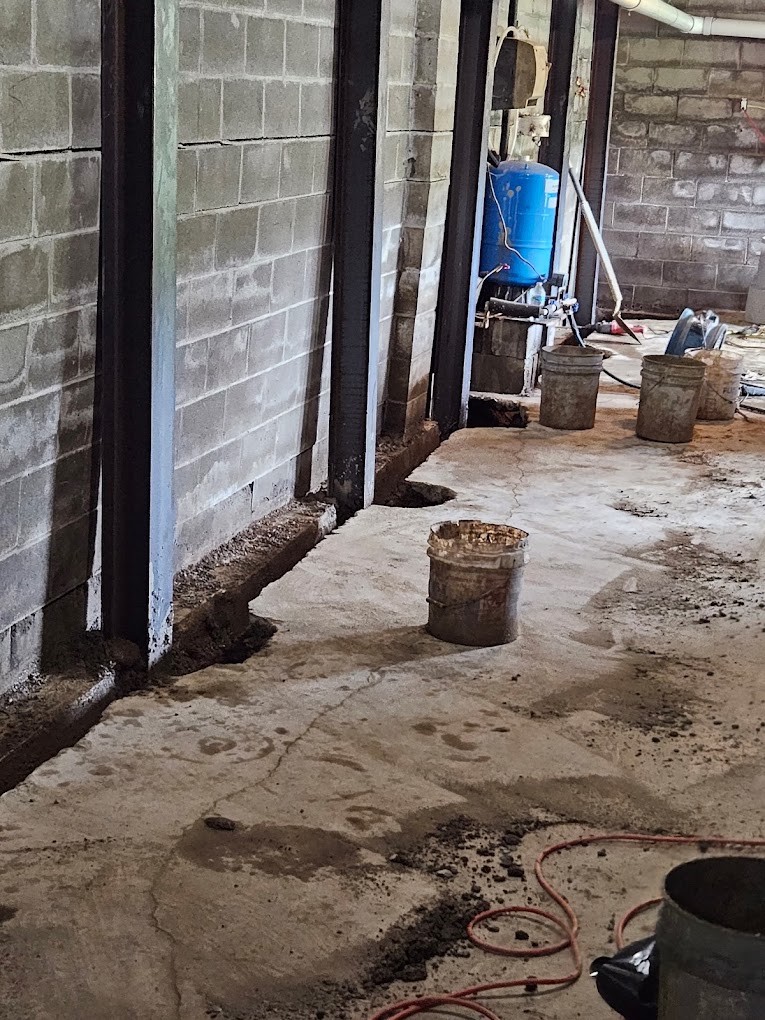
Potential buyers were impressed by the foresight and care he’d invested in his home, ensuring it was shielded against potential water damage.
Additionally, the waterproofed basement was an additional functional space, which was a strong selling point.
Here are three unexpected benefits that Mr. Johnson and many other homeowners have experienced:
- Improved air quality: Waterproofing prevents the growth of mold and mildew, leading to cleaner, healthier air in the home.
- Energy efficiency: By sealing off cracks and leaks, you’re also improving your home’s insulation, leading to decreased energy costs.
- Peace of mind: Knowing you’re protected from potential water damage gives you one less thing to worry about.
Waterproofing your basement might be an investment, but the benefits stretch far beyond just keeping you dry.
It’s about safeguarding your home, your health, and your peace of mind.
Essential Maintenance Tips Post-Waterproofing
Following your basement waterproofing, it’s crucial to adhere to specific maintenance tips to guarantee the longevity and effectiveness of the waterproofing process. Waterproofing isn’t a one-off solution; it requires consistent maintenance to maintain its durability. Here are some tips you can follow to keep your basement dry and your waterproofing system in good shape.
| Maintenance Tips | Description | Frequency |
|---|---|---|
| Regular Cleaning | Keep your basement clean to prevent accumulation of dust and mould | Weekly |
| Inspect for cracks | Check walls and floors for cracks. If found, seal immediately | Monthly |
| Clean drainage system | Verify the drainage system is not blocked by debris | Quarterly |
Firstly, maintain cleanliness in your basement. This helps prevent dust and mould which can affect the waterproofing. Weekly cleaning should suffice.
Secondly, inspect your basement for cracks on a monthly basis. Cracks can allow water to seep in, compromising the waterproofing. If any are found, seal them immediately.
Lastly, every quarter, clean the drainage system. A blocked drainage system can lead to water accumulation, rendering the waterproofing ineffective.
Frequently Asked Questions
How Long Does the Process of Basement Waterproofing Typically Take?
You’re wondering about basement waterproofing duration. Typically, it takes 1-3 days, depending on the basement’s size and condition. However, extensive damage or large areas may lengthen this timeframe. It’s best to consult professionals for an accurate estimate.
Does Basement Waterproofing Increase the Value of My Home?
Waterproofing your basement’s akin to putting money in the bank. It greatly boosts your home’s value, protects against costly damage, and gives potential buyers peace of mind. It’s a solid investment in your property’s future.
What Are the Potential Health Risks Associated With a Damp Basement?
A damp basement can expose you to harmful mold spores that may lead to respiratory problems, allergies, and asthma. It’s also a breeding ground for pests, which can spread diseases. Don’t overlook your basement’s health implications.
Are There Any Eco-Friendly Waterproofing Methods Available?
Yes, there are eco-friendly waterproofing methods. For instance, you can use a sealant made from natural clay. It’s not harmful to the environment and does an excellent job of keeping your basement dry and mold-free.
Can I Remain in My Home During the Basement Waterproofing Process?
Yes, you can stay in your home during the basement waterproofing process. It’s not invasive to your living spaces and doesn’t cause major disturbances, so there’s no need for you to vacate your premises.
Don’t wait until it’s too late. Your basement’s condition can be a ticking time bomb, and ignoring it may lead to costly repairs and health risks. Waterproofing isn’t just a choice, it’s a necessity. So, isn’t it high time you took action? With professional help or a DIY approach, you can safeguard your home, boost its value, and breathe easier. Remember, peace of mind truly does start below ground. Your basement waterproofing journey begins now.

Giulio and Jennifer Bevilacqua are the dedicated and passionate owners of Highlander Waterproofing, a trusted name in basement waterproofing and foundation repair. With a commitment to protecting homes and ensuring the safety and well-being of families, Giulio and Jennifer have built Highlander Waterproofing into a premier service provider in the region. Their hands-on approach, combined with years of industry expertise, has helped them earn a stellar reputation for delivering reliable and effective waterproofing solutions.
The Bevilacquas pride themselves on offering personalized service, using proven techniques, and employing a team of highly trained professionals who share their dedication to quality workmanship. As a family-owned and operated business, Giulio and Jennifer emphasize integrity, transparency, and a genuine concern for their clients’ needs. They believe in building lasting relationships with their customers by ensuring each project is completed to the highest standards. Highlander Waterproofing continues to thrive under their leadership, offering innovative solutions and exceptional customer service that homeowners can depend on.