


You’ve accomplished the task of waterproofing your basement, but how do you ensure it stays dry? Regular inspections, proper ventilation, and humidity control are essential, but that’s just the beginning. Your sump pump plays a vital role, as does the exterior grading of your home. Let’s not forget the importance of maintaining gutters and downspouts. It may seem overwhelming, but don’t worry, we’re here to break it down for you and make it manageable. So, are you ready to find out how to keep that basement of yours perpetually dry?
Key Steps to Keep Your Basement Dry After WaterproofingKey Takeaways
- Regularly inspect your basement for signs of leaks, and promptly address any damp patches, mold, or discoloration.
- Maintain proper ventilation and control humidity levels, using mechanical ventilation systems or dehumidifiers as needed.
- Ensure sump pumps are in good working order, regularly inspecting float switches and keeping the basin debris-free.
- Conduct preventive maintenance, such as inspecting drainage systems, insulating pipes, and repairing foundation cracks.
- Implement landscaping solutions like selecting water-absorbing plants and maintaining gutters to effectively manage water and prevent seepage.
Understanding Basement Waterproofing Basics
Before you delve into the world of basement waterproofing, it’s crucial to understand the basics. It’s not just about slapping on a coat of waterproof paint and calling it a day.
Real waterproofing involves a deep, comprehensive approach that includes both drainage systems and moisture barriers.
Drainage systems are your first line of defense against water. They’re designed to divert water away from your basement, keeping it dry and safe.
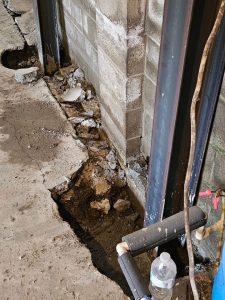
There are different types of drainage systems like French drains, sump pumps, and interior water drainage. Each has its advantages and is used based on the specific needs of your basement.
On the other hand, moisture barriers act as a seal, keeping any residual water from seeping into your basement. They’re typically applied to the exterior walls of your basement.
They work in tandem with your drainage system, providing an extra layer of protection against water damage.
Regularly Inspect Your Basement
As you work to keep your basement dry, regular inspection plays a key role.
By routinely checking for potential leaks, you’ll be able to identify and address problem areas before they escalate.
Similarly, ensuring proper ventilation can prevent the build-up of moisture, warding off dampness and potential water damage.
Identifying Potential Leaks
Regular inspection of your basement is crucial to identify potential leaks early. This process involves active leak detection and identification of moisture sources. Look for damp patches on the walls or floor, signs of mold, or a musty smell. These are telltale signs of water intrusion.
Focused attention on areas where pipes, wires, or ducts penetrate the walls is important. Water often seeps around these points, making them prime potential leak sources. Don’t neglect window wells or areas where the basement walls meet the floor. Water can easily accumulate in these places, particularly after heavy rain or snow.
Using a moisture meter is a smart move. It’ll provide a precise measurement of the moisture level in your walls, giving you a clear idea if you’re dealing with a minor issue or a serious leak.
Maintaining Proper Ventilation
Keeping your basement dry requires maintaining proper ventilation. This isn’t just about ensuring fresh air circulation, but it also involves a strategic approach towards airflow management and moisture control.
Good airflow prevents stagnation of humid air, which can lead to mold and mildew growth. Therefore, make sure your basement has enough ventilation points. These could be windows, vents, or even mechanical ventilation systems. If you have windows, keep them open during dry weather to allow fresh air in. For mechanical systems, ensure they’re in optimal working condition.
In addition to airflow management, you should also focus on moisture control. Basements are notorious for being damp areas, and poor ventilation can exacerbate this issue. Invest in a dehumidifier to regulate humidity levels and prevent excessive moisture. Install it in the most damp area of your basement and remember to empty it regularly.
Lastly, don’t forget to regularly inspect your basement. Check for signs of dampness or stale air. If you spot any, take immediate action. Whether it’s adjusting your ventilation system or using a dehumidifier, the goal is to maintain a dry, well-ventilated basement.
Importance of Proper Ventilation
Without proper ventilation, your basement can quickly become a breeding ground for mold and mildew. The importance of maintaining good air circulation can’t be overstated. Ventilation systems play a vital role in keeping your basement dry and free from harmful elements.
The essence of an efficient ventilation system lies in the mechanism of exchanging indoor air with outdoor air. This process helps to remove pollutants and control air temperature. When your basement lacks adequate ventilation, stale air doesn’t get replaced. This stagnant environment promotes the growth of mold and mildew, which thrive in damp, dark spaces.
Ventilation systems are designed to improve air circulation, mitigating these issues. A well-ventilated basement can disperse moisture buildup, reducing the likelihood of mold growth. Additionally, proper ventilation can eliminate musty odors, making your basement a more pleasant place to spend time.
In essence, proper ventilation in your basement is crucial for maintaining a healthy, dry environment. Investing in a robust ventilation system won’t only protect your property but also contribute to the overall well-being of your household.
Controlling Humidity Levels
Keeping your basement dry isn’t just about proper ventilation; it’s also about managing humidity levels.
When you’re looking to control the moisture in your basement, implementing dehumidifiers effectively and practicing proper ventilation techniques are key.
In the following sections, we’ll discuss how you can use these tools to maintain a dry, comfortable space in your basement.
Implementing Dehumidifiers Effectively
One of the most effective ways to control humidity levels in your basement is by implementing dehumidifiers effectively. Proper dehumidifier placement is crucial to ensure optimal performance. The aim is to achieve comprehensive humidity control, and this can’t be accomplished if the dehumidifier is tucked away in a corner.
Place your dehumidifier in the center of the room where it can pull in air from all sides. Keep it at least 6 inches away from walls and furniture for better airflow. If you’re dealing with a large basement, consider multiple dehumidifiers or one with a larger capacity.
While dehumidifiers are a valuable tool, they’re not completely maintenance-free. Regularly check and empty the reservoir, or opt for a model with a continuous drain option if you’re not home often.
Also, keep the unit clean and change filters as recommended by the manufacturer.
Don’t forget to adjust the humidity settings according to the season. In summer, aim for 30-50% humidity, while in winter, a setting of 30-40% should suffice.
Implementing these strategies effectively will help maintain a dry, mold-free basement, enhancing the overall comfort and livability of your home.
Proper Ventilation Techniques
Alongside the effective use of dehumidifiers, another vital technique for maintaining a dry basement environment is proper ventilation. This strategy is crucial in controlling humidity levels and promoting natural airflow, which can significantly reduce the likelihood of moisture buildup.
To facilitate natural airflow, it’s essential to open windows regularly, especially during dry, sunny days. This allows damp air to move out and be replaced by dry, fresh air. But remember, you must balance this with outside humidity levels. On overly humid days, it’s best to keep windows closed.
But what if your basement lacks windows or natural sources of ventilation? In such cases, consider installing ventilation systems. These systems work to circulate air effectively, drawing in fresh air and expelling damp, stale air.
There’s a wide variety of ventilation systems available, each with their different specifications and benefits. You’ll need to research and select one that suits your specific basement conditions and needs.
Proper ventilation, when combined with other waterproofing methods, can help maintain a dry, healthy, and comfortable basement environment.
The Role of Sump Pumps
Ever wondered how crucial a role sump pumps play in keeping your basement dry? Well, they’re essential. Sump pumps are devices that pump out water that has accumulated in a sump basin, usually found in the basement of homes. They’re your first line of defense against basement flooding.
There are different sump pump types, each designed to meet specific needs. The two main types are submersible and pedestal pumps. Submersible pumps are installed in a sump pit and are designed to function underwater, while pedestal pumps are positioned above the pit with a pipe extending down into the water.
Sump pump installation isn’t a DIY job. It requires the skills of a professional who can correctly size and install the pump.
Check the comparison below:
| Sump Pump Type | Installation | Function |
|---|---|---|
| Submersible | Professional | Underwater |
| Pedestal | Professional | Above Water |
Preventive Maintenance Tips
Maintaining your sump pump regularly can extend its lifespan and keep your basement dry. Regular sump pump maintenance involves checking the float switch for smooth operation and inspecting the basin for debris.
Pipe insulation can also prevent condensation build-up, which can lead to moisture issues.
Your drainage systems need attention too. Ensure they’re free of obstructions and direct water away from your home. This might involve foundation repairs if cracks are causing water seepage.
Additionally, exterior grading is vital, sloping the terrain away from your home to prevent water pooling.
Landscaping solutions can also help. Planting the right vegetation can absorb excess water, while installing moisture barriers beneath mulch beds can keep surface water from seeping into your basement.
Gutter maintenance, like regular cleaning and repairing any leaks, can prevent water from overflowing and damaging your foundation.
Interior sealing is another essential step. Use water-resistant paints to add an extra layer of protection against moisture.
Lastly, evaluate the effectiveness of your current moisture barriers. It’s crucial to reseal or replace them if they’re damaged to ensure a dry basement.
Dealing With Potential Leaks
Recognizing and dealing with potential leaks promptly can spare you a lot of headaches down the road.
It’s vital to regularly check your basement for signs of leakage, even after waterproofing. Leak detection isn’t as challenging as it may seem; you just need to know what to look for.
Watch out for damp spots or discoloration on walls and floors, a musty smell, or mold growth. These are clear indications of water intrusion. If you notice any of these signs, take immediate action. Don’t let a small leak turn into a major problem.
Remember, effective water management is crucial in keeping your basement dry.
Consider investing in a good quality sump pump to deal with water accumulation. This device collects excess water and pumps it away from your basement, helping to prevent potential leaks.
Also, maintain your gutters and downspouts to ensure they’re directing water away from your foundation. It’s a simple step but it can make a significant difference in preventing leaks.
Frequently Asked Questions
Can Basement Waterproofing Increase the Value of My Home?
Yes, waterproofing your basement can certainly increase your home’s value.
It’s viewed as a proactive measure to prevent potential water damage, ultimately saving future repair costs. This makes your property more appealing to buyers, boosting its worth.
Additionally, a dry, usable basement space can also enhance your home’s square footage, which is a big plus.
Is It Necessary to Move Out During the Waterproofing Process?
No, it’s not always necessary to move out during the waterproofing process.
However, temporary relocation can be beneficial. It minimizes exposure to potential health hazards from fumes and dust.
Your contractor will advise if it’s necessary based on the scope and safety of the work.
Remember, it’s about ensuring your comfort and safety while getting the job done correctly.
What Type of Waterproofing Is Best for a Finished Basement?
For a finished basement, you’ll want a waterproofing method that’s non-invasive yet effective.
Interior drainage systems work best. They’re installed beneath your basement floor, redirecting water to a sump pump. This setup keeps your basement dry without disrupting the finished space.
How Long Does a Typical Basement Waterproofing Job Take?
Typically, installing basement drainage systems and applying waterproofing materials takes 2-3 days.
However, it might vary depending on the size of your basement and the complexity of the job.
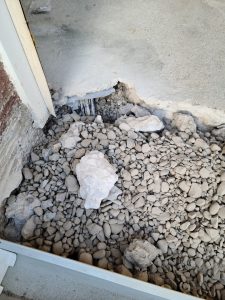
It’s crucial to not rush the process, as a well-done waterproofing job ensures your basement stays dry for years.
After completion, regular maintenance and checks are key to keeping your basement dry and preventing any future water damage.
Are There Any Eco-Friendly Basement Waterproofing Options?
Yes, there are eco-friendly basement waterproofing options.
You can use green materials like a water-based sealant that’s non-toxic and doesn’t emit harmful fumes.
Consider natural clay as it’s an effective moisture barrier.
Moreover, incorporate drainage solutions like a French drain system, which helps manage water flow naturally, reducing the need for energy-consuming sump pumps.
Always choose contractors who follow environmentally friendly practices.
In conclusion, keeping your basement dry after waterproofing involves regular inspections, proper ventilation, and humidity control. Don’t overlook the significance of a functional sump pump and preventive maintenance. Always be ready to address potential leaks promptly. Remember, efficient gutter systems and correct exterior grading play crucial roles too. By adhering to these practices, you can ensure a dry, safe basement, preserving your home’s structural integrity and increasing your property value.

Giulio and Jennifer Bevilacqua are the dedicated and passionate owners of Highlander Waterproofing, a trusted name in basement waterproofing and foundation repair. With a commitment to protecting homes and ensuring the safety and well-being of families, Giulio and Jennifer have built Highlander Waterproofing into a premier service provider in the region. Their hands-on approach, combined with years of industry expertise, has helped them earn a stellar reputation for delivering reliable and effective waterproofing solutions.
The Bevilacquas pride themselves on offering personalized service, using proven techniques, and employing a team of highly trained professionals who share their dedication to quality workmanship. As a family-owned and operated business, Giulio and Jennifer emphasize integrity, transparency, and a genuine concern for their clients’ needs. They believe in building lasting relationships with their customers by ensuring each project is completed to the highest standards. Highlander Waterproofing continues to thrive under their leadership, offering innovative solutions and exceptional customer service that homeowners can depend on.