


When you’re dealing with a damp or leaking basement, the right waterproofing contractor can make all the difference. It’s not just about finding an expert who can get the job done, but one who’ll ensure you won’t have to face the same issue down the line. But how do you make that choice? How do you sift through the multitude of options and find someone you can trust with your home? Let’s talk about the key factors you should consider, and how they’ll help you make the best possible decision.
Top Takeaways for Vetting Basement Waterproofing Contractors
- Thoroughly research local contractors, evaluating their range of services, online reviews, and pricing.
- Verify potential contractors’ credentials, checking for experience, licensing, insurance, and affiliations with professional organizations.
- Ask pertinent questions about the contractor’s experience, their approach to waterproofing, project timelines, and warranty options.
- Evaluate each contractor’s specialization in basement waterproofing and compare their pricing options, prioritizing value over just cost.
- Trust your instincts and gauge your comfort level with the contractor before making a final decision.
Understanding Basement Waterproofing
 Navigating the world of basement waterproofing can feel like a daunting task. It’s important to grasp the concept of basement moisture and the various waterproofing methods available.
Basement moisture is often a silent antagonist, slowly damaging your property from within. It’s a common issue that homeowners face, resulting from groundwater seepage, condensation, or even leaks.
Understanding the waterproofing methods can empower you to make informed decisions. The three main methods are interior water drainage, exterior waterproofing, and sealants.
Interior water drainage is about controlling water once it has made its way into your home, diverting it away from your basement.
Exterior waterproofing, on the other hand, aims to prevent water from entering your basement in the first place. This method is typically more comprehensive and costly.
Lastly, sealants are applied to walls and floors, creating a moisture barrier.
Each method has its pros and cons, and there’s no one-size-fits-all solution. It depends on your home’s specific needs and your budget.
While understanding these methods won’t magically eliminate basement moisture, it’s a crucial step in finding the right waterproofing solution for your home.
Researching Local Contractors
One of the most crucial steps in securing your home’s future is researching local contractors proficient in basement waterproofing. This isn’t a task to rush; you should dedicate ample time to thoroughly investigate your options.
Start by browsing online for contractor reviews. Stay vigilant and look for patterns in feedback, be it positive or negative. You’re looking for a contractor with consistently high ratings and a reputation for delivering on their promises.
Remember, you’re not just looking for a quick fix, but a long-term solution for your home’s basement.
Next, conduct service comparisons. This involves evaluating the range of services offered by different contractors. Some might specialize in internal waterproofing, others in external methods. Your choice should be influenced by your specific needs.
Also, consider cost comparisons. However, don’t let price be your sole deciding factor. The cheapest contractor isn’t necessarily the best, and the most expensive may not offer value for money.
It’s about finding a balance between quality service and affordability.
Your home is your sanctuary; it deserves the best. Therefore, take your time, do your homework, and choose a basement waterproofing contractor who’ll get the job done right.
Evaluating Contractor Credentials
Armed with a list of potential contractors, the next step involves evaluating their credentials.
You’ll need to delve into their contractor experience, as well as their licensing requirements. This process is integral in ensuring that you’re working with a qualified professional who can effectively protect your basement from water damage.
When assessing a contractor’s credentials, you should focus on:
- Experience: Look for a contractor who’s several years of experience, especially in basement waterproofing. This demonstrates they’ve honed their skills over time and can handle different situations.
- Licensing: Verify that the contractor meets local and state licensing requirements. This not only affirms their legitimacy but also their compliance with building codes and standards.
- Insurance: Ensure the contractor has liability and workers’ compensation insurance. This protects you from any financial burden should an accident occur during the job.
Asking the Right Questions
Before signing on the dotted line, there are crucial questions you should ask potential contractors. You’re not just hiring a service, you’re investing in your home’s future. So, understand the contractor experience and waterproofing methods they’ll employ.
Firstly, ask about their experience. How long have they been in the business? What’s their track record with similar projects? It’s important to hire a contractor with vast experience in basement waterproofing. This ensures they’ve encountered and successfully solved a variety of challenges.
Secondly, inquire about their waterproofing methods. Do they offer multiple solutions, or do they rely on a one-size-fits-all approach? The best contractors will evaluate your home’s specific needs before suggesting a tailored waterproofing plan. They should be able to explain their proposed methods clearly, and why they’re best for your situation.
Lastly, don’t be shy about asking for customer references. Speaking with previous clients can provide valuable insight into the contractor’s work quality and reliability.
Making a Final Decision
After careful consideration and thorough vetting, making a final decision on your basement waterproofing contractor can seem daunting.
You’ve gathered all the necessary information, but now comes the hard part – choosing the right contractor.
Don’t fret, here’s how to simplify the process.
Firstly, evaluate each contractor’s experience.
You’re seeking a professional who’s well-versed in basement waterproofing, not a jack-of-all-trades.
Experienced contractors will offer insights and solutions that others may overlook.
Secondly, consider their pricing options.
You need to balance between affordability and high-quality service.
Don’t necessarily opt for the cheapest service; instead, seek out value for money.
Lastly, trust your gut.
If a contractor doesn’t make you feel comfortable or doesn’t communicate effectively, it’s okay to move on.
So, your decision should be based on:
- The contractor’s experience in basement waterproofing
- The balance between pricing options and quality
- Your gut feeling about the contractor
Frequently Asked Questions
What Are the Potential Health Risks of Not Waterproofing My Basement?
If you don’t waterproof your basement, you’re risking mold growth.
This mold can significantly reduce your indoor air quality, potentially leading to health issues like allergies, asthma attacks, and other respiratory problems.
Even if you’re not allergic, prolonged exposure to mold can irritate your eyes, skin, nose, throat, and lungs.
Therefore, it’s essential to take basement waterproofing seriously for the sake of your health.
 How Does the Climate Affect the Need for Basement Waterproofing?
 How Does the Climate Affect the Need for Basement Waterproofing?
Climate heavily impacts your need for basement waterproofing. If you’re in a wet climate, you’ll deal with more moisture, making waterproofing essential.
Even dry climates aren’t exempt, as occasional rain can lead to water accumulation.
Remember, it’s not just about managing visible water; it’s also about controlling humidity.
Your climate’s impact on moisture management can make or break your basement’s condition, so don’t overlook this when considering waterproofing options.
Can I Waterproof My Basement on My Own, or Do I Need a Professional?
Sure, you can try DIY waterproofing, but it’s not always the best option.
You may lack the expertise to properly identify and fix issues.
Professional services, on the other hand, have the knowledge and tools to do a thorough job.
If you’re not confident in your abilities or if the job is complex, hiring a professional is advised.
What Are the Maintenance Requirements After Basement Waterproofing?
After your basement’s been waterproofed, you’ve got some maintenance tasks ahead.
You’ll need to regularly check and clean your drainage systems to prevent clogs.
It’s also important to monitor your basement’s humidity levels.
Invest in a good quality dehumidifier for optimal moisture control.
Don’t ignore any signs of water leakage, even minor ones.
Proper maintenance can prolong the lifespan of your waterproofing system, so don’t skimp on it.
Does Homeowners Insurance Typically Cover Basement Waterproofing Services?
Typically, homeowners insurance doesn’t cover basement waterproofing costs.
It’s generally considered a home improvement or maintenance task, not a reaction to sudden, accidental damage.
However, it’s always best to check with your insurance company. They’ll provide the specifics of what’s covered under your policy.
Consider it an investment in your home’s health, as it can prevent costly damage in the future.
In choosing the right basement waterproofing contractor, it’s crucial to do your homework. Research local professionals, evaluate their credentials, and ask the right questions. Don’t underestimate the importance of experience, licensing, and insurance. Consider their service range, project timelines, and warranty options. Ultimately, your choice should balance expertise, affordability, and your comfort level. Remember, the right contractor can safeguard your home while offering you peace of mind.

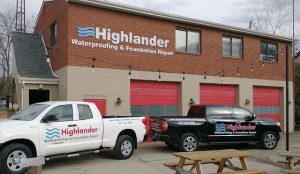
Giulio and Jennifer Bevilacqua are the dedicated and passionate owners of Highlander Waterproofing, a trusted name in basement waterproofing and foundation repair. With a commitment to protecting homes and ensuring the safety and well-being of families, Giulio and Jennifer have built Highlander Waterproofing into a premier service provider in the region. Their hands-on approach, combined with years of industry expertise, has helped them earn a stellar reputation for delivering reliable and effective waterproofing solutions.
The Bevilacquas pride themselves on offering personalized service, using proven techniques, and employing a team of highly trained professionals who share their dedication to quality workmanship. As a family-owned and operated business, Giulio and Jennifer emphasize integrity, transparency, and a genuine concern for their clients’ needs. They believe in building lasting relationships with their customers by ensuring each project is completed to the highest standards. Highlander Waterproofing continues to thrive under their leadership, offering innovative solutions and exceptional customer service that homeowners can depend on.
