


You’ve just waterproofed your basement and the change is nothing short of remarkable. No more dampness, no more musty smells, and suddenly, you’ve got a whole new usable space. The process was meticulous, from installing a sump pump to applying high-quality sealant, but the resulting drop in moisture levels was worth every second. But here’s the kicker: it wasn’t just the improved living conditions that had you nodding in satisfaction, but also the added value to your property. Intrigued? Let’s dive into the details.
Basement Waterproofing: Key Insights & TakeawaysKey Takeaways
- The homeowner identified the moisture sources in the basement and selected appropriate waterproofing materials.
- Preparation involved cleaning the basement, inspecting for moisture, and checking gutters and downspouts.
- The waterproofing process included applying a primer, installing drainage systems, and applying moisture barriers.
- Challenges such as mold growth and structural issues were addressed before applying the waterproofing materials.
- After waterproofing, the homeowner performed regular inspections, controlled humidity levels, and maintained gutters, leading to long-term savings.
Understanding Basement Waterproofing
Almost every homeowner will, at some point, have to deal with basement waterproofing.
It’s an essential task, especially if you live in an area susceptible to heavy rains or flooding. The first thing you need to understand is that basement moisture isn’t just an inconvenience—it can cause serious structural damage to your house over time.
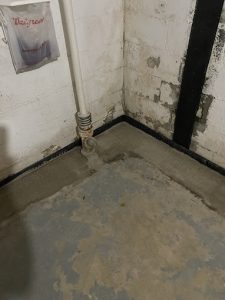
To tackle this problem, it’s crucial to identify the source of the moisture. It could be seeping in from outside, condensing from the air inside, or coming up through the floor.
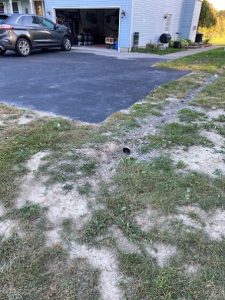
You’ll need to examine your basement carefully to figure this out.
Once you’ve identified the source, you can start exploring drainage solutions.
These can range from simple fixes like regrading your yard to direct water away from your house, to installing a sump pump or a French drain system.
Gathering Essential Tools and Materials
Before you embark on the journey of waterproofing your basement, you’ll need to gather the necessary tools and materials. This phase is crucial as your tool selection and choice of material types will directly influence the success of your project.
First, let’s talk about tools. You’re going to need a good quality paintbrush, roller, or sprayer for applying the waterproofing product. A wire brush is also handy for cleaning the walls before application.
Don’t forget a sturdy ladder, protective gloves, and safety goggles. These are non-negotiables for your safety.
Next, let’s move onto materials. You’ll need a high-quality waterproofing paint or sealant. There are different types to choose from, depending on your basement’s condition and your budget.
For instance, silicate-based sealers are excellent for concrete and masonry, while acrylic-based ones are cheaper and easier to apply but mightn’t last as long.
You’ll also need a reliable cleaner to rid the walls of any dirt or mildew. Opt for something strong but safe for your walls’ material.
Preparations Before Waterproofing
Now that you’ve gathered your tools and materials, it’s time to set the stage for your waterproofing project. Before you start waterproofing, you must consider the conditions of your basement, especially its moisture levels, and follow essential safety measures.
First, you should clear out your basement. Remove all furniture, storage items, and sweep away any debris to ensure a clean working space. A cluttered environment can lead to accidents, so keep safety at the forefront to avoid mishaps.
Next, inspect your basement for existing moisture. Use a moisture meter to accurately measure the level of dampness in the walls and floor. It’s crucial to know the extent of the moisture problem to effectively address it during the waterproofing process.
Ensure that you have adequate ventilation in your basement. Proper air circulation is key to reducing basement moisture and preventing the build-up of harmful fumes during the waterproofing process.
Here are some additional tasks to consider:
- Inspect your gutters and downspouts for any blockages
- Check your sump pump if you have one, to ensure it’s working properly
- Grade the soil around your foundation to slope away from your house
With these preparations complete, your basement will be ready for waterproofing.
Identifying and Fixing Cracks
Before you can effectively waterproof your basement, it’s critical to identify and address any existing cracks in your basement walls.
You’ll learn how to spot these cracks and explore DIY methods for repairing them.
However, for severe cases, we’ll also discuss when it’s time to call in professionals for crack sealing solutions.
Spotting Basement Wall Cracks
While it may seem daunting at first, spotting basement wall cracks and identifying their causes is a crucial step in the basement waterproofing process. The key is to remain vigilant and informed about the different crack types and the role wall moisture plays in their formation.
First, familiarize yourself with the common crack types. Not all cracks are created equal. Some are hairline, barely noticeable, while others are gaping and obvious. Pay attention to the direction of the crack. Vertical cracks often result from settlement or shrinkage, while horizontal ones could indicate serious structural issues.
Next, consider the role of wall moisture. Dampness in your basement walls can worsen existing cracks or even cause new ones. High humidity, leaks, or poor drainage can all contribute to wall moisture.
In order to better understand the process, consider the following:
- Inspect your basement regularly for signs of cracking.
- Differentiate between minor and major cracks.
- Keep an eye out for wall moisture and take steps to control it.
DIY Crack Repair Methods
Tackling basement wall cracks doesn’t have to be an overwhelming task. Armed with the right knowledge about crack types and sealing techniques, you can handle this problem effectively.
Firstly, you need to identify the type of cracks you’re dealing with. Hairline cracks usually don’t pose a significant threat, while larger, more visible cracks may be a cause for concern. Horizontal cracks might indicate severe structural issues that require immediate attention.
Once you’ve identified the cracks, choose the right sealing method. For minor hairline cracks, an epoxy injection might do the trick. This substance fills the crack entirely, creating a waterproof barrier. You’ll need to clean the crack thoroughly before applying the epoxy to ensure it adheres properly.
For larger cracks, a polyurethane foam injection could be more suitable. This expands within the crack, sealing it off from water penetration. Remember to wear protective gear when handling these substances.
In case of horizontal cracks, you might need to install carbon fiber strips to stabilize the wall. This isn’t a job to be taken lightly, so make sure you’re comfortable with the process before proceeding.
Professional Crack Sealing Solutions
Even though handling minor cracks on your own might seem feasible, more severe basement damage calls for professional help. Experts in crack sealing have the required experience, training, and tools to effectively diagnose and resolve complex issues. They can accurately identify the root cause of the problem, which could range from poor drainage to soil movement, and provide the most effective professional solutions.
Here are some critical steps involved in professional crack sealing:
- Inspecting the Basement: Professionals thoroughly inspect your basement, identify all cracks, and assess their severity. This step is crucial in deciding the right repair solution.
- Sealing the Cracks: Experts use industrial-grade sealants and waterproofing materials to ensure a lasting repair. This isn’t your run-of-the-mill caulk; it’s a high-quality material designed to withstand pressure and moisture.
- Implementing Preventive Measures: A good professional doesn’t just fix the existing problem. They also implement measures to prevent future damage, like improving drainage systems and recommending changes in landscaping.
You’re not just paying for a quick fix with professional crack sealing. You’re investing in a comprehensive solution that ensures the longevity and stability of your basement. It’s all about peace of mind.
Applying Waterproofing Primer
Now that you’ve addressed any cracks, it’s time to focus on applying waterproofing primer.
It’s crucial to select the right primer for your basement’s specific conditions to ensure maximum efficiency.
We’ll guide you through the process, from choice to application, to help create a solid, waterproof foundation.
Choosing the Right Primer
Choosing the right primer for waterproofing your basement can be a critical step in the process. The market is filled with various primer types, and choosing the right one depends largely on the specific needs of your basement.
In this regard, understanding the different primer types and their application techniques is paramount. Here’s a breakdown to help you make an informed decision:
- Oil-based primers: These are great for sealing porous surfaces, hiding stains, and preventing tannin bleed. They’re a perfect choice for basements with previous water stains or mold issues.
- Shellac primers: Known for their high adhesion and stain-blocking properties, shellac primers are ideal if you’re dealing with severe stains or odors.
- Latex primers: These are water-based and easy to use, making them suitable for light to medium stains.
Primer Application Process
Your basement’s transformation begins with the right application of waterproofing primer. It’s not just about slapping on a coat; the process requires a strategic approach to ensure optimal efficiency.
There are a variety of primer types, each with unique attributes. Some primers are more adhesive, perfect for those tricky, porous surfaces. Others offer mould resistance, a beneficial feature if your basement is prone to humidity. Your chosen primer type should cater to your basement’s specific needs.
Now, let’s talk application techniques. Start by cleaning your basement walls thoroughly. Any dirt or residue can hinder the adhesion process.
Using a thick-nap roller, apply the primer in a zigzag pattern. This method helps to achieve an even coverage and reduces the chances of air bubbles.
Don’t rush the process. Allow the primer to dry fully before proceeding. This could take anywhere from 2 to 24 hours, depending on the primer type and the conditions of your basement.
The Waterproofing Process
Let’s delve into the waterproofing process, a pivotal step towards a dry and damage-free basement. Waterproofing isn’t just about sealing cracks; it’s an intricate process that involves creating an effective drainage system and installing moisture barriers.
The first part of the process involves inspecting your basement thoroughly and identifying any existing issues. This is crucial to formulate a plan that will effectively tackle all the problems at hand.
Next, you’ll need to install a reliable drainage system. This can involve excavating around the exterior of your foundation, installing weeping tiles, and setting up a sump pump system. The goal is to divert water away from your basement, reducing the chance of it seeping in.
The third step is installing a moisture barrier on both the exterior and interior walls of your basement. This acts as an additional line of defense against water intrusion.
- Drainage systems are the unsung heroes of basement waterproofing, directing water away to keep your basement dry.
- Moisture barriers are vital shields, protecting your basement from potential water damage.
- Regular inspections form the backbone of an effective waterproofing process, allowing you to spot and address issues early.
With the right approach, you can transform your damp, gloomy basement into a dry, damage-free space.
Challenges Encountered During Waterproofing
As you proceed with waterproofing, you’ll likely come across some unexpected problems.
Dealing with these basement hurdles can be tough, but don’t worry – there are practical solutions for each one.
Let’s tackle these challenges one by one to ensure a smooth and successful waterproofing process.
Unexpected Waterproofing Problems
During the waterproofing process, you might stumble upon a few unexpected problems that can turn a simple project into a complex challenge.
Issues such as mold growth, drainage issues, fluctuating humidity levels, and questions about foundation integrity are likely to pop up.
Mold growth, for instance, is an insidious problem. It can lurk in your basement, unseen, feeding on dampness and warmth. If you don’t handle it properly before waterproofing, it can affect the process’s efficacy.
Drainage hitches, too, may surface unexpectedly. You might find that your current system isn’t adequately handling water, causing pooling and seepage. It’s crucial to address these before laying down any waterproofing measures.
Here’s what could go wrong:
- Mold growth: This can undermine your waterproofing efforts. It’s vital to eradicate any mold before proceeding.
- Drainage issues: An inefficient system will hamper your efforts. It’s best to fix any drainage problems first.
- Humidity levels: High humidity can affect the application of waterproofing materials. You’ll need to tackle this issue before you start.
Lastly, the integrity of your foundation could be compromised. If it’s not solid, waterproofing won’t do much good. An inspection can reveal any underlying issues that need to be addressed.
Overcoming Basement Hurdles
Navigating through the challenges of basement waterproofing can feel like navigating a labyrinth. You’re not alone. Here’s my experience to help guide you.
Moisture control is the first hurdle. It’s a must to assess the moisture level in your basement before you start. You’ll need to figure out where the moisture is coming from – is it seeping in from outside? Condensation?
Once you’ve identified the source, you can tackle it effectively.
The second hurdle is choosing the right drainage solutions. It’s not a one-size-fits-all solution. You need to consider the layout of your basement and the surrounding land.
The goal is to ensure that water flows away from your home, not towards it. Don’t be disheartened if the first solution doesn’t work. Try different ones until you find the perfect match.
The third hurdle can be unexpected complications. You might uncover cracks, crumbling concrete or other structural issues that need addressing before waterproofing can be successful.
Don’t let these surprises derail you. They’re just another part of the process.
Post-Waterproofing Basement Maintenance
Now that you’ve successfully waterproofed your basement, it’s time to think about maintenance. Your basement is no longer just a storage space or a forgotten part of the house, but an extension of your living space that needs care and attention.
Keeping your basement in top-notch condition involves two key aspects: routine inspections and humidity control.
Regular inspections are essential to catch any potential issues early. Look out for cracks, seepage spots, or any signs of moisture. If you spot anything out of the ordinary, it’s best to tackle it right away.
Humidity control is equally crucial. High humidity can lead to mold and mildew, which can damage your basement and pose health risks. Consider investing in a dehumidifier to keep the humidity level in check.
It’s also useful to remember the following:
- Regularly check your sump pump (if you have one) to ensure it’s working properly.
- Keep gutters and downspouts clean to avoid water accumulation around your basement.
- Insulate basement pipes to prevent condensation.
Proper maintenance ensures your waterproofed basement stays in excellent condition, providing a safe, dry space for you and your family.
The Benefits of Waterproofing
Beyond the obvious advantage of keeping your basement dry, waterproofing brings a host of other benefits that you mightn’t have considered. Foremost, it’s a solid strategy for mold prevention. By controlling moisture, you’re effectively cutting off the life source of mold. This not only safeguards your property but also improves air quality, creating a healthier living environment.
Waterproofing also enhances your home’s structural integrity. Water seepage can compromise your foundation, leading to costly repairs. By waterproofing, you’re protecting your property and potentially saving thousands in future repair costs.
Property protection goes hand in hand with increased value. A dry, mold-free basement is a selling point, boosting your home’s market value. Prospective buyers appreciate the assurance of a waterproofed basement, saving them potential headaches and expenses down the line.
Final Thoughts on My DIY Experience
In spite of the challenges, you’ll find that waterproofing your own basement can be a rewarding experience. The process is quite detailed, but the long term benefits are significant. You’ll not only gain a dry and usable space, but you’ll also enhance the value of your property.
Cost considerations are an integral part of any DIY project. However, you’ll find that with good research, you can source quality materials at a reasonable price. The investment you make in waterproofing your basement will pay off down the line in reduced repair costs and increased property value.
There are a few key takeaways from my experience:
- Be prepared for potential challenges. Not everything goes as planned, but persistence and patience will lead to success.
- Always consider the long term benefits when making cost considerations. An upfront investment can save you from future headaches.
- Don’t be afraid to seek expert advice. Even the most experienced DIY-ers can benefit from professional insights.
Frequently Asked Questions
How Much Does a Professional Basement Waterproofing Service Typically Cost?
You’re likely to spend between $3,000 to $10,000 for professional basement waterproofing, but costs can vary based on several factors.
It depends on the size of your basement, the type of waterproofing you choose, and the extent of the damage.
DIY options can save you some cash, but if it’s a serious issue, you’re better off hiring a pro.
Can Insurance Cover the Cost of Basement Waterproofing?
You’re curious if insurance can cover basement waterproofing costs.
It’s critical to understand that typically, insurance policies don’t cover it. It’s considered a home maintenance issue, not accidental damage.
However, you can review your policy or talk to your insurer about coverage options.
If your basement has been damaged by a covered peril that’s led to water issues, you might be lucky.
Still, for waterproofing, you’re likely shouldering the cost yourself.
Does Waterproofing Increase the Value of My Home?
Absolutely, waterproofing your basement can significantly increase your home’s value.
It’s an investment that boosts your home equity and enhances your property’s resale value.
Potential buyers see a waterproofed basement as a big plus, knowing they won’t have to deal with potential water issues.
Are There Any Possible Health Issues Associated With a Damp or Wet Basement?
Absolutely, damp or wet basements can lead to serious health issues.
The primary concern is mold growth, which thrives in moist environments. This can significantly deteriorate your home’s air quality. Inhaling mold spores can trigger allergies, asthma, and other respiratory problems.
How Often Should I Inspect My Basement for Potential Leaks After Waterproofing?
You should inspect your basement for potential leaks every three months.
Regular leak detection and moisture monitoring will help ensure the waterproofing’s effectiveness.
Don’t ignore any signs of dampness, as they could indicate a problem.
Remember, it’s easier to address a minor issue before it becomes a major one.
Stay vigilant, and your waterproofed basement will remain dry and safe for years to come.
So, you’ve made it to the end of my basement waterproofing journey. You’ve seen the challenges, the solutions, and the rewards. It’s a project that’s totally worth your time and effort. You’ll not only gain a functional space but also boost your home’s value. Plus, you’re saving yourself from potential damage down the line. Trust me, your peace of mind is priceless. Give it a go, and you’ll see the difference!

Giulio and Jennifer Bevilacqua are the dedicated and passionate owners of Highlander Waterproofing, a trusted name in basement waterproofing and foundation repair. With a commitment to protecting homes and ensuring the safety and well-being of families, Giulio and Jennifer have built Highlander Waterproofing into a premier service provider in the region. Their hands-on approach, combined with years of industry expertise, has helped them earn a stellar reputation for delivering reliable and effective waterproofing solutions.
The Bevilacquas pride themselves on offering personalized service, using proven techniques, and employing a team of highly trained professionals who share their dedication to quality workmanship. As a family-owned and operated business, Giulio and Jennifer emphasize integrity, transparency, and a genuine concern for their clients’ needs. They believe in building lasting relationships with their customers by ensuring each project is completed to the highest standards. Highlander Waterproofing continues to thrive under their leadership, offering innovative solutions and exceptional customer service that homeowners can depend on.