


You’ve put a lot of time, money, and love into your home. But are you giving your basement the attention it deserves? Waterproofing contractors often see homeowners making the same costly mistakes. Overlooking early signs of water damage, improper grading around your home, and neglecting regular maintenance checks can all lead to more serious problems down the line. Intrigued? Stay tuned as we explore the most common basement blunders and how to avoid them.
Top Basement Waterproofing Mistakes and How to Avoid ThemKey Takeaways
- Ignoring early signs of water damage like damp walls and musty smells leads to escalated repair costs.
- Poor grading around the home can cause water to flow towards the foundation, increasing the risk of basement flooding.
- Neglecting regular maintenance and inspections of waterproofing systems can result in severe structural damage.
- Using low-quality waterproofing materials can leave basements vulnerable to water penetration and rapid deterioration.
- Not monitoring humidity and ignoring signs of mold or mildew can lead to significant health risks and damage to stored items.
 Ignoring Early Water Damage Signs
 Ignoring Early Water Damage Signs
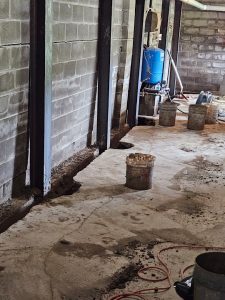
Overlooking early signs of water damage in your basement can lead to disastrous consequences.
It’s not just about the financial strain of costly repairs, but also the potential health hazards associated with mold and mildew.
You may think that a small wet spot on your basement floor or wall is no big deal, yet it’s often the first sign of a larger issue.
It’s vital to keep an eye out for such signs. These can include damp, discolored walls, a musty smell, or even peeling paint.
Don’t dismiss them as harmless; they’re your basement’s cry for help.
Playing down these signs might seem like the easy route, especially if you’re not experiencing any immediate problems.
However, remember, it’s easier to fix a small leak than to deal with water-damaged furniture, ruined carpets, or warped walls.
Inadequate Grading Around Home
You may not realize it, but improper grading around your home can lead to serious basement waterproofing issues.
If overlooked, it can result in costly and damaging consequences.
Let’s discuss the basics of home grading, understand the risks of poor grading, and explore effective solutions to guarantee a dry and healthy basement.
Understanding Home Grading Basics
Your home’s foundation is at the mercy of the land it’s built upon. This makes understanding home grading basics critical to prevent common basement mistakes. It’s all about the slope of your property, and it’s something that requires careful planning and execution.
Home grading refers to the process of guaranteeing the land around your house slopes away from the foundation. This prevents water from pooling around your home, which can lead to severe foundation problems. But how do you decide the correct grade?
| Ideal Grade | Description |
|---|---|
| Positive Grade | Land slopes away from the foundation. |
| Negative Grade | Land slopes towards the foundation. |
| Neutral Grade | Land is flat and level. |
A positive grade is the one you’re aiming for. It guarantees that water naturally flows away from your home. A negative grade, on the other hand, can be disastrous, allowing water to seep into your basement. A neutral grade isn’t ideal either, as it doesn’t facilitate water drainage.
Consequences of Poor Grading
A poorly graded landscape can have severe implications for your home’s foundation and overall structure. If you’ve been neglecting this aspect of your home maintenance, you might be setting yourself up for a plethora of costly issues.
When your property’s grading is inadequate, it can lead to poor drainage. This means water won’t flow away from your house as it should. Instead, it’ll pool around your home’s foundation. Over time, this standing water can cause the soil to expand and contract, which in turn can lead to foundation damage. Cracks may form, compromising the stability and safety of your home.
In addition, poor grading can lead to basement flooding. If water isn’t properly directed away from your house, it can easily find its way into your basement. This isn’t just an inconvenience; it can result in significant property damage, encourage mold growth, and even impact your health.
Don’t underestimate the importance of proper grading. Though it may seem like a minor detail, it can have major consequences if neglected.
Understanding these potential issues is the first step towards protecting your home and ensuring its longevity.
Effective Grading Solutions
Understanding the potential consequences of poor grading marks the beginning of effective home maintenance. Your home’s grading, or the slope of the land around it, is essential for preventing water damage. If it’s not properly graded, water can pool around your foundation, leading to damage and eventually, basement leaks.
One effective solution to rectify inadequate grading is re-sloping. This involves changing the slope of your land so that it directs water away from your home instead of towards it. It’s a task you can tackle yourself, but if the problem is severe, consider hiring a professional.
Another solution is to install a French drain. This is a trench filled with gravel or rock containing a perforated pipe that redirects surface water away from your home. It’s a more labor-intensive solution, but it’s highly effective.
If your home is on a hill, consider terracing. This involves creating a series of step-like levels on the hill to slow down water runoff and prevent soil erosion. It’s a complex task that often requires professional help, but it can provide a long-term solution to your grading issues.
Poorly Installed or Maintained Gutters
Over time, improperly installed or poorly maintained gutters can lead to significant basement waterproofing issues. It’s not just about having gutters, but about guaranteeing they’re correctly installed and regularly maintained. They play an essential role in directing rainwater away from your home’s foundation. If neglected, you’re inviting a host of problems.
Here’s a table highlighting some potential issues:
| Issue | Impact | Solution |
|---|---|---|
| Poor Installation | Water pooling around foundation | Professional re-installation |
| Lack of Maintenance | Clogged or overflowing gutters | Regular cleaning |
| Incorrect Positioning | Water damage to siding, windows or basement | Gutter realignment |
| Insufficient Downspouts | Overflows leading to foundation saturation | Addition of downspouts |
| Lack of Gutter Guards | Debris accumulation causing clogs | Installation of gutter guards |
Each of these problems can have serious consequences, damaging not only your basement but potentially your entire home. It’s essential to guarantee your gutters are in top shape. As a homeowner, you must pay attention to these things. You don’t want to be left with costly repairs down the line. Remember, an ounce of prevention is worth a pound of cure.
Incorrect Drainage System Installations
You’ve got to be careful with your drainage system installations.
If you’re not, you’re set to encounter a host of issues down the road.
Let’s discuss these missteps, and the potential consequences of such poor installations.
Drainage System Missteps
Maneuvering the complexities of basement waterproofing, one of the most common pitfalls lies in the incorrect installation of drainage systems. You may think you’ve done a stellar job, but a few missteps can lead to catastrophic results.
An incorrectly installed system won’t protect your basement from water damage, and that’s a risk you can’t afford to take.
Let’s explore a few common drainage system missteps:
- Ignoring Slope Requirements: Your drainage system must follow a specific slope for efficient water flow. Ignoring this can lead to water pooling or backflow.
- Choosing the Wrong Materials: Not every pipe is suitable for basement drainage. You need to choose materials that won’t corrode or break under pressure.
- Poor Sealing: If the connections between your pipes aren’t sealed properly, water will find its way out. Always guarantee a tight seal.
- Incorrect Placement: Placing your drain in the wrong location will render it ineffective. It has to be placed strategically to catch and divert water properly.
Consequences of Poor Installation
Installing a drainage system incorrectly in your basement can lead to a slew of serious problems. It’s not a matter of if, but when these problems will surface, causing potentially significant damage to your property.
When your basement’s drainage system isn’t installed correctly, you’re not just looking at a minor inconvenience. You’re facing structural issues, depreciation of your property value, and costly repairs. But what exactly can go wrong? Let’s look at the table below for a clearer understanding:
| Potential Problem | Consequence | Cost to Fix |
|---|---|---|
| Mold and Mildew | Health issues, damage to items stored in the basement | $500 – $6,000 |
| Structural Damage | Depreciation of property value, unsafe living conditions | $10,000 – $50,000 |
| Flooding | Damage to electrical systems, destruction of personal items, potential water damage throughout the house | $1,500 – $20,000 |
Don’t let these potential problems turn into reality. It’s crucial that you hire professionals to install your basement drainage system correctly. They’ve got the experience, knowledge, and tools to guarantee the job is done right, saving you from a world of hassle down the line.
Lack of Proper Basement Ventilation
In the domain of basement waterproofing, overlooking proper ventilation is a common yet devastating mistake. You may not realize it, but a well-ventilated basement plays an essential role in maintaining the health of your home’s foundation.
Without proper ventilation, your basement becomes a breeding ground for dampness and condensation. This damp environment can lead to various problems such as:
- Increased likelihood of mold and mildew growth – These fungi thrive in damp environments and can cause health problems if left unattended.
- Deterioration of your home’s structure – Continued exposure to moisture can weaken the foundation of your home over time.
- Unpleasant odors – A damp basement often leads to musty, unpleasant smells that can permeate your home.
- Increased energy costs – Without adequate ventilation, your HVAC system has to work harder to maintain a comfortable temperature in your home.
Therefore, not just waterproofing, but ensuring adequate ventilation is key when it comes to maintaining your basement. This isn’t something to overlook or underestimate; it’s a vital component of your home’s overall health.
Neglecting Regular Maintenance Checks
You might think your job is done once your basement has been waterproofed, but that’s far from the truth. In fact, one of the biggest mistakes you can make is neglecting regular maintenance checks.
Just like any other part of your home, your basement needs consistent upkeep to guarantee its waterproofing system is in excellent condition.
You see, over time, waterproofing systems can deteriorate. This could be due to natural wear and tear or external factors such as severe weather conditions.
If you’re not routinely checking, small issues can turn into big problems before you know it. Water could start to seep in, leading to dampness, mold growth, and structural damage.
Insufficient or Incorrect Sealing Techniques
A fortress is only as strong as its weakest point, and the same principle applies to basement waterproofing. Insufficient or incorrect sealing techniques can undermine the integrity of your home’s defenses against water damage. You might be unknowingly setting yourself up for significant issues down the line.
Here are four common mistakes you could be making:
- Neglecting Window Wells: Water can easily penetrate through poorly sealed or unsealed window wells, resulting in leaks.
- Ignoring Cracks and Holes: Even the smallest cracks and holes can let in water. It’s critical to seal them properly.
- Using the Wrong Sealant: Not all sealants are created equal. Some are better suited for different types of materials and conditions.
- Failing to Seal Joints: The places where your walls meet the floor are particularly vulnerable. Neglecting to seal these joints can lead to serious water damage.
Knowledge is power. By understanding these common mistakes, you’re better equipped to make informed decisions about your basement waterproofing.
Get it right the first time and you’ll save yourself a lot of time, money, and stress in the future.
Overlooking Mold and Mildew Growth
While sealing techniques are a significant part of basement waterproofing, another area that can’t be ignored is the growth of mold and mildew. These pesky fungi can cause considerable damage to your basement, not to mention the health risks associated with their spores.
You might think that mold and mildew are problems only for old, poorly maintained basements, but that’s not the case. Even the newest and most well-sealed basements can fall victim if you’re not careful. Humidity and moisture are the main culprits behind their growth. If you’re not regularly checking for signs of excess moisture, you’re setting yourself up for potential issues down the line.
It’s not just about looking for visible signs of mold or mildew. You also need to be aware of musty smells or increased allergy symptoms, as these can indicate a problem before visible signs appear.
And remember, not all molds are easily visible. Some can grow behind walls or under floors, out of sight but causing havoc all the same.
Don’t just waterproof your basement, be proactive in preventing mold and mildew growth. It’ll save you a lot of trouble in the long run.
Investing in Low-Quality Waterproofing Materials
Opting for low-quality waterproofing materials might seem like a cost-effective solution initially, but it’s a decision that can backfire spectacularly.
These materials, while cheaper upfront, often fail to provide the robust protection against water intrusion that your basement needs. The result is a false economy, as you’ll likely face higher costs in the long run due to water damage repairs and even potential health hazards from mold growth.
Consider some of the common pitfalls associated with low-quality waterproofing materials:
- Poor Durability: Inferior materials can deteriorate quickly, leaving your basement vulnerable to water damage.
- Inadequate Protection: They may not provide a sufficient barrier against water seepage, leading to dampness, mold, and structural damage.
- Higher Maintenance: You’ll likely need to replace or repair these materials more frequently, adding to your overall costs.
- Potential Health Risks: Damp basements can breed mold and mildew, posing health risks to you and your family.
Invest wisely in high-quality waterproofing materials. They may cost more initially, but the long-term benefits of a dry, safe basement are invaluable.
After all, your home is an investment – don’t shortchange it with subpar materials.
 Frequently Asked Questions
 Frequently Asked Questions
What Are the Best Materials for Basement Waterproofing?
You’ll find the best materials for basement waterproofing are concrete sealers, silicate-based concrete sealers, waterproofing paint, and plastic sheets & panels. Remember, it’s not just about material, but proper installation too.
How Often Should I Schedule Professional Maintenance Checks?
Like a car needing regular tune-ups, your basement’s waterproofing system should be checked annually. It’s a small task that’ll prevent potential big issues. Don’t skimp on this; it’s essential to maintain your home’s integrity.
What Are the Health Risks Associated With Mold and Mildew Growth in the Basement?
You’re at risk of allergies, asthma attacks, and respiratory infections when you’re exposed to mold and mildew in your basement. They can also cause skin irritation, headaches, and in severe cases, neurological problems.
What Insurance Coverages Are Available for Basement Water Damage?
You’ll find that homeowner’s insurance often covers sudden water damage. However, it won’t cover flooding or neglect. You’d need separate flood insurance for natural disasters and maintenance to prevent gradual damage. Always check your policy’s specifics.
How Can I Determine the Quality of a Waterproofing Contractors Work Before Hiring?
You can determine a contractor’s quality by checking their reviews, asking for references, and viewing previous work. Don’t forget to inquire about their experience and if they’re licensed and insured. Trust your gut, too.
So, you’ve played fast and loose with your basement, huh? Ignored the damp spots, cheaped out on waterproofing materials, and threw side-eye at mold growth. Now you’re knee-deep in costly repairs! Let’s not even start on those gutters. Remember, folks, a well-maintained basement isn’t just for hoarding old magazines. It’s about your home’s health, too. So, next time, maybe spare a thought for proper drainage and quality waterproofing, eh?

Giulio and Jennifer Bevilacqua are the dedicated and passionate owners of Highlander Waterproofing, a trusted name in basement waterproofing and foundation repair. With a commitment to protecting homes and ensuring the safety and well-being of families, Giulio and Jennifer have built Highlander Waterproofing into a premier service provider in the region. Their hands-on approach, combined with years of industry expertise, has helped them earn a stellar reputation for delivering reliable and effective waterproofing solutions.
The Bevilacquas pride themselves on offering personalized service, using proven techniques, and employing a team of highly trained professionals who share their dedication to quality workmanship. As a family-owned and operated business, Giulio and Jennifer emphasize integrity, transparency, and a genuine concern for their clients’ needs. They believe in building lasting relationships with their customers by ensuring each project is completed to the highest standards. Highlander Waterproofing continues to thrive under their leadership, offering innovative solutions and exceptional customer service that homeowners can depend on.