


Have you noticed water pooling in your basement? Don’t underestimate this issue. It’s more than just an aesthetic problem; it could be a ticking time bomb for your home’s structural integrity. Sure, you might be tempted to handle it yourself, but without the right expertise, you’re likely to miss underlying issues that can cause even worse damage down the line. With a professional waterproofing expert, you’re not just fixing a problem; you’re investing in your home’s future. Curious to know how? Well, let’s explore.
Basement Waterproofing: Key Takeaways & BenefitsKey Takeaways
- Water damage signs like visible seepage and musty smells indicate potential basement flooding.
- Damp basements pose health risks, including respiratory issues and allergies, and attract pests.
- Persistent moisture can compromise structural integrity, leading to costly repairs.
- While DIY methods exist, professional waterproofing offers expertise, proper tools, and reliable results.
- Waterproofing your basement provides long-term benefits such as increased home value and improved air quality.
 Recognizing Signs of Basement Water Damage
 Recognizing Signs of Basement Water Damage
If you’ve ever descended into your basement only to be met with a musty smell or damp spots on the floor, you’re likely dealing with water damage. This issue isn’t one to be taken lightly, as it can lead to a host of other problems. Recognizing the signs early can save you from more serious complications down the line.
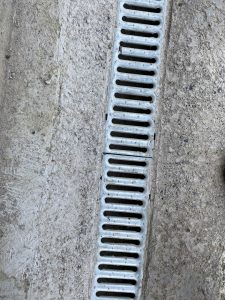
First, check for visible signs of water pooling or seepage; these are the most obvious indicators. If you’re seeing water stains on your walls or floors, it’s a clear sign that water is getting in somewhere.
Also, take note if you discover any mold or mildew, as these can indicate an ongoing dampness issue.
Secondly, pay attention to the air quality. A musty or damp smell is often the first hint of a problem. It’s not just unpleasant; it’s a sign that water may be lurking unseen in your basement.
Lastly, look for structural changes. If your walls are bowing or floors are cracking, it’s likely due to water pressure.
Don’t ignore these signs; they’re your home crying out for help. It’s time to call a waterproofing expert.
The Dangers of a Wet Basement
You should be aware that a wet basement can pose serious health risks due to increased dampness, including respiratory issues and allergic reactions.
It’s not just about health, though; your home’s structural integrity can also be compromised by consistent moisture leading to costly repairs.
Let’s not forget, damp environments are a magnet for pests, making your basement a prime target for infestation.
Health Risks in Dampness
Lurking beneath your feet, a damp basement can pose significant health risks that you mightn’t be aware of. This hidden menace can lead to respiratory issues, allergies and even serious lung infections.
It’s not just about the discomfort of a musty smell or the inconvenience of a soggy carpet. It’s about your health and the health of your loved ones.
Dampness promotes the growth of mold and mildew. These fungi release spores into the air that can trigger allergic reactions and asthma attacks. You might notice symptoms like sneezing, skin rashes, red eyes or a runny nose.
But it’s not just allergies. Certain molds produce toxins that can lead to severe health issues, including chronic lung diseases.
Even if you don’t see mold, dampness can still harm your health. It can attract pests like dust mites and roaches, which are known to cause allergies and asthma.
It can also lead to increased humidity inside your home, making it a breeding ground for bacteria and viruses.
Don’t underestimate the dangers of a damp basement. It’s not a simple home maintenance issue; it’s a health risk.
Call a waterproofing expert today.
Structural Damage Concerns
Beyond the health risks, structural damage is another serious concern when dealing with a wet basement. Constant exposure to moisture can lead to the deterioration of your home’s foundational materials. Your home’s structural integrity relies heavily on its foundation, and a weakened foundation can be disastrous.
Think about your basement walls. They’re probably made of concrete, right? Over time, standing water can cause the concrete to crack and crumble, compromising its strength. This damage isn’t just surface-level; it can reach deep within the walls, leading to extensive repairs if not addressed promptly.
Water can also infiltrate the wooden components of your basement. Once water seeps into wood, it can cause rot and mold growth, both of which weaken the wood’s structural integrity. This can lead to sagging floors, warped walls, and in severe cases, total collapse.
Lastly, consider the soil surrounding your home. Too much water can make the soil expand, exerting pressure on your home’s foundation. This can cause cracks to form and walls to bow, which can lead to costly repairs.
Moisture Attracts Pests
Not only does a damp basement pose serious structural risks, but it also invites unwanted guests into your home. Moisture creates an ideal environment for pests. It’s a haven for critters like cockroaches, ants, termites, and rodents, all of which are drawn to the wet, dark conditions.
Your basement’s dampness serves as a water source for these pests. It’s like rolling out a welcome mat for them. They’ll invade your space, multiply rapidly, and before you know it, you’ve got an infestation on your hands. The damage they can cause ranges from gnawing on your property to spreading diseases.
Additionally, pests contribute to the growth of mold and mildew. Their droppings and decomposing bodies provide a rich source of nutrients for fungi. This can further exacerbate your basement’s moisture issues and escalate health risks for you and your family.
Ignoring this problem won’t make it go away. It’s crucial to address the issue head-on. Get a waterproofing expert to inspect your basement. They’ll identify the source of the moisture and recommend effective solutions to keep your basement dry and pest-free.
Common Causes of Basement Flooding
You mightn’t realize that your own home’s plumbing system can be a prime culprit in basement flooding.
Failures in this system, whether from old age or improper maintenance, often lead to unexpected leaks.
Additionally, if your property lacks adequate drainage solutions, you’re setting your basement up to become a soggy mess during heavy rainfalls.
Plumbing System Failures
Plagued by water seeping into your basement? It might not be a leaky foundation or poor drainage, and you could be dealing with plumbing system failures. It’s an issue that’s far from uncommon and one that’s equally frustrating.
Faulty plumbing can be a major culprit, from the inconspicuous slow leaks to the dramatic pipe bursts. Even the smallest leak can cause significant damage over time, soaking into walls and floors, creating a perfect breeding ground for mould and mildew.
| Potential Plumbing Failures | Signs | Consequences |
|---|---|---|
| Pipe Leaks | Wet spots on walls or floor | Wall and floor damage, mould growth |
| Water Heater failures | Pooling water around the heater | Water damage, potential flooding |
| Sewer Backup | Foul smell, slow drains | Serious flooding, potential health hazards |
Don’t wait until you’re knee-deep in water. Be vigilant for these signs. Remember, a stitch in time saves nine. It’s essential to call in a waterproofing expert when you notice any of these red flags. They’ll not only fix the immediate problem but can help you prevent future basement flooding due to plumbing system failures.
Inadequate Drainage Solutions
While a faulty plumbing system can certainly wreak havoc on your basement, another common cause of flooding is inadequate drainage solutions. When your home’s drainage system doesn’t function as well as it should, it can leave your basement vulnerable to water damage.
Drainage issues can stem from a variety of sources. Let’s consider a few of the most prevalent ones:
- Poor Landscape Design: If your yard slopes towards your home instead of away from it, rainwater could easily find its way into your basement.
- Clogged Gutters and Downspouts: When gutters and downspouts are clogged with leaves and debris, rainwater overflows and pools around your foundation, seeping into your basement.
- Insufficient or Damaged Drain Pipes: If your home’s drain pipes are too small, blocked, or in poor condition, they can’t effectively divert water away from your home.
- No Sump Pump: A sump pump is an essential part of a basement drainage system. Without one, water can accumulate in the basement during heavy rainfalls or snow melts.
It’s important to get the right drainage solutions in place to prevent basement flooding. A waterproofing expert can help assess your needs and create an effective plan.
Professional Vs. DIY Waterproofing
In the domain of basement waterproofing, one challenging decision homeowners often face is whether to hire a professional or venture into the world of do-it-yourself (DIY) solutions.
It’s a tough call, and it’s essential that you weight both options carefully.
On one hand, DIY methods can be cost-effective and provide a certain level of satisfaction from completing the task yourself.
There’s no shortage of tutorials and guides available online to help you. However, without the right expertise and tools, you could end up causing more damage, turning a minor issue into a major one.
It’s also time-consuming, and the end result mightn’t be as effective as you’d hoped.
On the other hand, hiring a professional means you’re getting someone with extensive experience and the right tools for the job.
They’ll be able to diagnose the issue accurately, provide a solution that’s effective and long-lasting, and save you the time and effort.
However, it’ll cost more than a DIY approach.
In the end, the choice depends on your budget, your comfort with DIY, and the severity of the issue.
If it’s a minor leak, you might manage with a DIY solution.
But if it’s a major issue, it’s best to call in the pros.
Selecting a Reliable Waterproofing Expert
Should you decide to leave your basement waterproofing to the professionals, your next step is to find a dependable expert. This isn’t a task to take lightly, as the expert’s skills will determine how effectively your basement is protected against water damage.
- Experience Matters: Look for a waterproofing expert with years of experience under their belt. They’ll have the knowledge to handle a variety of waterproofing situations.
- Licensed and Insured: Verify the expert is licensed and insured. This protects you from liability in case of accidents during the waterproofing process.
- Positive Reviews: Check out reviews and testimonials from past clients. High praise from satisfied customers is a good sign.
- Transparent Pricing: A reliable expert won’t shy away from discussing costs upfront. They should provide a detailed estimate that includes labor, materials, and any additional fees.
The Waterproofing Process Explained
Diving into the waterproofing process, it’s important to have a solid understanding of what to expect.
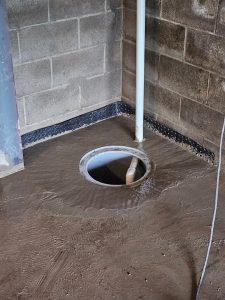
Initially, the expert will conduct a thorough assessment of your basement to identify the source of the water intrusion. They’ll meticulously inspect both the interior and exterior of your foundation for cracks, structural issues, or drainage problems.
Once they’ve pinpointed the problem, they’ll propose a tailored solution. This might involve the application of waterproofing sealants, the installation of a sump pump, or even excavation for more severe cases.
Remember, each home is unique and what works for one mightn’t work for another.
Next, they’ll start the actual waterproofing work. This will entail preparing the area, applying the selected waterproofing method, and ensuring it’s correctly installed or applied.
This phase can be quite labor-intensive and may last several days, depending on the extent of the water issue.
Long-term Benefits of Basement Waterproofing
After resolving the immediate water issues with the help of a waterproofing expert, you’ll start to notice the numerous long-term benefits. These benefits go beyond the mere prevention of future water damage. They encompass a wide range of improvements that can greatly enhance your home life.
- Increased Home Value: A waterproofed basement adds substantial value to your home. Prospective buyers are always more inclined to houses with waterproofed basements as it eliminates the risk of future water damage.
- Enhanced Living Space: Waterproofing converts your basement from a damp, unusable space into a dry, comfortable area that can be used for various purposes, like a home office or a playroom for the kids.
- Improved Indoor Air Quality: Damp basements often breed mold and mildew, which can degrade your home’s air quality. Waterproofing eliminates this problem, improving the overall health of your household.
- Lower Energy Costs: A damp basement can make your home’s heating and cooling system work harder, increasing your energy bills. By waterproofing, you’ll achieve more efficient energy consumption, leading to lower energy costs.
With these benefits, it’s clear that basement waterproofing is an investment you won’t regret.
Frequently Asked Questions
What Is the Average Cost of Professional Basement Waterproofing?
You’re probably wondering about the cost of professional basement waterproofing. On average, you’re looking at around $3,000 to $5,000. However, it’s essential to remember prices can vary based on the size and condition of your basement.
Is Waterproofing Covered by Homeowners Insurance?
Typically, your homeowner’s insurance won’t cover waterproofing costs. It’s designed to assist with sudden, unexpected damages, not maintenance issues. Check your policy’s specifics, though, as some may offer a degree of coverage for water damage.
How Long Does the Waterproofing Process Typically Take?
Wondering about the duration of the waterproofing process? It’s typically a few days to a week, depending on your basement’s condition. But remember, it’s quality over speed you’re after, so don’t rush your expert.
What Maintenance Is Required After Waterproofing?
After waterproofing, you’ll need to check the sump pump regularly, clean the gutters, and inspect for cracks. You won’t have to do much, but consistent maintenance is key to long-lasting protection.
Are There Any Environmentally Friendly Waterproofing Methods?
Yes, there are. You’d want to look for methods that use non-toxic, water-based sealants. They’re effective, eco-friendly, and don’t emit harmful gases. Always ask your waterproofing expert about green options.
Did you know 98% of homes with basements will experience some type of water damage? Don’t let your home be part of this statistic. A professional waterproofing expert doesn’t just fix leaks; they enhance your home’s value and improve your health by preventing mold growth. With their tailored solutions, they transform your damp basement into a dry, safe space. So, don’t delay. Protect your home’s integrity and your family’s well-being by calling a waterproofing expert today.

Giulio and Jennifer Bevilacqua are the dedicated and passionate owners of Highlander Waterproofing, a trusted name in basement waterproofing and foundation repair. With a commitment to protecting homes and ensuring the safety and well-being of families, Giulio and Jennifer have built Highlander Waterproofing into a premier service provider in the region. Their hands-on approach, combined with years of industry expertise, has helped them earn a stellar reputation for delivering reliable and effective waterproofing solutions.
The Bevilacquas pride themselves on offering personalized service, using proven techniques, and employing a team of highly trained professionals who share their dedication to quality workmanship. As a family-owned and operated business, Giulio and Jennifer emphasize integrity, transparency, and a genuine concern for their clients’ needs. They believe in building lasting relationships with their customers by ensuring each project is completed to the highest standards. Highlander Waterproofing continues to thrive under their leadership, offering innovative solutions and exceptional customer service that homeowners can depend on.