


While a leaky faucet and a waterlogged basement might seem worlds apart, they’re both problems rooted in water where it shouldn’t be. You’ve noticed the signs, the damp spots, maybe even a bit of mold. But understanding the process of waterproofing your basement from start to finish isn’t just about identifying these issues. It’s about finding the right solutions – be it interior sealants, sump pumps, or exterior waterproof barriers – and maintaining them. But how do you choose the right method, and what does maintenance look like? Let’s explore it.
Recognizing Basement Moisture Signs
Invisible to the untrained eye, the subtle signs of basement moisture often go unnoticed. Yet, you shouldn’t underestimate the importance of being able to detect them. Early detection can save you considerable time, money, and hassle down the line.
Start by checking for damp spots on the walls or floor. Don’t ignore any damp, musty smells either. These are often the first indicators of a moisture problem.
Peeling paint or efflorescence, a white powdery substance, can also signal moisture intrusion.
During your inspection, look out for mold growth, which thrives in a moist environment. Mold poses a significant health risk and its presence is a clear sign of excessive moisture.
Also, watch for signs of wood rot. If you’ve noticed any wood in your basement feeling soft or crumbling easily, it’s likely due to moisture damage.
Lastly, don’t overlook structural issues. Cracked or bowing walls can be symptoms of water damage, and so can a sagging floor.
Knowing what to look for is the first step in tackling basement moisture problems. The next step involves understanding the root causes, which is the focus of our next discussion.
Causes of Basement Water Problems
Understanding the causes of basement water problems is essential in maintaining a dry, healthy living space.
You might encounter issues stemming from water sources, such as rainwater seepage or groundwater pressure.
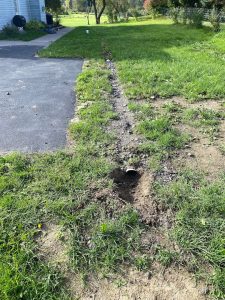
The effects of poor drainage, too, can exacerbate these problems, leading to significant damage if left unchecked.
Identifying Water Source Issues
Before delving into the techniques of basement waterproofing, it’s vital to get a grip on the root causes that lead to water problems in your basement.
First off, let’s examine rain or groundwater. If the soil around your home is unable to absorb all the water from heavy rains or melting snow, it’s likely that the excess water will find its way into your basement. This is especially true if your home’s foundation isn’t properly sealed or if the ground slopes towards your home.
Secondly, internal sources are another common contributor to basement water issues. These can include plumbing leaks, condensation, or even a faulty sump pump. Unnoticed or unresolved, these issues can lead to significant water accumulation in your basement.
Lastly, remember that water follows the path of least resistance. This means if there are cracks or gaps in your basement walls or floors, water will inevitably seep through.
Identifying these water source issues is a vital first step in effectively waterproofing your basement and preserving the structural integrity of your home. So, it’s worth taking the time to thoroughly investigate before proceeding with any waterproofing measures.
Effects of Poor Drainage
Having identified the potential sources of water seepage in your basement, it’s important to now consider the role of inadequate drainage in exacerbating these issues. Poor drainage, you see, can notably compound the problem of basement water problems.
Firstly, it’s essential to understand that poor drainage often results in water pooling around your home’s foundation. This creates a pressure known as hydrostatic pressure, which can force water into your basement, even through the smallest cracks. Over time, this can lead to structural damage, compromising the stability, safety, and value of your property.
Furthermore, poor drainage doesn’t just affect your basement. It can also indirectly impact the rest of your home. Surplus moisture can lead to higher humidity levels, creating an ideal environment for mold and mildew growth. This not only poses a health risk for those in your household but can also cause unpleasant odors and damage to materials.
Lastly, poor drainage can lead to soil erosion around your property. This can alter the landscape of your yard and can even affect the stability of your home.
Hence, ensuring proper drainage isn’t just about preventing water from entering your basement, it’s about protecting your entire home and your health.
Initial Inspection and Assessment
Starting with the initial inspection, you’ll want to identify potential issues that may be causing your basement to take on water.
This stage involves evaluating the severity of any damage found, from minor leaks to major structural issues.
Once you’ve assessed the extent of the problem, the next step is to propose suitable solutions tailored to your specific situation.
Choosing the Right Waterproofing Method
In the world of basement waterproofing, deciding on the right method can feel like maneuvering through a maze with no clear exit. Nevertheless, don’t let this deter you. Various methods are available, each with their own strengths and weaknesses tailored to different scenarios.
Your first step should be to identify your basement’s specific issues. Is it a simple condensation problem, or is there actual water leakage? The type of problem you’re dealing with will dictate the solution.
Next, consider your budget. Some methods are more cost-effective than others, but they may not provide the extensive protection your basement needs. It’s a delicate balance between cost and effectiveness.
Furthermore, think about the future. If you’re planning on selling your home, a more thorough and professional waterproofing job can boost your property’s value. On the other hand, if you’re planning on living there for many years, you might prioritize durability and longevity.
Lastly, consult with a professional. They can offer you insights and recommendations based on their experience, taking into account your unique circumstances. Making the right choice isn’t easy, but it’s essential for your home’s health and your peace of mind.
Interior Waterproofing Explained
Having considered the various factors influencing your choice of a waterproofing method, you might find that interior waterproofing emerges as a suitable solution. This process, often chosen for its cost-effectiveness and less invasive nature, primarily involves managing water once it’s made its way into your home, as opposed to preventing it from entering in the first place.
One common method of interior waterproofing is the application of sealants. You’d use these to cover cracks and other areas where water might seep in. They’re not a foolproof solution, but they can certainly help mitigate dampness.
Then, there’s interior water drainage. This is a more thorough solution, where a drain is installed beneath the basement floor to collect water and channel it away from your home. This method’s often preferred due to its effectiveness and relatively lower cost compared to exterior methods.
Lastly, you could also consider a sump pump installation. This device pumps out water that collects in a sump basin, preventing it from rising to problematic levels.
Exterior Waterproofing Details
While interior methods may appeal due to their cost-effectiveness, it’s essential not to overlook the role of exterior waterproofing in your overall strategy. This process involves applying a waterproof barrier to the outside walls of the basement to prevent water from infiltrating the structure.
It’s a robust solution, generally more expensive and labor-intensive than interior methods, but it’s often more effective at keeping water out in the beginning.
When it comes to exterior waterproofing, several key components come into play. To start, a waterproof membrane is applied to the exterior walls. This membrane, commonly made of rubberized asphalt, acts as a physical barrier against water. It’s self-adhesive and forms a continuous, unbroken seal over the wall.
Then, protection boards are installed over the membrane. They’re robust and durable, typically made from dense, extruded polystyrene. They protect the membrane from damage during backfilling and from the pressure of the soil.
It’s important to note, however, that exterior waterproofing isn’t a one-size-fits-all solution. Depending on the specific characteristics of your property, such as soil type and groundwater levels, different methods may be more appropriate.
Thus, always consult with a waterproofing professional to determine the best approach for your situation.
Implementation of Drainage Systems
Three main types of drainage systems can play a pivotal role in your basement waterproofing strategy. These are the interior, exterior, and baseboard drainage systems.
Interior drainage systems are installed along the perimeter of your basement floor. They’re designed to intercept water as it seeps in and funnel it away from your basement. The installation process is less invasive than exterior systems, often making it a preferred choice for homeowners.
Exterior drainage systems, on the other hand, are installed around the outside of your foundation. They’re designed to stop water before it penetrates your basement walls. While this method is more effective at preventing water entry, it’s also more costly and time-consuming to install.
Baseboard drainage systems serve as a less invasive, more cost-effective alternative. They’re installed along the base of your basement walls, collecting water that makes it past the exterior system and directing it away from your basement.
Each system has its own advantages, and the best choice for you’ll depend on your specific needs and circumstances.
It’s recommended to consult with a waterproofing professional to determine the most suitable drainage system for your home.
The Importance of Sump Pumps
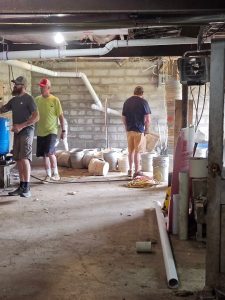
Now, let’s turn our attention to the critical role of sump pumps in the basement waterproofing process.
You need to understand its functionality, how it’s installed and maintained, and its pivotal role in preventing basement flooding.
This knowledge guarantees that you’re well-equipped to safeguard your basement against potential water damage.
Sump Pump Functionality
Understanding the functionality of sump pumps is fundamental in the basement waterproofing process. These devices play a vital role in keeping your basement dry, especially during periods of heavy rainfall or snowmelt.
A sump pump is basically a small pump installed in the lowest part of your basement or crawlspace. Its main job is to keep the area under the building dry and prevent it from flooding.
Here’s how it works: Water flows into the sump pit either through drains or from natural water migration through the soil. The sump pump then pumps the water away from your house and into a municipal storm drain or a well.
The sump pump is activated by a float switch. When the water level in the sump pit rises above a certain point, the switch turns on the pump. If the water level drops below the switch level, the pump is turned off.
It’s a simple, yet highly effective system.
Installation and Maintenance
Proper installation and regular maintenance of your sump pump are fundamental steps in safeguarding your basement from any potential water damage. It’s a significant measure that shouldn’t be overlooked in your basement waterproofing process.
Firstly, confirm that the sump pump is correctly installed. The placement of your sump pump is essential; it should be positioned in the lowest part of your basement or crawlspace for peak performance.
It’s also important to verify that the discharge line is free from obstructions and correctly directed away from your home to prevent water from flowing back into your basement.
Maintaining your sump pump is just as important as its installation. Conduct regular checks to verify that it’s operating correctly, especially during wet seasons when it’s most needed.
This involves inspecting the float switch for any malfunctions, verifying that the pump is discharging water effectively, and cleaning out any debris that might obstruct the pump’s operation.
Don’t neglect the importance of the backup system either. Power outages can occur, especially during heavy storms.
Having a battery-operated backup sump pump could be the difference between a dry basement and a flooded one. Remember, prevention is always better than cure.
Maintenance Tips Post-Waterproofing
After waterproofing your basement, routine upkeep becomes your new best friend. The longevity of your waterproofing system largely depends on the maintenance efforts you put in. So, it’s important to take time to inspect your waterproofed basement regularly.
Firstly, check for any signs of water leaks or dampness. Even the smallest leak can, over time, compromise your waterproofing system. If you find any, it’s vital to address them immediately. Don’t let small problems turn into big ones.
Secondly, keep an eye on your sump pump. This device is a key player in keeping your basement dry. Make sure it’s working correctly, and if it’s not, have it repaired or replaced promptly.
Lastly, it’s a good idea to periodically clean and declutter your basement. Excess items can trap moisture, leading to potential dampness and mold growth.
A clean, well-ventilated basement is less prone to these issues.
So, you’ve taken the plunge to protect your home’s foundation, huh? Now that you’ve got the lowdown on basement waterproofing, remember, it’s not a ‘one and done’ job. Regular upkeep is key to avoiding those sneaky leaks and pesky damp spots. Keep an eye out, maintain that sump pump, and seal any new cracks pronto! Here’s to a dry, mold-free basement and the peace of mind that comes with it.

Giulio and Jennifer Bevilacqua are the dedicated and passionate owners of Highlander Waterproofing, a trusted name in basement waterproofing and foundation repair. With a commitment to protecting homes and ensuring the safety and well-being of families, Giulio and Jennifer have built Highlander Waterproofing into a premier service provider in the region. Their hands-on approach, combined with years of industry expertise, has helped them earn a stellar reputation for delivering reliable and effective waterproofing solutions.
The Bevilacquas pride themselves on offering personalized service, using proven techniques, and employing a team of highly trained professionals who share their dedication to quality workmanship. As a family-owned and operated business, Giulio and Jennifer emphasize integrity, transparency, and a genuine concern for their clients’ needs. They believe in building lasting relationships with their customers by ensuring each project is completed to the highest standards. Highlander Waterproofing continues to thrive under their leadership, offering innovative solutions and exceptional customer service that homeowners can depend on.