


You’ve noticed a crack in your foundation. It’s common to see small, hairline fractures, but when should you actually start worrying? If the crack is wider than 1/8 inch, runs at an angle or horizontally, or if you’re noticing doors that stick or floors that slope, you might be dealing with a serious issue. Ignoring these signs isn’t an option; the potential risks are too great. But how do you discern normal wear from a structural nightmare? Let’s explore this together.
Key Takeaways: When Foundation Cracks Require Immediate AttentionKey Takeaways
- Worry about a foundation crack when it’s horizontal or at an angle, indicating serious soil movement and structural stress.
- If crack width is uneven, it suggests differential settlement, a severe structural concern requiring immediate attention.
- Be concerned about diagonal cracks near doors and windows; these signal structural stress and require ongoing monitoring.
- Cracks wider than 1/8 inch, accompanied by doors not closing, bulging walls, or sloped floors, necessitate immediate professional assessment.
- Ignoring foundation cracks can lead to increased structural instability, water damage, decreased property value, and severe health risks.
Understanding Foundation Cracks
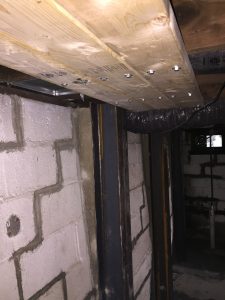
While you may dismiss small, innocuous foundation cracks as mere cosmetic flaws, it’s crucial to understand their potential implications. They often indicate deeper, structural problems, and comprehending crack patterns and soil movement can help you diagnose these issues accurately.
Crack patterns, for instance, reveal a lot about the underlying issues. Vertical cracks, which are generally less serious, often result from the house settling over time. However, horizontal or angled cracks might signal serious soil movement, which can jeopardize the structural integrity of your home.
Soil movement around your foundation is a primary cause of cracks. When the soil expands and contracts due to changes in moisture and temperature, it puts pressure on your foundation, leading to cracks. Unchecked, these cracks can widen, threatening the stability of your home.
Keep in mind, though, that not all cracks imply disaster. Some are indeed cosmetic, caused by minor shrinkage of the concrete. But it’s always better to get a professional opinion. They can analyze the crack patterns and potential soil movement, ensuring you’re not ignoring a ticking time bomb under your home.
Common Types of Foundation Cracks
Understanding the common types of foundation cracks can provide crucial insights into the health of your home’s structure. These cracks can indicate severe structural damage, potential waterproofing issues, or even soil erosion. The key here is being able to identify and differentiate the types of foundation cracks.
- Shrinkage cracks: Typically, these are thin, vertical cracks that occur as the concrete dries and shrinks. They’re usually not a major concern unless they lead to waterproofing issues.
- Settlement cracks: These can be vertical, diagonal, or even stair step cracks. They occur when your home’s foundation settles due to changes in the surrounding soil.
- Heaving cracks: These are serious and occur when the soil expands upwards, pushing against the foundation.
Other types include horizontal cracks, which can indicate significant structural stress, and thermal cracks, caused by extreme temperature changes.
It’s important to remember that while some cracks might seem unimportant, they can lead to significant, costly damage if ignored. So, keep an eye out for any changes and seek professional advice when in doubt.
Causes of Foundation Cracks
Now that you’ve learned about the common types of foundation cracks, it’s essential to understand their causes.
Identifying foundation cracks is just the start; you also need to comprehend the underlying triggers. From soil pressure changes to poor construction, several factors can lead to these structural damages.
Identifying Foundation Cracks
Peering at that peculiar crack in your foundation, you might feel a pang of unease.
But don’t let anxiety get the best of you. Instead, take a proactive stance by conducting a thorough crack assessment.
The first step in identifying foundation cracks involves a comprehensive visual inspection.
Remember, not all cracks spell disaster. Some are merely cosmetic, while others may signal more severe structural issues. Your goal is to discern which is which.
To help you in your assessment, keep these three key factors in mind:
- Size of the Crack: Generally, cracks wider than 1/8-inch can be a cause for concern.
- Direction of the Crack: Vertical or diagonal cracks typically aren’t as serious as horizontal ones.
- Location of the Crack: Cracks at corners or where walls and ceilings meet may indicate a significant issue.
Underlying Crack Triggers
Having evaluated the size, direction, and location of your foundation crack, you might wonder what caused it in the first place. Two primary culprits often play a role: soil movement and water drainage.
Soil movement is an integral factor. It’s the earth’s natural tendency to shift over time, and these movements can exert pressure on your house foundation. If the soil around your home expands and contracts due to changes in moisture content, it can cause the foundation to crack.
Clay soil, in particular, is notorious for this as it expands when wet and shrinks when dry.
Water drainage is another key player. Improper water drainage can lead to an accumulation of moisture around your home’s foundation. This excess water can weaken the soil and create pressure against the foundation, resulting in cracks.
If your home is on a slope or lacks adequate guttering, it’s more susceptible to this issue.
The Danger of Ignoring Cracks
Ignoring foundation cracks can lead to disastrous repercussions for your property. You mightn’t think much of a small crack now, but it’s the long-term consequences you should be worried about.
Let’s delve into the dangers of neglecting foundation cracks.
- Structural Instability: Over time, small cracks can expand, compromising your building’s stability.
And, as the cracks grow, the risk of collapse increases. This isn’t an overstatement, it’s a fact backed by structural engineering studies.
- Water Damage: Cracks provide an entry point for water.
This can lead to mold, rot, and other moisture-related problems. Not only are these issues costly to fix, but they can also pose serious health risks.
- Decreased Property Value: If you’re planning on selling your property, visible cracks can significantly decrease its value.
Buyers are wary of potential structural issues and will likely negotiate a lower price.
Ignoring foundation cracks isn’t just about aesthetics, it’s about the potential for serious structural issues, health risks, and financial loss.
Addressing these issues promptly can save you a lot of trouble and expense in the long run.
Signs of Serious Foundation Damage
Now, let’s turn our attention to the signs of serious foundation damage.
You’ll need to understand major crack indicators and how to evaluate the impact on your home’s structural integrity.
We’re about to explore these crucial aspects, which will equip you with the knowledge to take appropriate actions when faced with potential foundation issues.
Identifying Major Crack Indicators
In the realm of home maintenance, identifying major crack indicators is a crucial task. It’s not just about noticing a crack but really understanding its severity. So, how do you make this crack assessment accurately?
Here are three critical signs to watch for:
- Horizontal cracks – While vertical cracks are often due to settling, horizontal cracks can signify serious pressure from soil or water pushing against the wall, which can lead to severe foundation damage.
- Uneven crack width – If a crack starts narrow and widens as it runs along, it’s a sign of differential settlement, which can severely compromise your foundation.
- Cracks running in a stair-step pattern – This is commonly seen in brick or concrete block walls and can indicate significant shift in your foundation.
Don’t overlook these indicators. They’re not just cosmetic issues; they’re signs of potential severe structural problems.
Evaluating Structural Integrity Impact
Three serious signs of foundation damage that directly impact the structural integrity of your home warrant immediate attention.
First, diagonal cracks running from the corners of doors and windows are particularly indicative of significant structural stress. The crack analysis here involves measuring the width and monitoring any changes.
Second, horizontal cracks are another alarming signal. Often found on basement walls, they’re usually caused by soil pressure. A structural assessment should quickly be performed if you notice such cracks, as they can lead to total wall failure.
Lastly, vertical cracks that widen over time or are larger at one end than the other are a definitive sign of serious foundation shifting. This form of uneven settlement is typically due to changes in the soil underneath your home.
When to Consult a Professional
Spotting a crack in your home’s foundation can be unsettling. The immediate questions that pop in your mind revolve around seriousness, safety, and repair costs.
While minor, superficial cracks mightn’t warrant heavy concern, you should definitely consider a professional assessment for certain situations.
Here are three key scenarios that warrant immediate attention:
- If the crack is wider than 1/8 of an inch.
- If it’s horizontal or at a 45-degree angle.
- If it’s accompanied by other signs of foundation distress, such as doors that won’t close properly, bulging walls, or floors that slope.
In these cases, a professional crack evaluation can provide you with an accurate assessment of the damage and the necessary steps to fix it.
Professionals have the expertise to distinguish between cosmetic cracks and those indicative of serious structural issues. They’ll also be able to advise if the crack is increasing in size, which would suggest ongoing movement and potential future problems.
Preventing Future Foundation Cracks
To prevent future foundation cracks, taking proactive measures is essential. Your primary focus should be on crack prevention and moisture control, as these two factors influence the longevity of your foundation.
Firstly, you must ensure proper drainage around your home’s perimeter. Water pooling near your foundation can create pressure, which eventually leads to cracks. Therefore, slope the ground away from your home, use gutters and downspouts to direct water away from the foundation, and consider using a French drain system for further protection.
Next, pay attention to your home’s humidity levels. High humidity can lead to condensation, which can damage your foundation over time. Invest in a good quality dehumidifier and maintain a relative humidity level between 30% to 50% inside your home.
Lastly, control soil movement around your foundation. In areas with expansive soils, changes in soil moisture can cause significant soil movement, contributing to foundation cracks.
Plant trees and shrubby at a safe distance from your home to limit root-induced soil displacement.
Repairing Existing Foundation Cracks
If you’ve noticed cracks in your foundation, immediate action is crucial. Neglecting these signs could lead to severe structural issues in the future. But don’t panic, there are ways to fix this problem.
Crack sealing is an effective method for repairing minor, non-structural cracks. This process involves the application of a waterproof sealant into the crack, preventing water from seeping through and causing further damage.
However, for more severe, structural cracks, you may need to consider an epoxy injection. This method fills the entire crack with a strong, adhesive resin, restoring the foundation’s original strength and stiffness.
But before you start, remember these three points:
- Identify the severity of the crack. Non-structural cracks are often less than 1/8 inch wide, while structural cracks are wider and extend through the wall.
- Always clean the crack and surrounding area before applying any repair method. This ensures a stronger bond.
- Monitor the crack after repair. If it continues to grow or new cracks develop, consult a professional immediately.
Frequently Asked Questions
What Are the Estimated Costs of Foundation Crack Repairs?
You’ll need to consider several cost factors when estimating foundation crack repairs.
These include crack size, location, and the repair techniques used. Smaller cracks might cost a few hundred dollars to fix, while major ones could run into thousands.
Injecting epoxy or polyurethane might be cheaper, but if structural issues are present, you may need piers or underpinning, increasing the cost.
Always consult a professional for accurate estimates.
How Long Does a Typical Foundation Crack Repair Take?
The duration of a foundation crack repair can vary greatly. It largely depends on the type of crack and the repair materials used.
Hairline cracks might only take a few hours to patch up, while larger, structural cracks could require several days.
If you’re dealing with multiple cracks or those that require more complex solutions, you’re looking at a week or more.
It’s best to get a professional assessment for an accurate timeline.

Can DIY Methods Effectively Fix Minor Foundation Cracks?
Yes, DIY methods can fix minor foundation cracks effectively, but it’s crucial to understand crack types and appropriate repair materials.
Hairline and small non-structural cracks may be remedied with sealant or hydraulic cement. However, larger structural cracks require professional intervention.
Always assess the severity, location, and type of crack before attempting any repair.
Will Home Insurance Cover Foundation Crack Repairs?
Whether your home insurance covers foundation crack repairs depends on your specific policy and the cause of the damage.
If it’s a sudden event like a flood or earthquake, you’re likely covered.
However, if it’s due to normal wear and tear or poor maintenance, you’re probably out of luck.
Always check your policy’s exclusions carefully.
It’s crucial to understand what’s covered and what isn’t before a problem arises.
Does Weather Affect the Pace of Foundation Crack Development?
Yes, weather does affect the pace of foundation crack development.
Changes in weather patterns, particularly fluctuations between dry and wet conditions, can alter soil moisture levels.
When it’s dry, your soil shrinks, causing your foundation to shift.
But when it’s wet, your soil expands, exerting pressure on your foundation.
This constant push and pull can lead to cracks.
Don’t ignore foundation cracks wider than 1/8 inch, or those showing horizontal or angled patterns. These could signal serious structural issues. Accompanying signs like sticking doors, uneven floors, or bulging walls should raise your alarm. Ignoring these can lead to increased damage, safety risks, and a drop in property value. Consult a professional for timely evaluation and repair, and take steps to prevent future cracks. Stay vigilant to maintain your property’s safety and value.

Giulio and Jennifer Bevilacqua are the dedicated and passionate owners of Highlander Waterproofing, a trusted name in basement waterproofing and foundation repair. With a commitment to protecting homes and ensuring the safety and well-being of families, Giulio and Jennifer have built Highlander Waterproofing into a premier service provider in the region. Their hands-on approach, combined with years of industry expertise, has helped them earn a stellar reputation for delivering reliable and effective waterproofing solutions.
The Bevilacquas pride themselves on offering personalized service, using proven techniques, and employing a team of highly trained professionals who share their dedication to quality workmanship. As a family-owned and operated business, Giulio and Jennifer emphasize integrity, transparency, and a genuine concern for their clients’ needs. They believe in building lasting relationships with their customers by ensuring each project is completed to the highest standards. Highlander Waterproofing continues to thrive under their leadership, offering innovative solutions and exceptional customer service that homeowners can depend on.