


You’ve just experienced a significant rainstorm and there, in your foundation, you see new cracks. Now, it’s natural to feel a twinge of panic. However, it’s important to remember that not all cracks are created equal. Some are relatively harmless, simply cosmetic imperfections while others might signal more serious structural issues. So, how can you tell the difference? What should be your next step? If you’ve found yourself in this situation, it’s time to explore what these new cracks could mean for your home’s health and your peace of mind.
How to Monitor, Document, and Address Post-Rainstorm Foundation CracksKey Takeaways
- Monitor the new foundation cracks for size and growth direction, especially noting changes after subsequent rainstorms.
- Inspect your property for drainage issues, as poor drainage can lead to water accumulation and increased pressure on the foundation.
- Document the appearance and progression of the cracks for future reference and professional evaluation.
- Seek a foundation repair specialist for an assessment, as new cracks after a rainstorm may indicate serious underlying issues.
- Consider preventive measures like enhancing soil stability, improving drainage systems, and installing a sump pump to mitigate future damage.
Understanding Foundation Cracks
The mystery of foundation cracks often leaves homeowners bewildered. You may look at the confusing network of lines and wonder about crack types and appropriate repair methods. Let’s delve into the matter to offer you some clarity.
Cracks typically fall into three categories: hairline, vertical, and horizontal. Hairline cracks aren’t much of a structural concern, but they’re often a gateway for moisture and pests.
Vertical cracks, usually less than 1/8 inch wide, may indicate settling or movement in the foundation. Horizontal cracks are the most dangerous, suggesting severe pressure on your foundation walls.
Repair methods depend on the crack type. For hairline cracks, you’d generally use a simple sealant.
Vertical cracks require a more complex method called epoxy injection. This involves filling the crack with a material that hardens to restore the wall’s integrity.
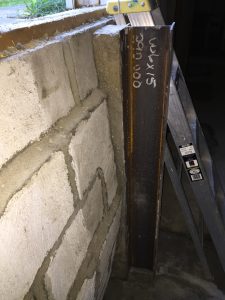
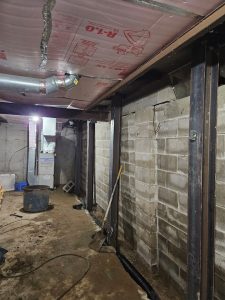
Horizontal cracks, being most concerning, may necessitate significant structural repairs, including reinforcement with steel or even wall replacement.
Understanding the types of foundation cracks and their corresponding repair methods gives you the knowledge to address these issues confidently and efficiently.
Remember to always consult with a professional for accurate diagnosis and repair.
Causes of New Foundation Cracks
You might wonder what causes new cracks in your foundation after a rainstorm.
It’s often a result of ground saturation, where excessive water weakens the soil around your foundation, causing instability.
Additionally, hydrostatic pressure and poor drainage can exacerbate the issue, leading to significant structural damage over time.
Understanding Ground Saturation
After a heavy rainstorm, it’s not uncommon for new foundation cracks to appear. You might be wondering why. The answer lies in understanding the concept of ground saturation. This refers to the process by which soil absorbs water, and its capacity to retain this moisture.
Your soil composition plays a significant role in this process. Different soils have different capacities for moisture retention. For instance, sandy soils drain quickly and retain less water compared to clay soils, which can hold onto water for longer periods.
It’s this retained water that causes the soil to expand and contract, often leading to new foundation cracks.
Now, imagine the impact of a heavy rainstorm on this process. The soil becomes overwhelmed with water, and its moisture retention capacity is pushed to the limit. This leads to increased soil expansion, putting pressure on your foundation.
When the rain stops and the soil dries, it contracts. It’s this cycle of expansion and contraction that’s likely causing your new foundation cracks.
Hydrostatic Pressure Impact
An overwhelming amount of new foundation cracks can be attributed to the impact of hydrostatic pressure. This pressure occurs when water accumulates in the soil around your home’s foundation, especially after heavy rainfall. As the soil expands, it exerts pressure against the foundation walls, leading to cracks.
Hydrostatic pressure isn’t a trivial issue. It’s a potent force that can compromise the structural integrity of your house. The more the soil expands, the greater the hydrostatic pressure will be. This pressure isn’t just a one-time event following a rainstorm; it’s a recurring problem every time the soil becomes saturated.
Understanding the relationship between soil expansion and hydrostatic pressure is critical in preventing foundation cracks. If the soil around your home has a high clay content, it will expand more when wet, increasing the hydrostatic pressure. Be mindful of this, especially if you live in an area prone to heavy rains or flooding.
Addressing the impact of hydrostatic pressure isn’t merely about fixing the cracks; it’s about managing the root cause – water accumulation and soil expansion. If you don’t, you’re bound to see new cracks after every rainstorm.
Poor Drainage Consequences
Coupled with the destructive power of hydrostatic pressure, poor drainage systems can significantly exacerbate foundation problems in your home.
When your property lacks effective drainage solutions, the aftermath of a rainstorm isn’t just a soggy lawn. It’s a potential breeding ground for long-term structural issues.
Rainwater needs to be directed away from your home’s foundation. If it’s not, water accumulates, saturates the soil, and creates excess pressure on your foundation walls. This can lead to the creation or widening of cracks, ultimately weakening your home’s structural integrity.
Soil erosion is another significant consequence of poor drainage. As water flows unchecked across your yard, it carries topsoil with it. This erosion can alter the ground’s slope, redirecting more water towards your home and further worsening the situation.
In the end, the consequences of neglecting your home’s drainage needs can be severe, from foundation cracks to compromised structural security.
Proper drainage solutions aren’t just a luxury; they’re a necessity for maintaining the safety and longevity of your home.
Don’t wait until after the storm to address these issues. Be proactive, and protect your home from the risks of poor drainage.
Impact of Rainstorms on Foundations
You’ve seen how rainstorms can create new foundation cracks.
Now, let’s consider the broader impacts of these storms on your home’s foundation.
Recognizing post-rainstorm cracks will aid in maintaining the structural integrity of your property.
Rainstorm Effects on Foundations
When a rainstorm hits, your home’s foundation doesn’t just shrug it off. Instead, the storm can lead to a myriad of issues that can seriously impact the stability of your home.
It’s essential to understand how rainstorms affect foundations to prevent future damage and potential hazards.
- Soil Erosion: Rainstorms can lead to soil erosion around your home. The water washes away the soil, leading to gaps where your foundation was once supported, causing foundation settlement.
- Water Pooling: Without proper landscape grading and drainage systems, water can pool around your home. This increases moisture levels, contributing to soil compaction, which can add pressure on your foundation, leading to cracks.
- Weather Fluctuations: Rainstorms often come with significant weather fluctuations. The rapid change in temperature and moisture can cause the ground to expand and contract quickly, affecting the stability of your foundation.
- Drainage Systems: If your home’s drainage systems aren’t functioning correctly, a rainstorm can exacerbate existing issues. Excess water can oversaturate the soil, leading to an unstable base for your foundation.
Identifying Post-Rainstorm Cracks
Having understood how rainstorms can affect your home’s foundation, it’s equally important to learn how to identify the aftermath – foundation cracks.
Post-storm, you’ll need to be vigilant in spotting these signs, as they can seriously compromise your home’s structural integrity.
Primarily, you’ll need to watch for hairline fractures. These are thin, almost invisible cracks that typically appear in the concrete or brickwork of your foundation.
They might seem insignificant, but hairline fractures can let in water, leading to more serious damage over time.
Also, keep an eye out for wider, more noticeable cracks. These are a clear indication of a compromised foundation and require immediate attention.
Don’t dismiss these as mere cosmetic issues; they’re often a sign of deeper structural problems.
Identifying Serious Cracks
Almost every homeowner will encounter foundation cracks at some point, but not all cracks are created equal.
You need to distinguish between simple hairline fractures and serious cracks that can compromise your home’s structural integrity. Understanding crack types and their potential repair methods can help you gauge the severity of the situation.
- Vertical cracks: Often the least concerning, but should still not be ignored. They usually occur due to the house settling over time. Common repair methods include epoxy injections or sealing.
- Diagonal cracks: Typically caused by differential settling, where one side of the house settles faster than the other. Repairs might involve underpinning or piering to stabilize the foundation.
- Horizontal cracks: Usually a serious sign of pressure from soil or water pushing against the foundation wall. These may require substantial repairs, such as installing structural supports or excavating and rebuilding the wall.
- Stair-step cracks: Often seen in brick or concrete block walls. These can indicate significant movement and may require extensive work, such as wall bracing, or in worst cases, total wall replacement.
Immediate Actions to Take
Spotting a foundation crack in your home can be a heart-stopping moment. But don’t panic. Your immediate actions can make a significant difference in managing the situation effectively.
Firstly, start crack monitoring. You’ve to keep a watchful eye on the crack’s size and direction of growth. It’s also vital to note any changes after subsequent rainstorms. This information is crucial in understanding the severity of the problem and deciding on repair options.
Here’s a quick guide for your immediate actions:
| Action | Reason |
|---|---|
| Monitor the crack | To track changes in size and direction |
| Note changes after rainstorms | To understand the impact of water on the crack |
| Research repair options | To prepare for possible interventions |
| Avoid DIY fixes | To prevent further damage |
Hiring a Foundation Repair Specialist
Navigating through the process of hiring a foundation repair specialist can be daunting, especially when you’re dealing with a vulnerable home foundation.
With the right knowledge, however, you can turn this complex task into a simple one. It’s about understanding the importance of foundation assessments and knowing what contractor qualifications to look for.
Your first step should be to request a detailed foundation assessment. This inspection will provide you with important information about the condition of your home’s foundation and the extent of the damage caused by the rainstorm.
Here are four key factors to consider when hiring a foundation repair specialist:
- Experience: Look for contractors who’ve been in the business for several years and have a track record of successful repairs.
- Credentials: Ensure they’re licensed, insured, and bonded – these are non-negotiables for a professional contractor.
- Customer Reviews: Check online reviews to see what past clients have to say about their work quality and customer service.
- Estimates: Get detailed quotes from at least three contractors to compare prices and understand the scope of the repair.
Long-term Prevention Strategies
To safeguard your home from future rainstorm-induced foundation issues, five crucial prevention strategies should be deployed.
First, preventive maintenance is key. Regularly check your home’s drainage system. Should you notice any blockages or damage, make sure you fix them promptly. This prevents water from pooling around your foundation, a major cause of cracks.
Second, consider soil stabilization. A stable soil base around your foundation reduces the risk of shifting, which often results in cracks. By adding specific compounds or plants, you can improve soil stability.
Third, install a sump pump. It’s an effective tool to remove excess water from your basement, mitigating the chance of water damage to your foundation.
Fourth, apply a waterproofing sealant to your foundation. It’s an additional layer of protection against moisture infiltration.
Lastly, invest in gutters and downspouts. They direct rainwater away from your foundation, reducing the chances of saturation and consequent foundation damage.
Benefits of Regular Foundation Checks
Maintaining the integrity of your home’s foundation is a crucial part of homeownership. You might wonder, ‘why are regular foundation inspections important?’ Well, these checks play a significant role in preserving the structural integrity of your property.
Here are four key benefits of regular foundation checks:
- Early Detection: Regular inspections can spot small issues before they become major problems. You’ll be able to address minor cracks or shifts in the foundation, potentially saving you thousands in repairs down the line.
- Preserve Home Value: A home with a sound foundation retains its market value. Prospective buyers will have confidence in such a property, knowing it’s structurally sound.
- Safety: A secure foundation ensures your home’s overall safety. It protects against potential hazards, like collapsing walls or ceilings.
- Peace of Mind: With regular checks, you’ll sleep better knowing your home’s foundation is in good condition.
In essence, regular foundation inspections are an investment, not a cost. They ensure the structural integrity of your home, offering safety, preserving value, and providing peace of mind.
Frequently Asked Questions
Can Foundation Cracks Cause Significant Structural Damage to My House?
Yes, foundation cracks can indeed cause significant structural damage to your house.
They’re a serious threat to your home’s foundation stability and overall structural integrity. If left unchecked, these cracks can expand, leading to severe and costly repairs.
It’s essential to address this issue promptly. By doing so, you’re taking preventative measures to maintain your home’s safety, health, and longevity.
Don’t underestimate the potential impact of foundation cracks.
How Much Does It Typically Cost to Repair Foundation Cracks?
If you’re spotting foundation cracks, you’re likely wondering about repair costs.
These can vary greatly, depending on the severity of the damage and the repair method used. Minor crack repairs can start around $500, while major repairs can exceed $10,000.
Factors affecting cost include the size and location of the cracks, and whether they’re structural or surface.
It’s best to get a professional evaluation for a precise estimate.
Can I Fix Minor Foundation Cracks on My Own Without a Professionals Help?
Yes, you can tackle minor foundation cracks on your own.
DIY repairs like crack sealing are possible with the right tools and knowledge. However, it’s crucial to understand the type and severity of the crack.
Surface cracks might be manageable, but deeper ones could indicate serious issues. If you’re unsure, it’s better to consult a professional.
Are There Specific Types of Soil That Are More Prone to Causing Foundation Cracks?
Yes, certain soil types are more prone to causing foundation cracks.
Expansive clay soils can expand when wet and contract when dry, leading to movement that can damage your foundation.
Likewise, sandy soils can cause drainage issues, leading to water pressure against your foundation.
It’s important to understand your soil type and manage drainage effectively to prevent these issues.
What Are the Potential Health Risks Associated With Living in a House With Foundation Cracks?
If you’re living in a house with foundation cracks, you’re potentially exposing yourself to some health risks.
These cracks can promote mold growth, especially in damp conditions. Over time, this mold can negatively impact your indoor air quality.
You might experience allergic reactions or respiratory issues. It’s crucial to address these cracks early to prevent mold buildup and ensure you maintain a healthy living environment.
When you spot new foundation cracks post-rainstorm, don’t shrug it off. They could be signs of serious underlying issues. Keep track of their size and direction, as they might indicate water accumulation or hydrostatic pressure concerns. Consult a foundation repair specialist promptly, as timely action can prevent further damage. Regular foundation checks are beneficial for the long-term structural integrity of your home. Remember, an ounce of prevention is worth a pound of cure.

Giulio and Jennifer Bevilacqua are the dedicated and passionate owners of Highlander Waterproofing, a trusted name in basement waterproofing and foundation repair. With a commitment to protecting homes and ensuring the safety and well-being of families, Giulio and Jennifer have built Highlander Waterproofing into a premier service provider in the region. Their hands-on approach, combined with years of industry expertise, has helped them earn a stellar reputation for delivering reliable and effective waterproofing solutions.
The Bevilacquas pride themselves on offering personalized service, using proven techniques, and employing a team of highly trained professionals who share their dedication to quality workmanship. As a family-owned and operated business, Giulio and Jennifer emphasize integrity, transparency, and a genuine concern for their clients’ needs. They believe in building lasting relationships with their customers by ensuring each project is completed to the highest standards. Highlander Waterproofing continues to thrive under their leadership, offering innovative solutions and exceptional customer service that homeowners can depend on.