


Imagine standing ankle-deep in water, your precious belongings soaking, and your basement transformed into an unexpected indoor pool. You wouldn’t want this nightmare to turn into reality, would you? Our Ultimate Guide to Basement Waterproofing Systems is an essential resource that offers you thorough solutions, from understanding the root of water intrusion to implementing effective waterproofing strategies. It’s more than just keeping your basement dry; it’s about protecting your home’s overall value, structural integrity, and your peace of mind. You’d be surprised at what you can uncover when you take a closer look at your basement’s vulnerabilities.
Understanding Basement Water Problems
Water, a seemingly benign element, can transform into a homeowner’s nightmare when it finds its way into the basement. This invasion may be subtle, with small puddles forming after a heavy rain, or it could be dramatic, with a sudden flood. Whatever the case, you’re dealing with a basement water problem.
Understanding why water seeps into your basement is essential. Your home’s foundation, while solid and dependable, isn’t impervious. Over time, it can develop cracks due to shifting soil, freeze-thaw cycles, or hydrostatic pressure. Water readily exploits these weaknesses, creeping into your basement and creating a damp, musty environment.
Poorly graded landscapes can also direct water towards your home, increasing the likelihood of basement water problems. If your gutters and downspouts aren’t doing their job, that rainwater isn’t being guided away from your house. Instead, it’s pooling around your foundation, pressuring it to let water in.
Lastly, consider your basement windows and their seals. If they’re old or poorly fitted, they could be letting moisture in. It’s a simple oversight that can lead to significant water issues.
Importance of Basement Waterproofing

Addressing the potential water problems in your basement through waterproofing is an essential step in maintaining a secure and healthy home environment.
It’s not just about keeping your basement dry but also protecting the structural integrity of your home.
Consistent moisture can cause considerable damage to your basement, leading to expensive repairs.
It can lead to the growth of mold and mildew, which can cause severe health problems to you and your family.
Mold and mildew thrive in damp environments and can quickly spread throughout your home, affecting air quality and increasing the risk of respiratory ailments.
Furthermore, a wet basement can lead to structural instability.
Over time, water seeping into your basement can erode the foundation of your home, causing walls to bow and floors to crack.
This can also depreciate the value of your home considerably.
Types of Basement Waterproofing Systems
There are several types of basement waterproofing systems that you can choose from, each designed to effectively keep your basement dry and safe from potential water damage.
The right system for you largely depends on your specific needs and the unique characteristics of your basement.
Interior waterproofing is often the most affordable and easiest to install. It primarily deals with managing water that’s already made its way into your basement, using sealants and coatings to stop moisture and minor leaks.
Exterior waterproofing, on the other hand, is a more extensive process. It involves excavating around your house to install a waterproof barrier and drainage system that prevents water from entering your basement in the first place.
Another popular option is a drainage system, which can be either interior or exterior. This system guides water away from your foundation, keeping it from causing damage.
Lastly, there’s the water-resistant paint, a simple, yet effective solution for mild dampness. However, it isn’t suitable for more severe water issues.
In the end, the type of system you choose should be based on your specific situation, including your budget, the severity of your water problem, and the construction of your home.
Steps in Implementing Waterproofing
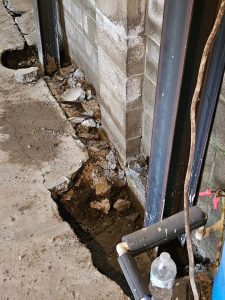
Once you’ve chosen the ideal basement waterproofing system for your home, it’s time to move on to the implementation process. This stage is significant to guarantee your system works effectively and efficiently.
First, you’ll need to clear the basement area. Remove any furniture, appliances, and stored items to provide an unobstructed workspace.
If you’re installing an interior waterproofing system, you’ll then need to remove a section of the basement floor along the perimeter walls.
Next, you should clean and prep the area. This involves removing any loose debris and cleaning the surfaces where the system will be installed.
It’s important to make certain the area is dry before you start the installation process.
Once the area is prepped, you can start installing the system. Follow the manufacturer’s instructions carefully.
You may need to seal cracks, install drainage systems, or apply waterproofing membranes.
Lastly, it’s imperative to test the system. This usually means running water through the system to confirm it’s working correctly.
If you notice any issues, don’t hesitate to contact a professional. Remember, the goal is to prevent future water damage, so it’s crucial to make sure everything is functioning properly.
Maintaining Your Waterproofing System
In spite of the robustness of your basement waterproofing system, regular maintenance is essential to guarantee its long-term effectiveness. Without it, even the most solid system can deteriorate over time, leading to potential water damage and costly repairs.
Firstly, keep an eye out for any visible signs of damage, such as leaks or cracks, particularly after heavy rain or snow. Respond promptly if you notice anything unusual. It’s imperative to repair cracks immediately to prevent water intrusion.
Secondly, clean and inspect your sump pump regularly. It’s a hard-working component of your waterproofing system, and if it fails, it could lead to basement flooding. Make sure it’s working correctly and free of debris that could impede its function.
Thirdly, keep your gutters and downspouts clean and clear. They direct water away from your foundation, so making sure they’re not blocked is a key part of maintaining your waterproofing system.
Lastly, consider having a professional inspect your system annually. They’ll have the expertise to spot potential problems you might miss and can advise on necessary repairs or improvements.
You’ve got the scoop on basement waterproofing systems, mate! Don’t let water woes sink your ship. Remember, choosing the right system is key, but maintenance is the true ace up your sleeve. Scan your deck regularly for water signs and tackle any issues head-on. With this guide in your arsenal, you’re ready to protect your hold and keep your treasure – your home – safe and dry. Now, full steam ahead!

Giulio and Jennifer Bevilacqua are the dedicated and passionate owners of Highlander Waterproofing, a trusted name in basement waterproofing and foundation repair. With a commitment to protecting homes and ensuring the safety and well-being of families, Giulio and Jennifer have built Highlander Waterproofing into a premier service provider in the region. Their hands-on approach, combined with years of industry expertise, has helped them earn a stellar reputation for delivering reliable and effective waterproofing solutions.
The Bevilacquas pride themselves on offering personalized service, using proven techniques, and employing a team of highly trained professionals who share their dedication to quality workmanship. As a family-owned and operated business, Giulio and Jennifer emphasize integrity, transparency, and a genuine concern for their clients’ needs. They believe in building lasting relationships with their customers by ensuring each project is completed to the highest standards. Highlander Waterproofing continues to thrive under their leadership, offering innovative solutions and exceptional customer service that homeowners can depend on.