


You might not give it much thought, but your home’s foundation is key to its stability and longevity. According to home inspectors, identifying foundation issues early on can save you from a host of structural problems down the line. They’ll point out signs like wall cracks or uneven floors, but it’s their detailed report that you’ll find most enlightening. It’s not just about diagnosing the problem, but understanding the causes and potential fixes. The question is, are you ready to explore what your foundation is telling you?
Foundation Inspection Takeaways for HomeownersKey Takeaways
- Home inspectors identify foundation issues via signs like cracks, uneven floors, and moisture problems.
- Soil assessment around the foundation is vital for evaluating its impact on stability.
- Inspectors use specialized tools like moisture meters and level surveys for thorough inspection.
- A detailed inspector’s report can reveal hidden foundation issues, saving costly future repairs.
- Inspectors ensure compliance with building codes and safety during the inspection process.
Understanding Foundation Issues

Foundation issues are a homeowner’s nightmare. They’re not just a cosmetic concern, but they can also cause serious structural damage to your home. The key to maintaining foundation stability lies in understanding the soil composition around your property.
You see, different types of soil have varying capacities to bear weight and react differently to moisture. Sandy soil, for example, drains water well, reducing the risk of water damage to the foundation. However, it can shift easily under heavy loads, compromising your home’s stability.
On the other hand, clay soil retains water and expands when wet, exerting pressure on your foundation. Over time, this can lead to cracks and other foundation issues.
It’s also crucial to consider soil depth. Shallow soil layers may not adequately support your foundation, especially if the soil is loose or unstable. Deep, well-compacted soil provides a more stable base, minimizing the risk of settling or shifting.
Ultimately, understanding the nature and characteristics of your soil can help you predict potential foundation issues.
Role of Home Inspectors
You’ll find that home inspectors play a crucial role in identifying foundation problems.
Their meticulous observations and reports can reveal hidden issues, potentially saving you from costly repairs down the line.
Let’s explore the importance of their work and how they pinpoint these foundation concerns.
Importance of Home Inspectors
A staggering number of homeowners underestimate the critical role of home inspectors in identifying potential foundation issues. You may think they’re just another cog in the buying or selling process, but in truth, their importance factors far beyond that.
Home inspectors, particularly those with top-notch qualifications, act as your first line of defense against hidden, costly problems. They bring technical expertise to the table, able to spot signs of trouble that you, as a homeowner, might overlook.
Trained to scrutinize every nook and cranny of the house, they identify risks and provide a detailed report, giving you a clearer picture of your home’s condition.
Don’t be swayed by the temptation to skip this step in the name of saving money. The initial cost of hiring a skilled inspector can save you thousands in future repairs.
It’s crucial you look into their qualifications before hiring. Ensure they’re licensed, insured, and have a track record of thorough inspections.
Identifying Foundation Problems
When it comes to unearthing foundation problems, home inspectors really earn their stripes. They’re trained to spot signs like foundation cracks, indicative of settlement problems. They understand how soil erosion, often exacerbated by drainage issues, can undermine a structure’s base.
Inspectors monitor moisture levels that, when too high, can lead to structural integrity problems. They’re aware of how seasonal changes can affect a foundation, causing expansion and contraction that may lead to cracks.
Home inspectors also rely on a variety of inspection techniques to identify these problems, from visual assessments to advanced technology.
The significance of their role doesn’t stop at identifying problems. They’re also knowledgeable about building codes, ensuring your home complies with local regulations.
Plus, they’re familiar with various repair methods, able to recommend the most effective solutions to address any foundation issues found.
Common Signs of Foundation Problems
Spotting the early signs of foundation problems can save you from costly repairs down the line. One of the first signs you might notice are cracked walls. These can be horizontal, vertical, or diagonal, indicating different types of stress.
Alongside this, if you’re noticing uneven floors, it could suggest a foundation heaving issue.
Another common sign of foundation problems is water pooling around the structure, which often leads to basement leaks. This persistent dampness can turn into mold growth if not addressed promptly, further threatening the structural integrity.
Sagging doors and windows that don’t close correctly may also indicate foundation issues.
Outside the house, keep an eye on the soil around your home’s foundation. Soil erosion can lead to settlement cracks in the concrete, signaling a potential problem.
Moreover, pest infestations, particularly termites, can be a sign of foundation damage, as these pests are attracted to the moisture from basement leaks.
Causes of Foundation Damage
Now that you’re aware of the common signs of foundation problems, it’s crucial to understand the causes behind these issues.
Identifying foundation problems requires a keen eye and a basic understanding of common sources of damage.
We’re going to examine these sources, which include everything from poor construction methods to natural disasters, to give you a comprehensive understanding of what can compromise your home’s foundation.
Identifying Foundation Problems
Surprisingly, a large number of homeowners overlook the significance of foundation issues, often misconstruing them as minor cosmetic problems. Yet, proper crack assessment can reveal severe structural concerns.
Your home’s foundation integrity is contingent on various factors, including soil conditions, drainage systems, building codes, and more. To identify problems, you’ll need a keen eye and an understanding of foundation types and settlement types. It’s also necessary to have a working knowledge of inspection tools used in this process.
Key indicators that point to foundation issues include:
- Unusual moisture levels in your home
- Visible cracks in walls, floors, or the foundation itself
- Doors or windows that stick or won’t close properly
- Uneven or sloping floors
- Gaps around window frames or exterior doors
These signs often hint at deeper issues and necessitate immediate attention. For instance, excessive moisture levels might indicate poor landscape grading or faulty drainage systems.
Recognizing these signs early can save you from costly repair techniques down the line. It’s crucial to go beyond surface appearances when dealing with potential foundation problems. Understand the signs, know when to call in professionals, and safeguard your home’s structural integrity.
Common Foundation Damage Sources
Understanding the common sources of foundation damage is integral to maintaining your home’s structural integrity. One prevalent cause is soil erosion, which can be due to poor water drainage. Over time, water washes away the soil supporting your foundation, causing it to crack and shift.
Similarly, poor grading can lead to water pooling around your home, escalating the problem.
Tree roots can also pose a threat. As they grow, they can exert pressure on your foundation, leading to cracks.
Seismic activity, too, can cause significant damage, especially in areas prone to earthquakes.
Freeze-thaw cycles create another hazard. Water in the soil can freeze, expand, and then thaw, leading to soil movement that affects the foundation. This is particularly problematic with expansive clay, which swells when wet and shrinks when dry, causing instability.
Construction defects, such as inadequate foundation depth or poor-quality materials, can directly lead to foundation problems.
Hydrostatic pressure, or the pressure exerted by a fluid due to gravity, also contributes to foundation damage, causing settlement cracks.
How Inspectors Evaluate Foundations
While it may seem complex, the process of evaluating foundations is a task that home inspectors are expertly trained to conduct.
With a range of foundation evaluation techniques and foundation inspection tools at their disposal, they can accurately assess the health of your home’s foundation.
Here are five standard steps they take:
- They begin by conducting a visual inspection of the foundation, looking for visible signs of damage such as cracking, bowing, or moisture issues.
- Next, they use specialized foundation inspection tools, like moisture meters and crack monitors, to gather precise data.
- A level survey might be performed to assess if there’s any uneven settling.
- They may also check the soil around the foundation. Soil composition can greatly affect a foundation’s stability.
- Finally, they compile and analyze their findings to deliver an accurate assessment.
Throughout this process, inspectors rely heavily on technical skills, keen observation, and extensive knowledge about structural integrity.
It’s crucial to trust this process, as it’s the first step in identifying potential foundation issues.
Implications of Foundation Issues
What happens when foundation issues go unresolved? The implications are far from trivial. You’re risking the overall foundation stability of your home, which is vital to its structural integrity. Left unchecked, these issues don’t just sit idle; they progress, often at a rapid pace.
Foundation problems can lead to uneven floors, cracks in walls and ceilings, doors and windows that don’t close properly, and even plumbing issues. The more these problems persist, the bigger the threat to your home’s structural integrity. Essentially, the whole structure is in jeopardy.
Think of your home’s foundation as its backbone. Just as your spine supports your body, your foundation supports your home. When it’s compromised, everything else is too. You’re not just looking at superficial damage; you’re facing the potential for major structural issues that can significantly devalue your property and, in severe cases, make it unsafe to live in.
Ignoring foundation issues is akin to turning a blind eye to a ticking time bomb. It’s not a question of if it will explode, but when. The longer you wait, the more the stability of your foundation is compromised, leading to dire consequences for your home’s structural integrity.
Remedies for Foundation Problems
Despite the grim implications of foundation issues, you’re not without options for remediation. There’s a suite of solutions at your disposal, each tailored to address specific problems.
Here are some remedies you can consider:
- Crack Sealing: This involves filling in the cracks using special sealants. It’s a stop-gap measure to prevent further damage.
- Drainage Solutions: Improving the building’s drainage system can reduce water infiltration, which often causes foundation problems.
- Underpinning Methods: This strengthens your existing foundation to better support the structure. Helical piers are often used in this process.
- Soil Stabilization: This approach involves altering the soil properties to improve its load-bearing capacity.
- Slab Jacking: Here, a concrete mixture is pumped under the slab to lift it back to its original level.
Further, foundation waterproofing can help prevent future issues.
However, the repair timelines depend on the severity of the damage and the chosen remedy. Contractor selection is key – you need someone who’s skilled and experienced.
While cost analysis is important, don’t let it compromise the quality of the repair. Remember, a stitch in time saves nine!
Cost Implications of Foundation Repair
After determining the most effective remedy for your foundation issues, you’ll then have to grapple with the financial aspect of the repair process. Repair costs can vary widely, influenced by factors such as the severity of the damage, your choice of contractor, and regional variations in labor and material costs.
Consider your financing options. Some homeowners may opt for a DIY solution to save on labor costs. However, this approach may result in additional long-term expenses if the repairs aren’t done properly. Weigh the potential value depreciation against the cost of professional repairs, keeping in mind that investment protection should be a priority.
Insurance coverage for foundation repair is typically limited, so it’s important to understand what your policy covers. Warranty considerations should also factor into your decision-making process.
| Repair Method | Cost Implication |
|---|---|
| DIY solutions | Lower upfront costs but potential long-term expenses |
| Contractor services | Higher upfront costs but potential investment protection |
| Insurance coverage | Limited coverage, potential out-of-pocket expenses |
Ultimately, your decision should balance cost-effectiveness with the long-term stability of your home.
Maintaining a Healthy Foundation
Ever considered how crucial it is to maintain a healthy foundation for your home? It’s not just about preventing visible cracks or damages. A robust foundation ensures the overall structural integrity of your home.
Here are some foundation maintenance tips to consider:
- Seasonal Inspections: Conduct these regularly to detect any potential issues early on. Spotting problems ahead of time can shorten repair timelines.
- Soil Moisture Management: Keep the soil around your foundation consistently moist to prevent expansion and contraction that could cause cracks.
- Landscaping Considerations: Be cautious about where you plant trees and shrubs. Their roots can affect your foundation’s stability.
- Drainage Solutions: Proper drainage prevents water from pooling around your foundation, a common cause of foundation damage.
- Structural Integrity Checks: Hire a professional to assess your foundation’s strength periodically. They can suggest preventive measures if needed.
Frequently Asked Questions
What Are the Types of Professionals Who Can Repair Foundation Issues?
You’ve got a couple of options when it comes to professionals who can repair foundation issues.
Structural engineers are one type; they’ll analyze and design the repair of your home’s structure.
Foundation contractors are another choice. They’re the ones who’ll actually perform the necessary work, like concrete repairs or installing piers.
Both professions have unique skills, so you’ll want to choose based on your home’s specific needs.
Do All Insurance Policies Cover Foundation Repair Costs?
No, not all insurance policies cover foundation repair costs.
It’s crucial you understand your policy’s limitations. Often, coverage hinges on the cause of the damage. If it’s due to a covered peril like fire or theft, you’re likely covered.
However, if it’s due to normal wear and tear or neglect, you’re probably out of luck. Always review your policy closely and consult with your insurance provider to clarify coverage.
Can Foundation Issues Affect a Homes Resale Value?
Yes, foundation issues can significantly affect a home’s resale value.
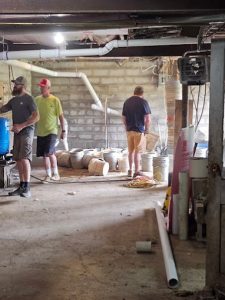
If you’re selling, it’s crucial to address any foundation damage beforehand. Potential buyers may be deterred by the looming cost and hassle of repairs.
Moreover, severe structural problems can make a property unsellable. It’s not just about aesthetics; foundation issues can lead to further complications, like plumbing problems.
How Long Does a Typical Foundation Repair Take to Complete?
You’re asking about the typical repair duration for foundation issues.
It’s not a one-size-fits-all answer. Depending on the severity of the damage, repairs can take anywhere from a few days to several weeks.
It’s crucial you don’t rush this process. Ensuring foundation stability is a detail-oriented, technical task that requires patience.
A rushed job can lead to more problems down the line, so let the professionals take the time they need.
Are There Preventive Measures to Avoid Future Foundation Problems?
Absolutely, you can avoid future foundation problems through preventive measures.
It’s crucial to practice good soil management, ensuring it’s not too dry or overly saturated. Implementing proper drainage solutions helps to avoid water pooling around your foundation.
Your landscaping practices also matter; avoid planting large trees too close to your home.
Regularly inspect for cracks and address them promptly.
These proactive steps can save you from costly repairs down the line.
In sum, you shouldn’t overlook foundation issues. They can lead to serious structural damage if not addressed early. Home inspectors play a key role in detecting these problems, using their expertise and tools to evaluate your home. Understanding the signs, causes, and remedies is crucial for maintaining a healthy foundation. Remember, the cost of repair can be significant, but it’s a worthwhile investment for the longevity of your home.

Giulio and Jennifer Bevilacqua are the dedicated and passionate owners of Highlander Waterproofing, a trusted name in basement waterproofing and foundation repair. With a commitment to protecting homes and ensuring the safety and well-being of families, Giulio and Jennifer have built Highlander Waterproofing into a premier service provider in the region. Their hands-on approach, combined with years of industry expertise, has helped them earn a stellar reputation for delivering reliable and effective waterproofing solutions.
The Bevilacquas pride themselves on offering personalized service, using proven techniques, and employing a team of highly trained professionals who share their dedication to quality workmanship. As a family-owned and operated business, Giulio and Jennifer emphasize integrity, transparency, and a genuine concern for their clients’ needs. They believe in building lasting relationships with their customers by ensuring each project is completed to the highest standards. Highlander Waterproofing continues to thrive under their leadership, offering innovative solutions and exceptional customer service that homeowners can depend on.