


As you watch the leaves change colors and fall, have you ever considered the impact they could have on your basement? What might appear as a harmless seasonal event can actually lead to significant issues if not properly managed. Those leaves, when they accumulate in your gutters, can impede water flow, causing it to pool around your home’s foundation. This can lead to moisture seeping into your basement, fostering mold growth and potentially causing structural damage. So, what can you do to prevent this? Let’s explore.
Key Takeaways: Prevent Basement Flooding from Leaf-Clogged Gutters
- Accumulated fall leaves in gutters can cause water overflow, leading to basement flooding and potential structural damage.
- Decomposing leaves in gutters create mold-friendly environments, increasing the risk of basement dampness and associated health hazards.
- Clogged gutters can attract pests that migrate to basements, potentially exacerbating existing issues.
- Regular gutter cleaning, especially during fall, is crucial to prevent leaf accumulation, ensuring proper water flow away from the foundation.
- Utilizing strategies like gutter guards and leaf screens can prevent debris accumulation, reducing maintenance frequency and mitigating risks of basement flooding.
Understanding the Leaf-Gutter-Basement Connection
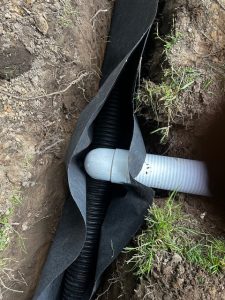
Ever wondered how a seemingly harmless pile of fall leaves can cause havoc in your basement? It starts with leaf decomposition, a natural process that, while beneficial to the environment, can be detrimental to your home’s structure.
When leaves accumulate in your gutters, they begin to break down, retaining moisture and forming a thick, sludgy mess. This moisture retention not only causes your gutters to become heavy and prone to damage, but also creates a perfect breeding ground for mold and mildew.
The damage doesn’t stop there. The water trapped by the decomposing leaves has nowhere to go but down, often seeping into the foundation of your home. Over time, this excess moisture can make its way into your basement, causing a host of problems such as dampness, unpleasant odors, and even structural damage.
It’s also worth noting that the decomposing leaves can attract pests, which often seek out moist, dark spaces to nest and breed. These pests can easily find their way from your gutters into your basement, further exacerbating the problems caused by moisture.
The Role of Gutters in Home Maintenance
From time to time, homeowners often underestimate the importance of gutters in home maintenance. A well-functioning gutter system can drastically improve water drainage and moisture control, safeguarding your home’s foundation and preventing basement flooding.
- Gutter Types & Materials: Different gutter materials (aluminum, vinyl, steel) offer varying degrees of durability and resistance. You need to choose the right type based on your local climate and home inspections.
- Seasonal Maintenance: It’s vital to keep your gutters clean and free from debris. Regular seasonal maintenance ensures that water flows freely, reducing the risk of water seeping into your basement.
- Gutter Installation & Downspout Placement: Professional gutter installation ensures optimal performance. The slope, size, and downspout placement directly affect how effectively your system channels water away from your home.
The downspouts should extend at least 5 feet from your house to prevent water pooling.
- Roof Overhangs & Exterior Landscaping: Proper roof overhangs and strategic landscaping can help to guide water away from your home, further enhancing the performance of your gutter system.
How Fall Leaves Clog Your Gutters
While you’re admiring the beauty of fall foliage, it’s crucial to remember that these falling leaves can lead to serious problems for your gutters.
Leaf accumulation is a common issue during the fall season, with wind and rain driving leaves into your gutters. This can result in a serious gutter blockage, restricting your gutter’s ability to divert water away from your home.
Seasonal maintenance is vital in preventing this issue. Regularly scheduled debris removal can help prevent the buildup of leaves, ensuring that your gutters remain clear and operational.
Ignoring this task can lead to severe drainage issues, as water that can’t be diverted away from your home may find its way into your basement.
Home inspections can also play a crucial role in maintaining your gutters. A professional can spot potential problems before they become serious, providing you with a plan for preventive measures.
This might include installing gutter guards or more frequent cleaning during the fall season.
Consequences of Ignoring Clogged Gutters
Ignoring clogged gutters can lead to serious, expensive consequences for your home. Here’s why:
- Gutter Overflow: When gutters can’t drain properly due to debris, water overflows. This overflow can lead to water pooling near your home’s foundation, compromising its structural integrity.
- Foundation Erosion: Over time, water pooling can erode your foundation. Even minor foundation erosion can lead to costly repairs and potentially jeopardize your home safety.
- Basement Moisture: Overflowing gutters also contribute to basement moisture. The water seeps through the foundation, leading to dampness in your basement. This not only damages your basement’s structure but also promotes mold growth, which can affect your family’s health.
- Drainage Issues: Clogged gutters hinder effective drainage, especially during heavy rains. This can lead to water damage in different parts of your home.
Don’t underestimate the importance of seasonal maintenance. Ignoring clogged gutters might seem inconsequential, but the aftermath can be detrimental.
The Link Between Gutters and Basement Damage
You mightn’t see the connection between gutters and basement damage at first, but it’s crucial to understand this dynamic.
When gutters aren’t doing their job properly, often due to fall leaves clogging them, the resultant water spillage can lead to significant basement damage.
Understanding Gutter’s Role
A properly functioning gutter system, your home’s unsung hero, plays a vital role in preventing basement damage. The gutter design is crucial for effective water flow, directing rainwater away from your home’s foundation. This is pivotal in ensuring the structural integrity of your property.
- Gutter materials and installation tips: Opt for durable materials that can withstand seasonal changes. Your installation should ensure a slight slope towards the downspouts for efficient water flow.
- Drainage systems and overflow prevention: Make sure your gutters connect to a well-planned drainage system. This helps prevent overflow which can lead to basement flooding.
- Filtration systems and debris management: Invest in gutter guards or filtration systems. These prevent leaves and debris from blocking the gutters, ensuring free water flow.
- Seasonal maintenance: Regular checks and cleaning, especially during fall, are essential to maintain your gutters’ performance and longevity.
Basement Damage Causes
While maintaining your gutters is a key aspect of home care, it’s equally important to understand how neglecting this responsibility can lead to significant issues, particularly in your basement.
Your gutters play a crucial role in directing water away from your home. When leaves clog them, water can overflow, leading to a myriad of problems.
One of the most common issues is moisture intrusion. This is when water seeps into your basement, creating an ideal environment for mold growth. Over time, this can compromise the structural integrity of your home.
Additionally, water pooling around your home’s foundation can cause significant foundation damage. This isn’t only costly to repair, but also poses a risk to your home’s overall stability.
Drainage issues from clogged gutters can also lead to soil erosion around your home. This erosion can increase the hydrostatic pressure against your basement walls, leading to potential cracks and leaks.
Ultimately, this can result in further moisture intrusion and even more extensive damage. Therefore, maintaining your gutters isn’t merely a task for aesthetics, it’s a crucial step in preserving your home’s safety and value.
Preventing Basement Flooding
Without proper gutter maintenance, your home could be at a high risk for basement flooding.
Gutters play a crucial role in rainwater management, directing water away from your home’s foundation. When they’re clogged with leaves, the consequences can be devastating.
The link between gutters and basement damage is undeniable.
Here’s how you can prevent basement flooding:
- Drainage Systems and Rainwater Management: Regularly check and clean your gutters. Ensure drainage systems are functioning correctly to avert water from your home’s foundation.
- Water Barriers and Waterproofing Methods: Invest in waterproofing your basement and setting up water barriers. It’s a crucial aspect of moisture control to keep your basement dry.
- Sump Pumps: These devices pump out water that collects in your basement, offering vital foundation protection. Regular maintenance is necessary, particularly during rainy seasons.
- Landscaping Solutions and Soil Grading: Proper soil grading can help direct water away from your home. Consider landscaping solutions that offer additional protection.
Preventing Leaf-Related Gutter Problems
To safeguard your home from the adverse effects of fall leaves, you need to prioritize gutter maintenance. Leaf accumulation is a common problem during the fall season, which can obstruct water flow in your gutter system. This not only impacts the effectiveness of your drainage systems but also risks water seeping into your basement.
Preventive measures are crucial in warding off these complications. Regular debris removal is one such measure, but you might also want to consider installing gutter guards. These devices prevent leaves from settling in your gutters, reducing the need for frequent cleanups.
Seasonal maintenance is another key aspect to consider. This involves raising the inspection frequency during the fall to ensure that the gutters are functioning optimally. Pay particular attention to how the water flows during these inspections. Any blockage or slow flow indicates a problem that needs immediate attention.
Having the right cleaning tools is essential for efficient debris removal. However, don’t forget to take safety precautions while performing these tasks. Gutter maintenance can be a risky job, especially when done without the proper tools or safety measures.
Gutter Cleaning and Maintenance Tips
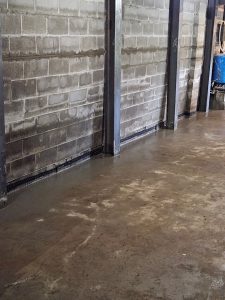 Gutter Cleaning and Maintenance Tips
Proper maintenance breathes life into your gutter system, extending its service life and enhancing its efficiency.
With different gutter types requiring unique attention, consistent and effective maintenance becomes crucial. Here’s a detailed guide to gutter cleaning and maintenance.
- Identify your gutter type: Whether you’ve got K-style, half-round, or box gutters, understanding their individual needs is necessary for effective maintenance.
- Seasonal checks: Regular checks are crucial, especially during the fall season. Leaves can accumulate, leading to blockages. A seasonal maintenance routine will prevent this.
- Cleaning: Remove all debris, leaves, and dirt from your gutters. Use a gutter scoop, a garden hose, and a sturdy ladder. Always ensure your safety first.
- Inspection for damages: Check for cracks, rust, or sagging sections in your gutters. Early detection of such issues can save you from costly repairs later.
Solutions for Leaf-Proofing Your Gutters
Five effective solutions can help you leaf-proof your gutters, ensuring optimal functioning all year round.
First, consider installing gutter guards. They’re a preventive measure that allows rainwater to flow freely while blocking leaves and debris. In addition to gutter guards, leaf screens provide another layer of protection. They’re designed to stop leaves from entering your gutters, reducing the need for frequent debris removal.
Second, practice seasonal maintenance. Regular inspections and cleanings, particularly during fall, can prevent a buildup of leaves and debris that might block your gutters. Remember, prevention is better than cure.
Third, consider modifying roof overhangs. Extended overhangs can direct falling leaves away from your gutters, minimizing the need for cleaning.
Fourth, implement effective drainage solutions. Proper rainwater management can prevent basement flooding, a common consequence of clogged gutters. Redirect downspouts away from your home to protect your basement from water damage.
Lastly, consider professional help. They’ll not only assist with debris removal but also suggest custom solutions for your specific gutter system.
Frequently Asked Questions
What Are Some Signs of Basement Damage Due to Leaf-Clogged Gutters?
You’ll notice signs of basement damage from leaf-clogged gutters by spotting water intrusion in your basement. This could be damp spots, water stains or even pooling water.
Also, you might observe foundation issues such as cracks in your basement walls or floor. If your doors and windows stick or don’t close properly, that’s another telltale sign.
Don’t ignore these symptoms; they can lead to serious problems if left unchecked.
How Often Should I Clean My Gutters During the Fall Season?
You should aim to clean your gutters at least twice during fall.
It’s best to schedule your first gutter cleaning at the start of the season, then do a follow-up cleaning before winter sets in.
This frequency ensures that leaves don’t clog your gutters, leading to water damage in your basement.
Remember, consistent seasonal maintenance helps prevent costly repairs down the line.
Are There Any Specific Gutter Designs That Are More Resistant to Leaf Clogging?
Yes, there are. Gutter guards and leaf screens are particularly beneficial for preventing leaf clogging.
Gutter guards cover the top of your gutters, reducing the amount of debris that can fall in.
Leaf screens are a type of gutter guard that specifically target leaves. They’re designed with small holes to let water through while keeping leaves out.
You’ll find these designs more resistant to leaf clogging, making your gutter maintenance easier.
How Does Rainfall Factor Into the Leaf-Gutter-Basement Issue?
When it rains heavily, the water can’t flow freely if your gutters are clogged with leaves. This causes overflow, which can lead to water seeping into your basement.
This is how rainfall impacts the leaf-gutter-basement issue. It’s not just about the leaves, it’s about how much water they’re stopping from draining away.
This can result in basement flooding, which can cause serious damage to your home.
Are There Professional Services Available for Gutter Maintenance and Basement Protection?
Yes, you’ll find professional services available for both gutter installation and basement waterproofing.
They’ll efficiently install gutters to direct water flow away from your home. For basement protection, they’ll apply waterproofing techniques to prevent moisture seepage.
It’s an investment, but you’re ensuring your home’s foundational integrity. Regular maintenance can prevent costly repairs down the line.
It’s definitely worth looking into these services for long-term home care.
So, don’t underestimate the impact of fall leaves on your home’s health. Clogged gutters can lead to basement damage due to excess moisture and mold. Regular gutter maintenance is crucial to prevent these issues and protect your home’s structure. Consider leaf-proofing solutions for your gutters to make maintenance easier. Remember, a little effort now can save you from big problems later.

Giulio and Jennifer Bevilacqua are the dedicated and passionate owners of Highlander Waterproofing, a trusted name in basement waterproofing and foundation repair. With a commitment to protecting homes and ensuring the safety and well-being of families, Giulio and Jennifer have built Highlander Waterproofing into a premier service provider in the region. Their hands-on approach, combined with years of industry expertise, has helped them earn a stellar reputation for delivering reliable and effective waterproofing solutions.
The Bevilacquas pride themselves on offering personalized service, using proven techniques, and employing a team of highly trained professionals who share their dedication to quality workmanship. As a family-owned and operated business, Giulio and Jennifer emphasize integrity, transparency, and a genuine concern for their clients’ needs. They believe in building lasting relationships with their customers by ensuring each project is completed to the highest standards. Highlander Waterproofing continues to thrive under their leadership, offering innovative solutions and exceptional customer service that homeowners can depend on.
