


Water in your basement can be a homeowner’s worst nightmare, causing damage to your property and potentially fostering mold growth. You’ve got to ensure your home’s external drainage is in top shape, the soil around your home slopes away from the foundation, and your sump pump is working efficiently. But what about the waterproofing of your basement walls and the role of landscaping in keeping your basement dry? There’s more to this than meets the eye, and it’s time to explore these elements further.
Basement Waterproofing: Essential Steps to Prevent Water IntrusionKey Takeaways
- Evaluate your home’s exterior drainage system; clear gutters and direct downspouts away from the foundation.
- Apply waterproofing sealants to the interior basement walls and install exterior waterproof barriers.
- Install a suitable sump pump system in the lowest part of your basement to handle potential water volumes.
- Implement a proper landscaping design with correct soil grading and selected plants to control water absorption.
- Regularly inspect the basement for cracks, damage, and humidity levels, performing preventive maintenance as needed.
Understanding Basement Water Issues
When dealing with water in your basement, it’s crucial to understand the root causes behind these issues. The main culprits are often moisture sources like rainwater and groundwater.
Rainwater management is key, and soil grading plays a big role in this. If the soil around your house slopes towards the foundation, it can lead to water pooling and seeping in through foundation cracks. Groundwater levels can also rise and cause issues, especially if your home’s water barriers aren’t up to par.
Drainage solutions, such as installing vapor barriers, can help tackle these problems. Vapor barriers are materials used to resist the diffusion of moisture through the wall, ceiling, and floor assemblies. They act as a shield, preventing moisture from making its way into your basement.
On the other hand, plumbing leaks can also lead to a wet basement. Regularly check for any leaks in your water lines and fix them promptly to avoid this issue.
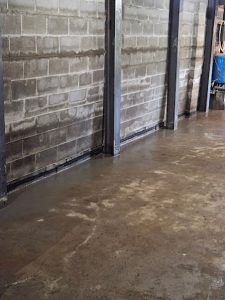
Lastly, don’t forget about humidity control. Basements are naturally humid, but if the humidity level gets too high, it can lead to condensation and moisture problems. Installing a dehumidifier can help manage this.
Evaluating Your Basement’s Drainage
While it might seem daunting, assessing your basement’s drainage is a crucial step in combating water intrusion. You’ll need to keep an eye out for areas where water pools or where dampness is persistent. These are the potential ‘weak spots’ in your basement’s drainage system.
The next step is to check your external drainage solutions. Are your gutters clear and the downspouts directing water away from your home’s foundation? A minor issue like blocked gutters can lead to significant water problems in your basement if not addressed promptly.
Also, consider your yard’s slope. Ideally, it should direct water away from your home. If it doesn’t, you might’ve to consider regrading your yard or installing additional outdoor drainage solutions.
Lastly, look for ways to incorporate water barriers into your basement’s drainage system. This could involve using water-resistant materials in your basement or installing a sump pump to remove water that collects in your basement.
Through this evaluation, you’ll be better equipped to tailor a plan that stops water from seeping into your basement.
Waterproofing Your Basement Walls
Armed with a solid understanding of your basement’s drainage, you’re now ready to tackle the next crucial step: waterproofing your basement walls. This process involves two main strategies: interior sealing and exterior barriers.
Let’s start with interior sealing. This is your first line of defense against moisture seeping into your basement. You’ll want to apply a waterproofing sealant to the inside of your basement walls. This sealant acts like a barrier, stopping water from permeating the concrete. You’ll find a range of products on the market, so do your research and pick the best one for your situation.
Now, onto exterior barriers. These work from the outside, preventing water from reaching your basement walls in the first place. This usually involves digging around the foundation of your home to install a waterproof membrane.
It’s a more labor-intensive option and may require professional help, but it provides a robust, long-term solution.
Installing a Sump Pump System
Now that you’ve waterproofed your basement walls, let’s move on to another crucial step: installing a sump pump system.
Understanding the basics of a sump pump, its installation process, and how to maintain it can save you from future water woes.
We’ll guide you through each of these points to ensure you’re well-equipped in keeping your basement dry.
Understanding Sump Pump Basics
Imagine a reliable workhorse in your basement, tirelessly protecting your home from water damage – that’s a sump pump for you. This device is vital to keeping your basement dry and your house’s structure secure. Understanding its basics will help you choose the right one for your home.
When you’re learning about sump pumps, you’ll run into two main sump pump types: submersible and pedestal. Submersible pumps are submerged in the sump pit, while pedestal pumps are above the pit with only the pump base submerged.
Here are some key factors to consider:
- Sump Pump Capacity: This refers to the amount of water the pump can handle, measured in gallons per hour (GPH) or gallons per minute (GPM). It’s crucial to pick a pump with sufficient capacity for your home’s needs.
- Power Source: Most sump pumps are electric, but there are also battery-operated models for backup during power outages.
- Durability: Choose a pump made of sturdy materials that can withstand the rigors of constant water exposure.
Sump Pump Installation Process
Once you’ve grasped the basics of sump pumps and chosen the right one for your home, the next step is installing it.
It’s essential to understand sump pump types and their capacities to make sure you’re equipped with the best one for your needs.
First off, you’ll need to identify the lowest point in your basement, as this is the ideal location for your sump pump.
Once you’ve identified the perfect spot, you’ll need to dig a hole that’s deep and wide enough to accommodate your sump pump.
Next, place the pump into the hole, ensuring it’s level.
You’ll want to make sure the float is unobstructed and can freely rise and fall. This is critical for the pump’s operation, as the float triggers the pump when water levels rise.
Now, you’re ready to connect your pump to the power supply.
It’s advisable to have a dedicated outlet for your pump to avoid overloading circuits.
Once you’ve connected it, you can attach the discharge pipe.
Maintaining Your Sump Pump
Maintaining your sump pump is just as important as its installation. Ensuring its efficiency will save you from unexpected basement flooding.
To keep your sump pump functioning effectively, consider these three steps:
- Regular Inspection: Examine your sump pump for debris that might hinder its operation.
Also, familiarize yourself with different sump pump types, as each might require unique maintenance procedures.
- Test Run: Pour water into the sump pit to see if the pump activates automatically and drains the water quickly.
It’s a simple way to check your sump pump efficiency.
- Professional Check-up: While DIY maintenance is vital, having a professional inspect your sump pump annually can catch underlying issues you might miss.
The Role of Landscaping
Eight out of ten homeowners overlook the crucial role of landscaping in preventing basement flooding. Yet, it’s an essential part of your rainwater management strategy. An effective landscape design can prevent water from seeping into your basement, reducing the likelihood of costly damage.
Pay attention to soil grading and landscape sloping. If the ground around your home doesn’t slope away, you’re inviting trouble. Make sure it’s graded to divert water from your foundation. This is a simple, yet effective, drainage barrier.
Plant selection and vegetation placement also play a role. Deep-rooted plants can help with erosion control, while the right placement can lead to better water absorption. Avoid planting too close to your home’s foundation, though, as this can lead to other problems.
Hardscaping features are another way to keep water at bay. These include pathways, patios, or retaining walls that direct water away from your home.
Lastly, don’t forget regular maintenance of these features to ensure they’re working optimally. With the right landscape design, you can keep your basement dry and your home safe.
Regular Basement Maintenance Tips
Now, let’s move on to some regular basement maintenance tips.
We’ll start with the essentials of basement waterproofing before moving on to routine inspection procedures.
Basement Waterproofing Essentials
You mightn’t realize it, but regular maintenance can significantly reduce the chances of water seeping into your basement.
Basement waterproofing is essential, and it’s not as complicated as you might think. It boils down to a combination of good sealing techniques and the right moisture barrier options.
- Basement Sealing Techniques: Start by assessing your basement for any cracks or holes. These are potential entry points for water.
Once identified, use a high-quality waterproof sealant to close them off. Remember, the goal is to create a watertight seal.
- Moisture Barrier Options: Depending on your basement’s condition and the level of moisture it tends to attract, you might require a moisture barrier.
Options include paint-on barriers or plastic sheeting. These not only prevent water infiltration but also slow down the passage of water vapor.
- Regular Maintenance: Don’t forget to keep your gutters clean and your landscaping sloping away from your home.
These simple steps can greatly reduce the amount of water coming towards your basement in the first place.
Routine Inspection Procedures
While keeping your gutters clean and landscaping appropriately are good preventative measures, they aren’t the only tasks that need your attention. Routine inspections can be a game-changer in maintaining a dry basement.
Firstly, get to know your basement well. Familiarize yourself with its normal condition so that you can easily spot any changes. Regularly check for cracks or damage in the walls and floor. Use leak detection to find hidden leaks in pipes and surrounding areas, as these can cause significant damage over time.
Secondly, invest in moisture monitoring. Basements are naturally damp, but too much moisture can lead to mold, mildew, and water damage. A moisture meter can help you keep track of humidity levels in your basement. If the levels seem high, it might be time to consider a dehumidifier or professional waterproofing.
Last but not least, don’t ignore your senses. Musty smells, dampness, or a sudden increase in pests can all be signs of water intrusion. By staying vigilant and proactive, you can prevent major water catastrophes in your basement.
Preventive Maintenance Steps
To keep your basement dry and free from water damage, regular preventive maintenance is crucial. It not only safeguards your home but also spares you the stress and expense of unexpected repairs.
Let’s focus on three steps to help you maintain a dry basement and control basement humidity.
- Inspect and Clean Gutters Regularly: Clogged gutters can overflow, causing water to seep into your basement. Make sure you’re cleaning them out regularly, especially during rainy seasons.
- Apply a Water Sealant: This is a proactive step for moisture control. Apply a high-quality water sealant to your basement walls and floor. This helps to create a moisture barrier, reducing the likelihood of dampness and leaks.
- Install a Dehumidifier: Basements can be damp places. If you notice condensation or feel a sticky dampness in the air, it’s time to invest in a dehumidifier. This can help reduce basement humidity and keep the area dry.
Frequently Asked Questions
What Are Common Signs of a Basement Water Leak?
You might spot a basement water leak through signs like wet spots, dampness, or mold growth.
Performing regular leak detection can help you catch these issues early. Don’t ignore musty odors either; that’s often a sign of poor moisture control.
Check your walls and floors thoroughly. If you see cracks, it’s possible water’s seeping in.
How Much Does Professional Basement Waterproofing Cost?
Professional basement waterproofing can vary in cost, typically ranging from $2,000 to $6,000.
Factors like your home’s size and the severity of the water issue can impact the final price.
If you’re budget-conscious, consider DIY waterproofing methods. They’re less expensive but require more effort.
Alternatively, installing basement drainage solutions can be a worthy investment.
Are There Any Health Risks Associated With Basement Water Leaks?
Yes, there are health risks associated with basement water leaks. They can lead to mold growth, which isn’t just unsightly but also hazardous to your health.
Prolonged exposure to mold can cause allergies, respiratory issues, and other health problems. Furthermore, water leaks can significantly decrease your home’s air quality.
You’re breathing in more than just air; you’re also inhaling potentially harmful mold spores. It’s vital to address water leaks promptly to safeguard your health.
Does Homeowners Insurance Typically Cover Basement Water Damage?
Typically, homeowners insurance policies don’t cover basement water damage, especially if it’s due to flooding or groundwater seepage.
It’s important for you to check your policy’s coverage limits and exclusions. If you’re living in a flood-prone area, you might need to consider purchasing additional flood insurance.
Always remember, it’s better to be proactive about these things than regret it later.
Can a Basement Water Leak Cause Structural Damage to My Home?
Yes, a basement water leak can indeed cause structural damage to your home.
It’s crucial to address these issues promptly because water infiltration can compromise your foundation’s integrity.
Over time, persistent moisture can weaken the structure, leading to cracks and other forms of damage.
It’s vital for your home’s health and your safety to maintain proper moisture control.
Don’t neglect a leaking basement—it’s more than an annoyance, it’s a potential hazard.
In conclusion, don’t let your basement become a watery mess. Check your drainage system, keep your gutters clear, and ensure the soil slopes away from your home. Apply waterproof sealants, install exterior barriers, and maintain a functional sump pump. Don’t forget the role of landscaping in preventing water ingress. Regular maintenance can save you from costly repairs. So, roll up your sleeves and get started on keeping your basement dry today.

Giulio and Jennifer Bevilacqua are the dedicated and passionate owners of Highlander Waterproofing, a trusted name in basement waterproofing and foundation repair. With a commitment to protecting homes and ensuring the safety and well-being of families, Giulio and Jennifer have built Highlander Waterproofing into a premier service provider in the region. Their hands-on approach, combined with years of industry expertise, has helped them earn a stellar reputation for delivering reliable and effective waterproofing solutions.
The Bevilacquas pride themselves on offering personalized service, using proven techniques, and employing a team of highly trained professionals who share their dedication to quality workmanship. As a family-owned and operated business, Giulio and Jennifer emphasize integrity, transparency, and a genuine concern for their clients’ needs. They believe in building lasting relationships with their customers by ensuring each project is completed to the highest standards. Highlander Waterproofing continues to thrive under their leadership, offering innovative solutions and exceptional customer service that homeowners can depend on.