


When heavy rain is forecasted, you’re probably familiar with the routine: check windows, clear gutters, maybe even sandbagging. But have you given much thought to your basement? It’s more than just a storage space or laundry room; it’s also a key component of your home’s defense against water damage. Think about it: if water finds a way in, it could lead to costly repairs, not to mention the potential health hazards of mold and mildew. Let’s explore a few proactive steps you can take to fortify this underground shield. It’s time your basement gets the attention it deserves.
Essential Heavy Rain Waterproofing Tips for BasementsKey Takeaways
- Install a sump pump in the lowest part of the basement to remove accumulated water efficiently.
- Use dehumidifiers and ensure proper ventilation to control humidity and prevent dampness.
- Check for structural weaknesses and seal cracks in walls and floors to prevent water entry.
- Prepare an emergency kit, have a backup power source for sump pumps, and develop an evacuation plan.
- Assess landscape grading, upgrade drainage systems if necessary, and use plants that absorb water effectively to reduce runoff.
 Assessing Your Basement’s Vulnerability
Understanding your basement’s vulnerability to heavy rain is the first crucial step in your preparation plan.
You’ve got to investigate how water seeps in, detect any signs of dampness or mold, and identify any structural weaknesses.
If you’re not insured already, consider getting flood insurance. It’s not just for those living in flood zones.
It’s a safeguard against the unpredictable. You never know when a torrential downpour might occur, and you’d be surprised at how much damage a little water can do.
One of your best defenses against water infiltration is a moisture barrier.
This is a material that’s applied to the exterior walls of your basement to prevent water from seeping in.
You’ve seen how a sponge soaks up water, right? Well, your basement walls can do the same thing if they’re not properly protected.
Importance of Proper House Landscaping
While it might not seem immediately obvious, careful landscaping around your house can significantly impact your basement’s resistance to heavy rain. Landscape grading, or the way your yard slopes, has a huge role to play in this. If your yard is graded towards your home, water can pool against your foundation, increasing the risk of seepage into your basement. On the contrary, if you grade your landscape away from your home, it directs water away, reducing the risk of basement flooding.
Plant selection also matters. Some plants are excellent at absorbing water and can help keep your property drier during heavy rains. Choose plants and trees wisely, and be mindful of their placement.
Consider this table for a guide:
| Landscape Elements | Role in Basement Protection |
|---|---|
| Landscape Grading | Directs water flow away from home |
| Plant Selection | Absorbs water, reduces run-off |
| Proper Mulching | Prevents soil erosion |
| Careful Irrigation | Avoids water pooling |
| Tree Placement | Prevents root damage to foundation |
Installing a Sump Pump
Preparing for heavy rains? It’s a good idea to install a sump pump in your basement. Sump pumps are devices that remove water that has accumulated in a water-collecting sump basin. They’re often a homeowner’s first line of defense against basement flooding.
Now, let’s talk about sump pump types. There are two main types: pedestal and submersible. Pedestal pumps have their motors mounted on a shaft, keeping them above water. They’re less expensive but also less powerful.
Submersible pumps are pricier, yet more powerful and quieter. They’re sealed to prevent electrical short circuits. Think about your needs and budget before choosing a type.
Sump pump placement is vital. You want to install it in the lowest part of your basement where water naturally collects. Avoid positioning it near the walls of the foundation, as this can lead to structural damage.
Also, make sure there’s a GFCI outlet nearby for power.
The Role of Gutters and Downspouts
Alongside installing a sump pump, maintaining well-functioning gutters and downspouts plays a significant role in keeping your basement dry during heavy rainfall.
These systems work together to divert rainwater away from your home’s foundation, helping to prevent unwanted water from seeping into your basement.
Gutter maintenance should be a regular part of your home care routine. Clear out leaves, twigs, and other debris that can clog your gutters and cause water to overflow onto your house’s walls and seep into your basement.
Regularly check for any leaks or damage and repair them promptly.
Downspout placement is equally important. Make sure your downspouts are correctly installed, directing water a minimum of six feet away from your home’s foundation.
Remember, the further away the water is diverted, the less chance it has to saturate the soil around your foundation and potentially seep into your basement.
Lastly, consider adding extensions or splash blocks to your downspouts if necessary to enhance water direction.
Waterproofing Your Basement Walls
Addressing the issue of water seepage, one of the most effective strategies is waterproofing your basement walls. This not only prevents water damage, but also improves your basement insulation, helping to keep your basement warm and dry.
Before you begin, it’s essential to identify where the water is coming from. Sometimes, it’s not a matter of waterproofing but of fixing a leak. Once you’ve confirmed that the water is coming from outside, you’re ready to waterproof your walls.
Here are five steps to follow:
- Clean your walls: Remove any dust, dirt, or mold.
- Apply a moisture barrier: This step is crucial to repel water and keep your basement dry.
- Use a waterproofing primer: It’ll prepare your walls for the waterproofing paint.
- Paint the walls: Use a waterproofing paint designed for basements.
- Insulate the walls: Basement insulation is essential to keep your space warm and dry.
Ensuring Adequate Drainage Systems
Next up, let’s take a look at your drainage systems.
You’ll need to assess your current setup and consider if it’s up to the task of handling heavy rain.
If not, there are effective solutions you can install to avoid turning your basement into a swimming pool.
Assessing Current Drainage
Examining your current drainage system is a crucial first step in preparing your basement for heavy rain.
It’s important to assess the effectiveness of your existing drainage solutions, and to understand how water flow is managed around your property.
First, start by inspecting your gutters and downspouts. These are designed to divert water away from your home, and if they’re not functioning properly, you could be in for a world of trouble.
Next, assess the grading of your property. The ground should slope away from your house to prevent water from pooling around the foundation.
Now, take a look at your existing drainage solutions. Are they sufficient to handle heavy rain? If not, you’ll need to consider upgrading or adding additional solutions.
Here’s a quick checklist to help you assess your current drainage:
- Check the condition of your gutters and downspouts
- Evaluate the slope of your property
- Inspect your current drainage solutions
- Look for signs of water damage in your basement
- Consider if heavy rain has caused issues in the past
Installing Effective Solutions
If you’ve discovered that your current drainage system isn’t up to par, it’s time to dive into installing more effective solutions.
Don’t be daunted; the process isn’t as complicated as it sounds.
First, consider installing a sump pump if you don’t have one. This device collects water that seeps into your basement and pumps it away, preventing moisture buildup and potential flooding.
Next, think about your basement insulation. It’s not just for keeping your basement warm; it also helps control moisture levels.
Insulation with a vapor barrier can prevent condensation, keeping your basement dry even in heavy rain.
Finally, don’t forget about moisture barriers. They’re essential in any basement, but especially in those prone to flooding.
Installing a moisture barrier on your basement walls can prevent water from seeping in, protecting your home and belongings from water damage.
Regular Maintenance and Inspection Checks
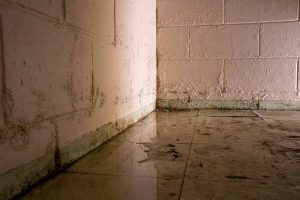 To keep your basement in top shape, regular maintenance and inspection checks are a must. You might encounter significant issues if you don’t commit to this routine.
Regular cleaning and seasonal inspections are two critical activities for maintaining your basement and preparing it for heavy rain.
Regular cleaning helps you keep your basement dry and free from elements that could potentially cause damage. It’s a task you should never overlook.
On the other hand, seasonal inspections allow you to spot potential problems early and address them before they escalate.
Here are some essential steps you can take:
- Regularly clean your basement, focusing on areas that are prone to gathering clutter or moisture.
- Schedule seasonal inspections to identify potential issues and address them promptly.
- Check your sump pump regularly to ensure it’s working effectively.
- Inspect your basement for any signs of water leakage or mold growth.
- Ensure your gutters and downspouts are functioning properly and directing water away from your home.
Frequently Asked Questions
What Type of Insurance Covers Flood Damage in Basements?
You’ll need flood insurance to cover flood damage in your basement.
Regular homeowners’ insurance won’t foot the bill. Flood insurance, which you can purchase through the National Flood Insurance Program, specifically covers this type of damage.
Always review your policy’s coverage limits to ensure they’ll meet your needs.
Can Heavy Rain Cause a Power Outage That Affects the Sump Pump?
Yes, heavy rain can indeed cause a power outage that affects your sump pump.
Power outage causes can be numerous, but severe weather is often a culprit.
It’s crucial to maintain your sump pump properly to mitigate this risk.
Consider investing in a battery backup for your sump pump to ensure it’s operational even during power loss.
Don’t wait until it’s raining heavily to prepare – stay proactive to avoid potential damage.
What Materials Are Most Resilient to Basement Water Damage?
You’re wondering about materials resilient to basement water damage. Waterproof and water-resistant materials are your best bets.
Consider using concrete, metal, or plastic. Vinyl flooring and mold-resistant drywall are also good choices.
Additionally, investing in effective basement drainage solutions like a sump pump or a French drain system can greatly reduce water damage.
How Do I Remove Standing Water From My Basement After a Flood?
Removing standing water from your basement post-flood involves certain water removal techniques.
First, you’ll need a pump or a wet/dry vacuum.
You’re also gonna want to consider basement drainage solutions, like a sump pump system, to prevent future flooding.
Remember, always wear protective gear when dealing with flood water and call a professional if you’re unsure.
It’s critical to act quickly to prevent further damage.
Can Mold Develop After a Single Basement Flooding Incident?
Absolutely, mold can develop after just one flooding incident in your basement.
It’s crucial to act swiftly with flood recovery tips to prevent this. Start by drying out the area thoroughly.
Use mold prevention strategies such as dehumidifiers and mold-resistant products.
Don’t forget to check hidden areas too; mold loves those damp, dark spots.
In conclusion, readying your basement for heavy rain is crucial. Start with assessing your basement’s vulnerability, then focus on landscaping, gutter maintenance, and installing a sump pump. Don’t forget to waterproof your walls and ensure adequate drainage. Regular checks are key! It may seem like a lot of work, but it’s necessary to protect your basement and prevent costly damages. So, roll up your sleeves and get started today! Your basement’s safety is in your hands.

Giulio and Jennifer Bevilacqua are the dedicated and passionate owners of Highlander Waterproofing, a trusted name in basement waterproofing and foundation repair. With a commitment to protecting homes and ensuring the safety and well-being of families, Giulio and Jennifer have built Highlander Waterproofing into a premier service provider in the region. Their hands-on approach, combined with years of industry expertise, has helped them earn a stellar reputation for delivering reliable and effective waterproofing solutions.
The Bevilacquas pride themselves on offering personalized service, using proven techniques, and employing a team of highly trained professionals who share their dedication to quality workmanship. As a family-owned and operated business, Giulio and Jennifer emphasize integrity, transparency, and a genuine concern for their clients’ needs. They believe in building lasting relationships with their customers by ensuring each project is completed to the highest standards. Highlander Waterproofing continues to thrive under their leadership, offering innovative solutions and exceptional customer service that homeowners can depend on.