


You’re considering buying a house, but there’s a catch – it has foundation problems. This is a serious setback that could lead to a myriad of costly and complex repairs down the line. You might be wondering if it’s worthwhile to invest in a property with such potential pitfalls. While some might dismiss such a house outright, others may see it as an opportunity to negotiate a lower price. Is this a savvy financial move or a disaster waiting to happen? Let’s examine the pros and cons to help you make an informed decision.
Essential Takeaways for Buying a Home with Foundation IssuesKey Takeaways
- Foundation problems can compromise a home’s structural stability, potentially posing safety issues and leading to high maintenance costs.
- Repairing foundation issues can be costly, with extensive repairs exceeding $10,000, and not all insurance policies fully cover these costs.
- Buying a house with foundation issues may reduce its resale value, as potential buyers may be wary of long-term implications of untreated foundation problems.
- If you’re considering buying a house with foundation problems, a detailed inspection report from a structural engineer is crucial for negotiation purposes.
- Despite foundation issues, it’s possible to negotiate the purchase price based on the severity of the problems and the estimated cost of necessary repairs.
Understanding Foundation Problems
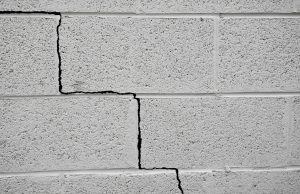
Often, when looking to buy a house, you’ll come across some potential homes with foundation issues. Understanding the different foundation types, from slab to crawl space and basement, is crucial in assessing these issues.
Remember, different soil conditions can affect each type differently, causing diverse long-term effects. You need to watch for warning signs like cracks or uneven floors.
The importance of a thorough foundation inspection can’t be overstated. It reveals the state of the foundation, guiding your decisions.
Repair methods vary, from simple crack sealing to extensive underpinning. Consider the cost and time these methods require.
Maintenance tips, such as proper drainage and soil slope, can mitigate some problems. But you need to weigh the benefits against the potential long-term effects on the home’s value and your peace of mind.
As a buyer, your considerations should include the cost and time needed for repairs, potential resale hurdles, and your comfort level with the associated risks.
Understanding foundation problems isn’t just about recognizing warning signs – it’s about making an informed decision when buying your potential dream home.
The Dangers of Foundation Issues
Ignoring foundation issues could plunge you into a world of trouble. Foundation stability is the backbone of your home’s structural integrity. Let’s not forget the long term implications. Here are the potential dangers:
| Dangers | Consequences | Solutions |
|---|---|---|
| Foundation Instability | Damages home’s structural integrity | Timely repairs |
| High Maintenance Costs | Regular, costly repairs | Regular inspections |
| Reduced Resale Value | Lowers home’s market value | Proper maintenance |
Failure to address these issues can lead to hefty maintenance costs. It’s not just about the immediate repair costs, but also the domino effect it has on other parts of your home. These problems might involve repair timelines you hadn’t anticipated, causing a ripple effect on your plans.
A shaky foundation can severely impact your home’s resale value. Buyers are wary of such properties, and property inspections often reveal these issues. This makes it harder for you to secure a fair price.
Most importantly, it’s about home safety. Foundation problems pose risks like uneven floors, wall cracks and, in worst cases, structural failure. Don’t compromise on safety. Always consider the dangers before buying a house with foundation issues.
How to Identify Foundation Damage
Although it might seem daunting, you can spot signs of foundation damage with a careful eye. One of the most telling indicators is distinctive crack patterns. Horizontal cracks often signal severe problems, possibly due to soil pressure. Vertical or diagonal cracks, while potentially less serious, shouldn’t be ignored either. These could indicate settlement issues or changes in soil conditions.
It’s also crucial to observe the soil around your house. If it’s constantly wet or very dry, it could be contributing to foundation damage. Watch for areas where the soil appears to be pulling away from the foundation. This is another sign of shifting soil conditions, which can cause the foundation to move and crack.
Look inside the house too. Doors and windows that stick or won’t close properly can indicate a shifting foundation. Floors that seem uneven or walls that appear to bow or bulge are also signs of potential foundation issues.
The Cost of Repairing Foundations
Let’s now shift our focus to the financial side of things – the cost of repairing foundations.
You’re probably wondering about the potential expenses and risks associated with this.
Don’t worry, we’ll get into assessing repair costs and what financial risks you might face.
Assessing Repair Expenses
Navigating the world of foundation repairs can be daunting.
You’re not just dealing with an unsettling issue; you’re also trying to estimate costs and figure out the most effective repair techniques. It’s no walk in the park, but with some knowledge on your side, you can handle this.
So, let’s start with repair techniques. These vary widely, from patching cracks to installing piers or pilings.
The method chosen will depend on the type of foundation problem you’re dealing with. You’ve got to understand what’s at stake here: the technique used can significantly impact the cost of your repairs.
Now, onto cost estimates. It’s not easy to pin down a precise figure without professional input.
However, for a rough guide, minor repairs could run you anywhere from $500 to $3,000. More extensive foundational work can quickly escalate into tens of thousands.
Potential Financial Risks
Financial risks are a vital factor to consider when buying a house with foundation issues. The cost of repairing foundations can become a significant financial liability if not properly estimated. You may find yourself shelling out thousands of dollars to get the problem fixed.
Not only that, but the longer you wait, the worse the damage could get, leading to even higher repair costs.
Consider this, too: if you’re hoping to sell the house down the line, foundation problems can seriously impact its resale value. It’s an investment risk you can’t ignore. Potential buyers may not want to take on the burden of a house with foundation issues, reducing your pool of interested parties.
Additionally, if the foundation problems aren’t disclosed upfront, you could find yourself in legal hot water, adding to the financial strain.
Therefore, it’s crucial to get a thorough inspection and a detailed repair estimate before purchasing a house with foundation problems. It may seem like a daunting task, but being informed about the potential financial risks can save you a lot of headaches – and money – in the long run.
Impact of Foundation Problems on Home Value
You might be wondering, how do foundation problems impact the value of a home? Firstly, the structural integrity of your home is a critical factor in determining your home’s equity. Foundation issues can significantly reduce this, leading to a decrease in resale value.
Buyer perceptions play a big part too. Most buyers are wary of homes with foundation problems, even if they’re minor. This reluctance can drastically impact your ability to sell, especially when neighborhood comparisons come into play. If similar homes in your area don’t have these issues, yours may struggle to compete, further lowering its market value.
Market trends also have a role. If the property market is booming, you might get away with a higher price despite the issues. However, in a slow market, these problems can be a deal-breaker.
The appraisal impact is another consideration. Appraisers will deduct the estimated renovation costs from your home’s value. This can hinder your investment potential, as you might end up spending more on repairs than you can recoup in a sale.
Lastly, consider the long-term implications. If left unresolved, foundation problems can worsen over time, leading to more expensive repairs and potentially making your home unsellable.
Insurance Coverage for Foundation Repairs
Now, let’s tackle the issue of insurance coverage for foundation repairs.
You’ll need to know what your insurance policy covers, how to make a claim for foundation repairs, and how to handle situations when your foundation issues aren’t covered.
It’s crucial to understand these aspects to make informed decisions about your prospective property.
Understanding Insurance Policies
Navigating the maze of insurance policies can be daunting, especially when dealing with foundation repairs. Don’t let insurance exclusions leave you footing the bill. Coverage types vary, but generally, insurers shy away from covering damages caused by “settling,” “lateral pressure,” earth movements, or poor property assessment.
Policy limits mightn’t cover the full cost of repair. It’s essential to understand the underwriting guidelines and how insurers conduct risk assessments. These guidelines determine your premium costs and whether certain liability issues will fall under your responsibility.
Premium costs rise with the likelihood of damage. If you’re in a flood or earthquake-prone area, expect to pay more. However, this doesn’t guarantee coverage for foundation problems.
Property assessments play a key role here. If the assessor deems your house at risk, you might face higher premiums or even policy non-renewal.
Navigating your policy renewal? Scrutinize the terms. You might find that coverage for foundation repairs shrinks or disappears.
Understanding these factors will help you anticipate potential costs, negotiate terms, and decide if buying a house with foundation problems is worth it.
Claiming Foundation Repairs
While understanding your insurance policy’s terms and conditions is a significant step, the real test comes when you make a claim for foundation repairs. It’s not an easy process, but don’t worry, you’re not alone.
Firstly, gather all necessary documents. This includes repair estimates, photos of the damage, and anything else that supports your claim. You’ll need to verify that the damage wasn’t due to normal wear and tear or neglect.
Next, consider repair warranties and contractor qualifications. It’s crucial to hire a qualified contractor with a solid warranty. This protects you if the repair doesn’t hold up. It also demonstrates to your insurance company that you’re serious about fixing the problem properly.
Remember to stay patient and persistent. Insurance companies may initially reject claims for foundation repairs. It’s up to you to advocate for yourself. Appeal the decision if you believe it was unjust.
Lastly, keep an open line of communication with your insurance company. They’ll provide updates on your claim’s status and let you know of any additional documents you may need.
Making a claim for foundation repairs can be a daunting process, but with preparation and persistence, you can navigate it successfully.
Uninsured Foundation Dilemmas
Imagine you’re staring at a drastic foundation problem with no insurance coverage – a scenario no homeowner wants to face. You’re not alone. Many homeowners grapple with uninsured foundation dilemmas, often due to common foundation myths and repair misconceptions.
Let’s debunk the foundation myths first. You might believe that minor foundation problems aren’t a big deal. But, don’t be fooled. Small issues can quickly escalate into major ones if left unattended. It’s not just about the aesthetics; it’s about the safety and durability of your home.
Now, let’s tackle repair misconceptions. You may think that all foundation repairs will break the bank, but this isn’t always the case. The cost of repairs can vary significantly depending on the severity of the issue and the quality of the work required. Yes, some repairs are expensive, but keep in mind that neglecting them could lead to even costlier problems down the line.
Uninsured foundation dilemmas are indeed daunting, but they’re not insurmountable. You’re better off addressing the issues head-on rather than living in fear of them.
Hiring Professionals for Foundation Assessment
In the realm of real estate, hiring professionals for a foundation assessment is a crucial step you shouldn’t skip over. Foundation inspections by structural engineers provide expert evaluations of the property’s condition. They inform you, as the buyer, about potential issues that could become your responsibility if you proceed with the purchase.
Structural engineers can offer you a comprehensive risk assessment. They’ll look for signs of settling, cracks, and other damages which could lead to costly repairs down the line. It’s important that you’re aware of these potential pitfalls before proceeding with the purchase.
Once the inspection is complete, you’ll receive a detailed report outlining the state of the foundation. This report often includes repair estimates that can provide a clearer picture of the financial implications of the property’s foundation issues.
To fulfill your buyer responsibilities, you shouldn’t rely solely on the property disclosures provided by the seller. Though these documents have valuable information, they may not capture the entire scope of the foundation problems.
Negotiating the Purchase Price
You’ve hired professionals and have a detailed report on the state of the foundation. Now, it’s time to arm yourself with negotiation strategies for the purchase price. Don’t be shy about leveraging the report to your advantage; it’s a powerful tool in the negotiation process.
First, understand the extent of the damage. If it’s minor, a simple price adjustment might be in order. Discuss with the seller the cost of repairs and ask for a discount equal to that amount. They’re likely to agree since it’s a fair request.
But what if the foundation problems are severe? You don’t have to walk away. Instead, negotiate a lower price that factors in the high cost of repairs. You’ll need to be assertive, but remember, you’re not obligated to buy unless you’re comfortable with the terms.
Lastly, don’t forget to consider the future market value of the house post-repairs. If it’s unlikely to appreciate or even maintain its current value, you might need to negotiate a more substantial price adjustment.
Armed with knowledge and a firm resolve, you’re ready to negotiate a deal that makes sense for you.
Making an Informed Decision
Taking the plunge and buying a house with foundation problems isn’t a decision to be made lightly. It’s imperative to weigh the pros and cons, considering the severity of the issue and the potential repair costs. Remember, the foundation’s stability is key in maintaining the home’s overall structural integrity.
You need to be confident in your decision. Consult with a structural engineer to get a professional opinion on the foundation’s state. Their insight can provide valuable information and boost your buyer confidence. Don’t shy away from asking tough questions. Get clarity on what repairs are needed, the timeline, and the estimated cost.
Also, consider the home’s location. If it’s in a desirable neighborhood or has unique features that are hard to find, it might be worth the risk. But if there are other options without foundation issues, you might want to explore those.
Lastly, think about your financial situation. Can you afford potential repair costs? Will this purchase leave you financially stressed?
Ultimately, the decision to buy a house with foundation problems should be based on comprehensive research, professional advice, and your comfort level with the potential risks and rewards.
Frequently Asked Questions
Can Foundation Issues Lead to Other Structural Problems in the House?
Absolutely, foundation issues can lead to other structural problems in your house.
You might notice doors not closing properly, cracks appearing on walls, or uneven floors.
That’s why foundation inspections are crucial. They help you understand the extent of the problem and estimate repair costs.
Does Weather or Climate Influence the Severity of Foundation Problems?
Absolutely, weather and climate can significantly influence the severity of foundation problems.
Climate effects, such as extreme heat or cold, can cause the soil around your home to expand or contract, leading to foundation movement.
Heavy rainfall and frequent weather pattern shifts can impact soil consistency, exacerbating foundation issues.
It’s crucial to understand your local climate and potential weather impacts when assessing foundation damage.

What Preventive Measures Can Be Taken to Avoid Foundation Problems?
To avoid foundation problems, you’ve got to focus on foundation maintenance and soil drainage.
Regularly check your home’s foundation for cracks or signs of stress. Ensure your property has good soil drainage; water should always be directed away from your home.
Don’t forget to maintain gutters and downspouts too.
Also, consider having your soil tested for expansive properties, as this can lead to foundation issues.
Regular vigilance can prevent major problems.
How Long Does a Typical Foundation Repair Process Take?
The duration of a foundation repair can vary greatly depending on the severity of the problem and the repair techniques used.
Generally, you’re looking at a timeframe of a few days to several weeks.
Minor repairs might take only a few days, but complex issues could require several weeks.
It’s important to get a detailed estimate from your contractor to understand the timeline and plan accordingly.
Are There Any Health Risks Associated With Living in a House With Foundation Problems?
Yes, living in a house with foundation problems can pose health risks.
Cracks in the foundation may allow moisture to seep in, encouraging mold growth. Mold can cause allergies, asthma, and other respiratory issues.
Foundation issues may also lead to poor indoor air quality due to dampness, increasing your risk of developing lung diseases.
So, should you buy a house with foundation problems? It all comes down to your risk tolerance, budget, and readiness to handle potential repairs. Make sure to hire professionals for a thorough inspection and get repair estimates. Consider the impact on the home’s value, insurance coverage, and negotiate the purchase price. Remember, it’s not just about buying a home—it’s about investing in your future. Make an informed decision that you’re comfortable with.

Giulio and Jennifer Bevilacqua are the dedicated and passionate owners of Highlander Waterproofing, a trusted name in basement waterproofing and foundation repair. With a commitment to protecting homes and ensuring the safety and well-being of families, Giulio and Jennifer have built Highlander Waterproofing into a premier service provider in the region. Their hands-on approach, combined with years of industry expertise, has helped them earn a stellar reputation for delivering reliable and effective waterproofing solutions.
The Bevilacquas pride themselves on offering personalized service, using proven techniques, and employing a team of highly trained professionals who share their dedication to quality workmanship. As a family-owned and operated business, Giulio and Jennifer emphasize integrity, transparency, and a genuine concern for their clients’ needs. They believe in building lasting relationships with their customers by ensuring each project is completed to the highest standards. Highlander Waterproofing continues to thrive under their leadership, offering innovative solutions and exceptional customer service that homeowners can depend on.