


You’ve probably heard the saying, “An ounce of prevention is worth a pound of cure.” Well, that couldn’t be more accurate when it comes to implementing a year-round waterproofing maintenance plan for your property. It’s more than just checking for leaks when the weather turns bad. You have to take into account the effects of each season, and how a proactive approach can save you significant amounts of money and stress down the line. So, what are the key components of this plan, and how can they help you maintain the integrity of your home? Stay with us and find out.
Key Takeaways
- Implement seasonal waterproofing measures, focusing on insulation, roof and gutter maintenance, and sealing strategies.
- Conduct regular roof and gutter inspections, taking immediate action on identified issues to prevent water intrusion.
- Maintain tight seals on windows and doors, inspecting for and promptly repairing any cracks, gaps, or deterioration.
- Carry out regular basement checks, ensuring the functionality of the sump pump and looking for signs of moisture and water damage.
- Adjust the maintenance checklist with seasonal changes, prioritizing drainage system inspections before heavy rain or snow.
Understanding Waterproofing Basics
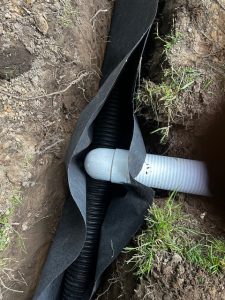
The concept of waterproofing, at its core, isn’t overly complex. It’s all about creating a barrier to prevent water from seeping into places it shouldn’t. Think about the waterproof jacket you pull over your head when it’s raining; it stops the water from soaking your clothes underneath.
Now, move that concept to your home. You’re looking to prevent water from entering and causing damage. Your home’s waterproofing system might include a combination of seals, barriers, and drainage systems. It’s not just about keeping the rain out, but also managing water from other sources, like groundwater or condensation.
When you’re understanding waterproofing, don’t forget to take into account the different types: there’s damp proofing, which is more about reducing moisture levels; and there’s waterproofing, which is designed to stop water intrusion altogether.
You’ve to remember that each type has its own specific applications and benefits, depending on the nature of your property’s exposure to water.
Winter Waterproofing Measures
As winter approaches, it’s essential to take into account specific waterproofing measures.
Think about how to insulate against cold moisture, monitor basement seepage, and manage roof snow-load.
These steps can protect your property from potential water damage during the colder months.
Insulating Against Cold Moisture
Bracing yourself against the biting winter chill, you may not immediately consider the impact cold moisture can have on your home. But it’s a fact, winter’s freezing temperatures can lead to condensation, frost, and ice buildup, which can cause significant damage if left unchecked.
Your first line of defense is proper insulation. Insulation acts as a barrier, reducing heat loss and preventing cold air from seeping into your home. It also helps to maintain a warmer interior temperature, reducing the chances of condensation forming on your walls and ceilings.
You’ve got to be proactive. Don’t wait for the first frost to start insulating. Start with your attic, the most vulnerable spot for heat loss. Next, focus on your exterior walls, followed by your floors and basements. Use weatherstripping for windows and doors, and add draft stoppers to eliminate cold air leaks.
Remember, insulating isn’t a one-time job. Regularly check your insulation for damage, and replace it as needed.
And don’t forget to ventilate. Proper ventilation prevents moisture buildup, keeping your insulation effective and your home dry.
Winter’s unforgiving cold can’t be stopped, but with a good insulation strategy, you can keep your home safe and dry.
Monitoring Basement Seepage
When winter sets in, don’t let your guard down, especially when it comes to your basement. Cold moisture can enter your basement and cause seepage. This can’t only damage your property but also create a breeding ground for mold and mildew.
It’s essential to monitor your basement for any seepage throughout the winter months.
Here are some steps you can take:
- Regularly inspect the walls and floors of your basement for wet spots or dampness. If you spot any, it’s a clear sign of seepage.
- Keep an eye on your sump pump. If it’s constantly running or if it’s not working at all, there could be a problem.
- Check for any cracks in your basement walls or floor. These could be entry points for water.
- Monitor the humidity level in your basement. Higher humidity levels can indicate seepage.
- Be mindful of any musty smells. This could be a sign of mold or mildew, which thrive in damp conditions.
Roof Snow-load Management
While you’re vigilantly watching your basement for seepage, don’t forget to keep an eye on your roof as well during winter.
Snow load, which is the weight of accumulated snow and ice, can lead to significant problems if not managed. It can strain your roof’s structure, lead to leaks, and even cause a collapse if it’s too heavy.
So, how do you manage snow load? It’s not as challenging as it seems. First, know your roof’s snow load capacity. This information is usually in the building plans or can be provided by a professional roofer.
If heavy snowfall exceeds this capacity, you’ll need to remove some of the snow. You can use a roof rake for this, but be careful not to damage the roof covering. If it’s too high or steep, hire a professional. They’ve got the right equipment and training to do the job safely.
Remember to also clear snow around downspouts, so meltwater can drain away. This prevents ice dams that can force water under your shingles, causing leaks.
Stay proactive with roof snow-load management. It’s a key part of your winter waterproofing routine.
Spring Maintenance Tips

As the winter snow melts away, it’s essential to start planning your spring maintenance. The thawing period can reveal a host of issues that, if not promptly addressed, could lead to water damage.
So, it’s time to roll up your sleeves and get to work.
Here are some spring maintenance tips to keep your home waterproof:
- Inspect your roof. Look out for any loose or missing tiles. Any damage could lead to leaks. It’s best to fix these issues before the spring showers come.
- Check your gutters. Make certain they’re free from debris and are draining correctly. The last thing you want is overflowing gutters pouring water onto your home’s foundation.
- Examine your windows and doors. Keep an eye out for any gaps or cracks that may have formed over winter. Sealing these will help keep unwanted moisture out.
- Look over your basement. If you’ve got a basement, make certain it’s dry. Any dampness could indicate problems with your home’s waterproofing.
- Survey your home’s exterior. Look for any signs of water damage, like peeling paint or discoloration. These could point to bigger underlying issues.
Tackling these tasks will make sure you’re well-prepared for the wet spring weather.
Summer Proofing Strategies
Summer-proofing your home is essential to maintain its overall waterproof integrity. Heat and humidity can exacerbate existing water issues or create new ones.
Here’s a straightforward plan to keep your home dry and damage-free.
First, inspect your roof. Even minor damage can lead to major leaks during summer storms. Check for loose or missing shingles and repair them promptly.
Don’t forget about your gutters. They should be clean and clear of debris to prevent water from backing up and causing damage.
Next, assess your home’s exterior walls. Look for cracks or gaps where water could potentially seep in.
Caulk is your best friend in these instances. It’s inexpensive, easy to apply, and can save you a ton of money in future repairs.
Lastly, consider your landscaping. It can play a huge role in your home’s waterproofing.
Make sure your yard slopes away from your home to keep water from pooling around the foundation.
Fall Waterproofing Routine
When autumn leaves start to fall, it’s time to kick-start your fall waterproofing routine.
This is the perfect season to get your property ready for the harsher winter weather to follow. Don’t get caught off-guard; follow this simple plan to guarantee your home stays dry and comfortable.
Here’s what you need to do:
- Check your gutters: Make sure they’re clear of leaves and other debris that could cause blockages. Water overflow can lead to major damage.
- Inspect your roof: Look for any signs of damage or wear. It’s easier to repair a small problem now than to deal with a big issue in winter.
- Seal your windows and doors: Use weatherstripping or caulk to seal any gaps that might let in moisture or drafts.
- Check your basement: Look for any signs of moisture or leaks. If you find any, address them immediately.
- Service your sump pump: Make sure it’s working properly. It’s your last line of defense against flooding.
Ongoing Maintenance Checklist
Beyond the fall season, maintaining the waterproof integrity of your home is a year-round task.
Here’s an ongoing maintenance checklist to keep your home dry and damage-free, regardless of the weather.
Firstly, regularly inspect your roof. It’s your first line of defence against water intrusion. Look for missing shingles, cracks, or any signs of damage. If you spot anything, get it fixed immediately.
Secondly, keep your gutters clean. They’re designed to channel water away from your home, but if they’re clogged, they can’t do their job. Make sure you’re cleaning them out at least twice a year.
Next, check your windows and doors. Confirm the seals are tight and there’s no water seeping in. If there’s any damage, replace the seals as soon as possible.
Lastly, don’t forget about your basement. Regularly check for any signs of moisture or water damage. If you uncover any issues, call a professional immediately.
So, you’ve got this! A year-round waterproofing maintenance plan is essential for your home’s longevity. Regular inspections, cleanings, and checks can save you from costly repairs down the road. Remember, it’s all about preventing water damage before it happens. Stay on top of these tasks, and you’ll keep your home strong and dry all year round. It might seem like a lot, but it’s worth the peace of mind. Good luck!

Giulio and Jennifer Bevilacqua are the dedicated and passionate owners of Highlander Waterproofing, a trusted name in basement waterproofing and foundation repair. With a commitment to protecting homes and ensuring the safety and well-being of families, Giulio and Jennifer have built Highlander Waterproofing into a premier service provider in the region. Their hands-on approach, combined with years of industry expertise, has helped them earn a stellar reputation for delivering reliable and effective waterproofing solutions.
The Bevilacquas pride themselves on offering personalized service, using proven techniques, and employing a team of highly trained professionals who share their dedication to quality workmanship. As a family-owned and operated business, Giulio and Jennifer emphasize integrity, transparency, and a genuine concern for their clients’ needs. They believe in building lasting relationships with their customers by ensuring each project is completed to the highest standards. Highlander Waterproofing continues to thrive under their leadership, offering innovative solutions and exceptional customer service that homeowners can depend on.