


Living in Buffalo, New York with its notorious flood-prone areas, you’ve likely considered the importance of basement waterproofing. As you know, it’s not just about protecting your property, it’s also about preserving your home’s value. But with a myriad of waterproofing methods out there – from interior drainage systems to sump pumps – how do you discern what’s best for your specific situation? Before we get into that, let’s first understand why waterproofing is a crucial investment for homeowners like you.
Key Takeaways
- Investigate local flood history of Buffalo, New York to identify suitable waterproofing techniques for basements.
- Consider professional waterproofing services with experience in high-risk flood areas for effective prevention measures.
- Utilize a combination of interior drainage systems, exterior barriers, and quality sump pumps specific to Buffalo, New York’s climate conditions.
- Regular post-waterproofing maintenance is crucial to ensure long-term effectiveness and prevent potential water damage in Buffalo, New York.
- Poorly executed waterproofing in Buffalo, New York’s flood-prone areas can lead to structural damage and decreased property value over time.
Understanding Basement Flood Risks
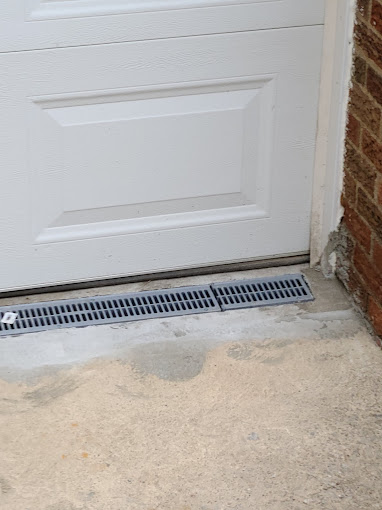
Water, a seemingly harmless element, can transform into a homeowner’s nightmare when it breaches the sanctity of your basement.
Feeling helpless as you watch your prized possessions get ruined is an experience you’d rather avoid. To do so, it’s imperative to understand your basement’s flood risks.
First, you should be aware of your area’s flood history. Surely, you can’t change it, but you can use this knowledge to your advantage.
If your area has a history of flooding, chances are your basement might be at risk. This historical data should nudge you into taking preventive measures.
Next, consider your local water table. If it’s high, it means the ground water level is closer to your basement floor, increasing the risk of basement flooding.
But don’t worry, you’re not doomed. There are several methods to manage a high water table and protect your basement.
Don’t wait for water to invade your space. Be proactive. Understand your basement’s flood risks, and take measures to mitigate them.
After all, your home is your sanctuary, and no water, above or below, should be allowed to threaten that peace.
Importance of Waterproofing Your Basement
You might be asking, why should you waterproof your basement?
Well, the primary reason is to prevent basement flooding, which can be a costly and stressful ordeal.
Not only does it safeguard your property, but it also brings added benefits like increased home value and peace of mind.
Preventing Basement Flooding
Flood-prone areas demand a vigilant approach to basement waterproofing. It’s not just about stopping water from getting in; it’s about creating an environment where water isn’t a threat. You’ve got to be proactive.
- Drainage Solutions and Sump Pumps: Install a comprehensive drainage system around your property, and complement it with a sump pump. This combo effectively takes water away from your home.
- Moisture Barriers and Foundation Repairs: Moisture barriers provide an extra line of defense against water infiltration. Additionally, foundation repairs can prevent water from entering your basement through cracks or gaps in the walls.
- Landscaping Strategies and Soil Grading: Thoughtful landscaping can aid in water diversion. Strategically placed plants and trees can absorb excess water.
Soil grading is also essential – it should slope away from your home to prevent water accumulation near your foundation.
- Gutter Maintenance: Clean and well-maintained gutters prevent rainwater from pouring over the side, which can lead to basement flooding.
Preventing basement flooding is a multi-faceted task. It may seem daunting, but it’s absolutely worth it.
Stay ahead of the game. Don’t let water be the boss of your basement.
Benefits of Waterproofing
Why overlook the importance of waterproofing your basement? It’s a crucial safeguard against potential water damage, especially in flood-prone areas.
Plus, it offers a number of benefits that go beyond just keeping your basement dry.
Let’s talk about cost savings. Think about the financial hit you’d take if your basement flooded. You’d have to shell out for repairs, possibly replace damaged items and may even face increased insurance premiums.
Waterproofing your basement can help you avoid these costs. It’s an investment that can save you significant money in the long run.
And let’s not forget about the impact on your property value. A waterproofed basement is a strong selling point. Potential buyers won’t have to worry about water damage, making your home more appealing.
This can boost your property value, giving you a better return on your investment when you decide to sell.
In short, waterproofing your basement isn’t just about preventing floods. It’s about protecting your wallet and increasing your property value.
Common Basement Waterproofing Techniques
Let’s move on to common basement waterproofing techniques.
You might wonder, what’re the most effective methods to prevent basement flooding?
Don’t fret, you’re about to discover some top strategies that will keep your basement dry, even in the most flood-prone areas.
Effective Waterproofing Methods
Numerous effective methods can help you waterproof your basement, especially if you live in a flood-prone area.
These methods can prevent water damage and save you from costly repairs down the line. Two of these techniques include implementing drainage solutions and installing moisture barriers.
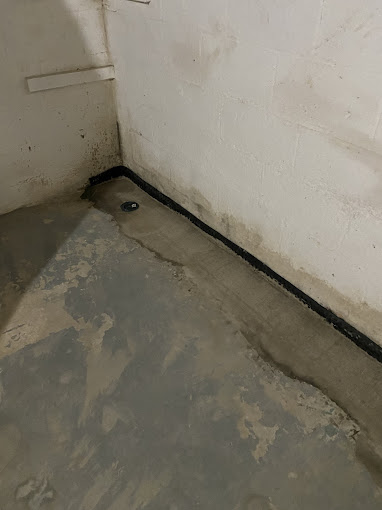
- Interior Water Drainage: This method is arguably the most effective for preventing water seepage. It involves installing a drainage system inside your basement to divert water to a sump pump, which then discharges it outside your home.
- Moisture Barriers: These are typically plastic or foil sheets that you install on the interior of your basement walls. They trap moisture and prevent it from seeping into your basement.
- Exterior Waterproofing: This method involves applying a waterproof coating or membrane to the outside of your basement walls. It’s a more expensive option but can be very effective.
- Crack Injections: If your basement walls have cracks, you can inject them with a waterproof material to prevent water from seeping in.
Preventing Basement Flooding
You mightn’t realize it, but your basement is at constant risk of flooding, especially if you live in a flood-prone area.
But don’t worry, there are several efficient ways to prevent basement flooding. A good start is to adopt robust drainage solutions. These can divert water away from your home, reducing the risk of flooding in your basement.
Installing sump pumps is also a great idea. They’re designed to pump out any water that collects in your basement, keeping it dry and safe.
Additionally, water barriers can be used to block water from seeping into your basement walls and floors.
Another solution is soil grading. It’s a landscape management technique that ensures water flows away from your home, not towards it.
This, combined with foundation repairs, can significantly reduce the risk of water infiltrating your basement.
Choosing the Right Waterproofing Method
While there are several methods to waterproof your basement, choosing the right one can make a huge difference, especially in flood-prone areas. Your selection should consider the severity of the flooding problem, the condition of your home’s foundation, and your budget.
- Interior Drainage Systems: This method involves installing drainage systems inside your basement to collect water and direct it to a sump pump. It’s effective but may require foundation repairs if the water problem is severe.
- Exterior Barriers and Landscape Grading: This combines the use of waterproof coatings and vapor barriers on the outer walls of your basement with suitable landscape grading to direct water away from your home.
- Sump Pumps: These are your last line of defense against flooding. They pump out water that’s collected in your basement. Installing a quality sump pump can be crucial in flood-prone areas.
- Surface Sealing and Moisture Barriers: This involves sealing the surface of your basement walls and floors with waterproof coatings and installing moisture barriers to prevent dampness.
Hiring Professional Waterproofing Services
When it comes to tackling basement waterproofing, don’t shy away from seeking professional help. It’s not just about slapping on some waterproofing materials; there’s a science to it. A professional service has the know-how to tackle the job properly, reducing the risk of future water damage.
Before hiring a contractor, do your research. Look for a company with a solid reputation and proven track record. Don’t be afraid to ask about contractor qualifications. A good contractor will be more than happy to share their credentials, expertise, and past projects with you.
When choosing your contractor, don’t just focus on price. While it’s important to stay within your budget, the cheapest option isn’t always the best. Look at the type of waterproofing materials they use. Are they high-quality? Do they fit your specific needs?
Remember, a botched job can end up costing you more in the long run.
Hiring professional waterproofing services might seem daunting, but it’s a crucial step. It ensures your basement stays dry, even in the most flood-prone areas. So take your time, do your research, and invest in a service that guarantees a job well done.
Maintaining Your Basement Post-Waterproofing
Once your basement’s waterproofing is complete, it’s crucial to keep up with maintenance. This ensures your basement stays dry and prolongs the life of your waterproofing system, especially in flood-prone areas of your city.
Here’s how you can maintain your basement post-waterproofing:
- Regular Inspection: Check your basement regularly for any signs of leaks or moisture. Look out for mold, mildew, or damp spots.
- Drainage Systems: Your drainage systems need to be kept clear to function optimally. Debris in your drains can lead to water backing up and seeping into your basement.
- Moisture Control: Invest in a dehumidifier to help control moisture levels in your basement. High humidity can degrade your waterproofing system over time.
- Professional Maintenance: Schedule annual maintenance with a professional. They can spot potential problems and fix them before they turn into costly repairs.
Frequently Asked Questions
What Is the Average Cost of Basement Waterproofing in Buffalo, New York?
You’re wondering about the average cost of waterproofing a basement in your city.
It’s not a simple number, as cost factors vary. These include the size of your basement, existing damage, and the waterproofing methods chosen.
It could range from a few hundred to several thousand dollars.
It’s best to get a few estimates from professionals.
This is a crucial investment to protect your home, especially if you’re in a flood-prone area.
Are There Any Local Regulations Regarding Basement Waterproofing in Flood-Prone Areas?
Yes, there are local regulations regarding this matter.
You’ll need to check your city’s local building codes. These codes often have specific requirements for flood-prone areas.
It’s important to comply with these regulations to ensure your basement waterproofing is up to code.
Additionally, flood zone requirements may have further stipulations.
It’s always best to consult with a professional who’s familiar with these local regulations.
Does Homeowners Insurance Typically Cover Basement Waterproofing in Buffalo, New York?
It’s not typical for homeowners insurance to cover basement waterproofing in your city.
Insurance policies generally cover sudden and accidental damage, not maintenance issues. Waterproofing falls under home upkeep, a homeowner’s responsibility. You’re expected to maintain your property to avoid damage.
However, it’s always worth verifying your policy’s specific coverage limits. Sometimes, additional coverage can be purchased for areas prone to flooding.
Check with your insurance provider for detailed information.
How Long Does the Basement Waterproofing Process Usually Take?
You’re wondering about the duration of the basement waterproofing process.
Typically, it can vary depending on the chosen waterproofing techniques and the size of your basement.
However, most projects can be completed in 1 to 3 days.
Keep in mind, bigger basements or more complex issues may extend this timeframe.
It’s best to consult with a professional to get an accurate estimate for your specific situation.
Can I Live in My Home During the Basement Waterproofing Process?
Yes, you can live in your home during the waterproofing process.
However, it might be inconvenient due to noise and dust. Depending on the waterproofing methods used, sections of your home may be temporarily off-limits.
Consider temporary living arrangements if this poses a significant disruption. It’s all about your comfort level and tolerance for the temporary mess and noise that comes with this essential home improvement.
So, you’ve seen the risks of basement flooding in Buffalo, New York and learned about the importance of waterproofing. You’ve explored common techniques and how to choose the right one. Now, it’s time to hire a professional service and maintain your basement post-waterproofing. Remember, this isn’t just about protecting your property, it’s about increasing its value. Don’t wait until it’s too late, waterproof your basement today and secure your peace of mind for tomorrow.

Giulio and Jennifer Bevilacqua are the dedicated and passionate owners of Highlander Waterproofing, a trusted name in basement waterproofing and foundation repair. With a commitment to protecting homes and ensuring the safety and well-being of families, Giulio and Jennifer have built Highlander Waterproofing into a premier service provider in the region. Their hands-on approach, combined with years of industry expertise, has helped them earn a stellar reputation for delivering reliable and effective waterproofing solutions.
The Bevilacquas pride themselves on offering personalized service, using proven techniques, and employing a team of highly trained professionals who share their dedication to quality workmanship. As a family-owned and operated business, Giulio and Jennifer emphasize integrity, transparency, and a genuine concern for their clients’ needs. They believe in building lasting relationships with their customers by ensuring each project is completed to the highest standards. Highlander Waterproofing continues to thrive under their leadership, offering innovative solutions and exceptional customer service that homeowners can depend on.