


You’ve probably heard that timing is everything, and when it comes to basement waterproofing, this adage rings particularly true. Late summer emerges as an ideal window for this home improvement project. Warmer temperatures and drier conditions work to your advantage, enhancing the curing process of waterproofing materials. But why late summer? And what steps should you take to get the most bang for your buck? Let’s discuss these and more to help you get ahead of the game and protect your basement from the onslaught of fall and winter weather.
Key Takeaways
- Late summer provides ideal conditions for basement waterproofing due to drier ground and warmer temperatures aiding in material curing.
- Timing waterproofing in late summer avoids complications from damp soil and rainy seasons, enhancing longevity and effectiveness of the solution.
- Before waterproofing, ensure surfaces are clean, dry, and well-ventilated, taking advantage of summer’s dry weather or using dehumidifiers if necessary.
- Regularly check the effectiveness of waterproofing, especially during heavy late-summer rains, to identify potential leaks or moisture issues.
- Consider professional assistance for complex tasks, as summer is a busy season for contractors and early booking ensures timely execution.
 Understanding Basement Waterproofing
In the domain of home maintenance, basement waterproofing is an essential step you can’t afford to overlook. It’s your first line of defense against water intrusion, which can lead to numerous problems such as structural damage, mold growth, and decreased property value.
To start, you need to understand the source of water intrusion. It could be from external factors like heavy rain or a high water table, or internal factors like pipe leaks. Knowing the source helps you choose the right waterproofing method.
Next, familiarize yourself with the common waterproofing methods. These include interior water drainage, exterior waterproofing, and sealants.
Interior water drainage involves installing a drainage system inside your basement to redirect water.
Exterior waterproofing, on the other hand, prevents water from entering your basement in the first place. It’s more expensive but also more effective.
The Importance of Late Summer Timing
While you’re busy understanding the sources of water intrusion and exploring different waterproofing methods, don’t overlook the timing of your waterproofing project. The importance of late summer timing can’t be overstated.
Late summer offers the perfect conditions for effective basement waterproofing. Why? It’s all down to weather conditions. The ground is typically drier, making it easier for professionals to work. Damp soil can complicate the process, so you want to avoid rainy seasons.
Additionally, warmer temperatures are beneficial as they’ll help the waterproofing materials cure properly.
You might be thinking, “Can’t I just waterproof anytime?” Sure, you could. But remember, you want the best results, don’t you? Late summer timing isn’t just about convenience; it’s about ensuring the longevity and effectiveness of your waterproofing solution.
In colder, wetter months, the ground can freeze or become oversaturated, which could hinder the application and overall effectiveness of the waterproofing.
Evaluating Your Basement’s Needs
Understanding your basement’s unique needs is fundamental to a successful waterproofing project. You can’t apply a one-size-fits-all approach here; every basement has its own characteristics that demand tailored solutions.
First, inspect your basement thoroughly. Look for signs of water damage, such as staining, mold growth, or a musty smell.
Don’t forget to check the walls for cracks or efflorescence, a white, powdery substance that indicates water seepage.
Next, consider your basement’s usage. If it’s mainly for storage, you’ll need a different waterproofing system than if you’re using it as an extra living space.
Remember, higher traffic areas demand sturdy, long-lasting solutions.
It’s also important to think about your local climate. If you live in an area that’s prone to heavy rainfall or flooding, you’ll need more robust waterproofing measures than someone living in a drier climate.
Lastly, assess your budget. Waterproofing can be an investment, but it’s one that’s worth making.
After all, the costs of repairing extensive water damage can far outweigh the initial outlay for proper waterproofing.
Choosing Quality Waterproofing Materials
Now that you’ve evaluated your basement’s needs, it’s time to choose your waterproofing materials.
Consider the durability of each product, as this will greatly affect its long-term performance.
Also, compare different products to guarantee you’re getting the best quality for your investment.
Assessing Material Durability
There’s a myriad of waterproofing materials available in the market today, but not all are created equal. It’s vital to assess the durability of these materials before making a decision. Durability is a key factor that guarantees the longevity of your waterproofing solution, and you don’t want to be redoing the job in a few short years.
Consider the material’s resistance to water, its tensile strength, and its ability to withstand the harsh elements. These factors greatly impact the durability of the material.
Here’s a table to give you a quick overview:
| Material | Water Resistance | Tensile Strength | Weather Resistance |
|---|---|---|---|
| Concrete sealers | High | Medium | High |
| Epoxy injections | High | High | Medium |
| Polyurethane coatings | High | High | High |
| Rubberized membranes | Medium | High | High |
Concrete sealers, epoxy injections, polyurethane coatings, and rubberized membranes are all good choices, but their durability varies. So, it’s imperative to weigh these factors and choose a material that best suits your specific needs. Make a choice that provides long-term protection, not just a temporary fix. Your basement’s health and your peace of mind depend on it.
Comparing Waterproofing Products
Diving into the world of waterproofing products, you’ll find a vast array of options, each claiming to be the best. It can feel overwhelming to sift through all the choices, but it’s well worth the effort. The key is understanding what you’re looking at and knowing how to compare different products.
Start by looking at the type of product. Waterproofing materials are generally divided into liquid sealants, sheet products, and interior water control systems. Liquid sealants are easy to apply and cost-effective, but they may not hold up as well under heavy water pressure.
Sheet products offer greater protection, but they’re more expensive and can be challenging to install. Interior water control systems, on the other hand, work by redirecting water and can be a good option if you’re dealing with significant moisture issues.
Next, consider the product’s longevity and efficacy ratings. Does the manufacturer provide any guarantee or warranty? It’s also important to read reviews and see what other users have to say about the product.
This will give you a sense of its real-world performance. In the end, the best product for you’ll depend on your specific needs and budget.
Tips for DIY Basement Waterproofing
Now that you’re familiar with quality waterproofing materials, let’s move on to DIY basement waterproofing.
You’ll need to understand these materials thoroughly and know the steps involved in the waterproofing process.
Let’s get started with these tips to guarantee a successful, dry basement project.
Understanding Waterproofing Materials
Initiating a DIY basement waterproofing project demands a solid understanding of the materials involved. You’ll need to choose the right products to guarantee maximum protection against moisture. Not all materials are created equal, and it’s vital to pick the ones that best suit your specific needs.
Silicate-based concrete sealers, for instance, are excellent for walls that haven’t been painted or sealed, whereas waterproofing paint, a thicker version of acrylic paint, can be used on both painted and unpainted walls.
If you’ve got cracks, hydraulic cement is your go-to as it expands to fill gaps, providing a strong water-resistant barrier.
Membrane materials, like rubber or plastic sheets, are often used for exterior waterproofing. They’re applied to the outside of your basement walls to prevent water from getting in.
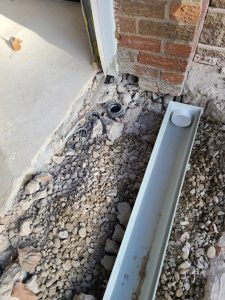
Then there’s the French drain system, a trench filled with gravel or rock containing a perforated pipe, which redirects water away from your home. You might need this if your problem is more about poor drainage than seepage.
Waterproofing Process Steps
Starting your DIY basement waterproofing journey, it’s vital to follow a step-by-step process to guarantee success.
First, assess the situation. Locate the origin of any leaks or moisture. It’s important to identify whether the problem is internal or external. If it’s an external issue, you’ll need to address the landscaping and drainage around your home.
Next, clean and prep the area. Remove any objects, dust, or debris in your basement. For peak effectiveness, waterproofing products require a clean, dry surface. You might’ve to wait for a dry spell or use dehumidifiers to confirm the area is moist-free.
Then, apply waterproofing paint or primer. This is a significant step where you’ll be sealing the walls, preventing any moisture from seeping in. Make sure you cover every inch, and don’t forget the corners. Two coats usually provide the best protection.
Lastly, monitor the area regularly. Waterproofing isn’t a one-and-done operation. Check your basement frequently, especially during heavy rains, and reapply waterproofing products if necessary.
 Seeking Professional Help
Don’t be afraid to seek professional help if you’re overwhelmed by the task of waterproofing your basement. It’s a complex job that requires knowledge and expertise to guarantee it’s done correctly. If you’re unsure about the process, a professional can guide you through it and ascertain that no steps are skipped.
Hiring a professional can save you time and effort. They’ll have the necessary tools and skills to get the job done efficiently. They’ll also be able to spot potential problems that you might miss, like cracks or leaks that need to be addressed before the waterproofing can begin.
Remember, not all professionals are created equal. Do your research before hiring someone. Look for a company with a solid reputation, good reviews, and a proven track record. Ask for references and make sure they’re licensed and insured.
You don’t want to be left with a mess or worse, a non-waterproofed basement. Investing in a professional now can save you from costly repairs down the line. When it comes to keeping your basement dry and your home safe, it’s worth it to bring in the pros.
Maintaining Your Waterproofed Basement
Once your basement is waterproofed, the job isn’t over. You’ve still got an important role to play in maintaining this newfound dryness.
It’s vital to regularly check your basement for any signs of water infiltration. Look out for damp spots, mold, or a musty smell that could indicate a problem. Don’t ignore these signs, as they could mean your basement’s waterproofing needs attention.
Make sure gutters and downspouts are directing water away from your home’s foundation. If they’re not, you could be inviting water right back into your basement.
It’s also a good idea to keep an eye on your sump pump if you have one. Make sure it’s working properly and replace it if necessary.
You should also check the basement walls and floor for cracks. Even small ones can let in water. If you notice any, get them sealed as soon as possible.
So, don’t wait till it’s too late. Make the most of late summer to waterproof your basement. It’s the perfect time for effective application and longer-lasting results. Consider your basement’s unique needs, choose high-quality materials, and follow our DIY tips. Don’t hesitate to call in the pros if needed. Remember, regular maintenance keeps your basement dry and damage-free. It’s an investment that saves you worry, time, and money in the long run.

Giulio and Jennifer Bevilacqua are the dedicated and passionate owners of Highlander Waterproofing, a trusted name in basement waterproofing and foundation repair. With a commitment to protecting homes and ensuring the safety and well-being of families, Giulio and Jennifer have built Highlander Waterproofing into a premier service provider in the region. Their hands-on approach, combined with years of industry expertise, has helped them earn a stellar reputation for delivering reliable and effective waterproofing solutions.
The Bevilacquas pride themselves on offering personalized service, using proven techniques, and employing a team of highly trained professionals who share their dedication to quality workmanship. As a family-owned and operated business, Giulio and Jennifer emphasize integrity, transparency, and a genuine concern for their clients’ needs. They believe in building lasting relationships with their customers by ensuring each project is completed to the highest standards. Highlander Waterproofing continues to thrive under their leadership, offering innovative solutions and exceptional customer service that homeowners can depend on.
