


You’ve probably wondered, “How often should I replace my sump pump?” It’s a critical question. After all, a reliable sump pump is your first line of defense against basement flooding. While the common recommendation is every 10 years, it’s not always that straightforward. Factors such as the quality of your pump, frequency of use, and how well it’s maintained all come into play. It’s a topic worth discussing, don’t you think? Let’s explore more about this to guarantee your home remains safely protected from potential water damage.
Key Takeaways
- The typical lifespan of a sump pump is approximately 10 years, but this can vary based on usage and maintenance.
- Signs that your sump pump may need replacing include unusual noises, frequent cycling, visible rust, and general wear.
- Regular maintenance and checks can extend the lifespan of your sump pump, potentially beyond 10 years.
- Neglecting maintenance or heavy use may necessitate an earlier replacement of your sump pump.
- Consider factors such as pump type, horsepower, switch type, and material when choosing a replacement to ensure long-term investment and efficiency.
Understanding the Role of a Sump Pump
Ever wondered what a sump pump does? Well, you’re not alone. This often overlooked device plays an essential role in keeping your home safe and dry. It’s the unsung hero in your basement, reliably working away out of sight and out of mind.
A sump pump is your home’s first line of defense against flooding. It’s installed in a specially constructed pit in the lowest part of your basement or crawlspace. Its job is to automatically pump out any water that gathers there before it can rise to the level of your floor and cause flooding.
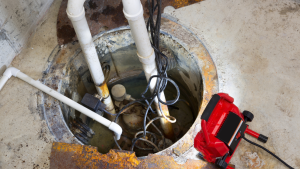
When it senses water, it springs into action, pumping the water away from your home and into a drain or a dry well.
During heavy rain or rapid snowmelt, your sump pump works overtime to keep your basement dry. It’s an important tool in preventing water damage to your home and belongings, as well as protecting against mold and mildew.
Without a sump pump, you’d be at the mercy of the weather, and cleanups could be costly and time-consuming. Now that you understand its role, you’ll appreciate your sump pump for the hardworking defender it is.
The Average Lifespan of Sump Pumps
You might wonder about the typical lifespan of a sump pump.
It’s not a set-in-stone number as various factors can influence how long your pump lasts.
Let’s explore what these factors are and how they impact the longevity of your sump pump.
Determining Pump Lifespan
Despite the critical function your sump pump performs, it’s not designed to last forever. On average, a sump pump lasts about 10 years. However, the actual lifespan can vary considerably, depending on several factors.
So, how do you determine your pump’s lifespan?
There are a few key signs to look for:
- Age: If your pump is nearing or has surpassed the 10-year mark, it’s likely nearing the end of its lifespan.
- Frequency of Use: The more frequently your pump is used, the shorter its lifespan. If it’s constantly running, it will wear out faster.
- Maintenance: Regular maintenance can extend your pump’s life. If you’ve neglected it, it may not last as long.
- Performance: If it’s not working as effectively as it used to, or it’s having trouble keeping up during heavy rains, it may be on its last leg.
The key is to pay attention to these signs and not wait until your basement is flooded to replace your pump.
Factors Affecting Longevity
Over time, the lifespan of your sump pump can be influenced by a range of factors. These factors might seem trivial, but they can greatly impact how long your pump lasts. It’s important to recognize these factors so you can take the necessary steps to extend your sump pump’s life.
The first factor is the quality of the pump. Higher-quality pumps typically last longer than their low-quality counterparts. The frequency of use also affects longevity. If you’re frequently dealing with heavy rainfall, your pump is likely working overtime. Finally, regular maintenance can prolong your pump’s life. Neglecting regular maintenance tasks like cleaning and inspections can shorten its lifespan.
Here’s a table summarizing these factors:
| Factor | Description | Impact on Lifespan |
|---|---|---|
| Quality | High-quality pumps tend to last longer. | Positive |
| Frequency of Use | Pumps frequently in use work harder. | Negative |
| Maintenance | Regular maintenance extends pump life. | Positive |
Signs Your Sump Pump Needs Replacement
A multitude of signs can indicate that your sump pump needs a replacement. Here are four key indicators that it’s time for an upgrade:
- Unusual Noises: If your sump pump starts making odd noises, like grinding or gurgling, that’s a clear sign something’s wrong. This could be a worn-out motor, which means it’s time for a replacement.
- Frequent Cycling: If your pump’s turning on and off more often than usual, especially in normal weather conditions, it’s likely it’s not working efficiently. It’s wearing itself out and it’s time to replace it.
- Old Age: Sump pumps typically last about 10 years. If yours is older, even if it’s still working, you might want to contemplate a replacement to avoid a sudden breakdown.
- Visible Rust: Rust isn’t just unsightly, it’s a sign your pump’s corroding. If you see rust, it’s time to get a new pump before a catastrophic failure occurs.
Don’t wait for a flood to find out your sump pump isn’t doing its job.
Keep an eye out for these signs and replace your pump before it’s too late.
Causes of Sump Pump Failure
Understanding what can go wrong with your sump pump is essential for effective home maintenance.
Let’s look at some common sump pump issues that can lead to failure.
Common Sump Pump Issues
Without a doubt, the failure of your sump pump can be a real headache, often resulting in significant water damage to your basement.
Most of these failures are due to common sump pump issues which can be effectively managed if known.
The first common issue is power failure. Your sump pump relies heavily on electricity. When there’s a power outage, it can’t operate, leaving your basement vulnerable to flooding.
Secondly, overwhelmed capacity. If your pump isn’t powerful enough to handle the amount of water coming in, it’s bound to fail. So, choose a pump with the right capacity for your needs.
Thirdly, wrong installation. Incorrect installation can lead to numerous problems, like the pump not activating when it should. It’s essential to follow the manufacturer’s instructions or hire a professional.
Lastly, clogged discharge lines. If the water can’t exit, it’ll re-enter your basement. Make sure your lines are clear and have a grate to keep out debris.
Recognizing these common issues can help you avoid a failing sump pump.
Next, we’ll discuss the importance of regular maintenance.
Importance of Regular Maintenance
You mightn’t think of it often, but regular maintenance of your sump pump is essential to its longevity and performance. You wouldn’t let your car run without regular oil changes, would you? Your sump pump is no different. It’s your first line of defense against basement flooding and water damage, and it needs your attention to keep doing its job.
Neglecting regular maintenance can cause your pump to fail prematurely. It’s not just about replacing parts when they break down. It’s about preventing those breakdowns in the first place. Regular check-ups can reveal early signs of wear and tear, allowing you to address minor issues before they turn into major problems.
Dirt, debris, and mineral accumulation can hinder your pump’s efficiency. Regular cleaning prevents this, ensuring your pump remains in top shape.
Similarly, checking and testing the float switch, impeller, and check valve regularly can save you from unexpected failures.
Impact of Overuse on Sump Pumps
Frequently running your sump pump can lead to considerable wear and tear over time.
Overuse can negatively impact the pump’s efficiency and lifespan. It’s not just about how often you use it, but also how you use it. Here’s why:
- Reduced Efficiency: Overuse strains the motor, reducing the pump’s overall efficiency. You’ll notice that it takes longer to drain water, and that’s an obvious sign of a problem.
- Premature Wear and Tear: Constant running can cause parts to wear out faster. Seals can break, impellers can wear down, and before long, you’re dealing with a failure.
- Increased Energy Usage: A less efficient pump consumes more energy. You’ll see this reflected in your energy bills, which can skyrocket if left unchecked.
- Shortened Lifespan: All these factors combined considerably decrease the pump’s lifespan. Instead of lasting for several years, your pump might require replacement in just a few.
Maintenance Tips for Longer Lifespan
To extend the lifespan of your sump pump, regular maintenance is key. By conducting routine checks, you’ll guarantee your pump’s best performance and prevent potential failures that could lead to costly repairs or replacements.
Here are some maintenance tips that can make your sump pump last longer:
| Maintenance Tips | Why It’s Important |
|---|---|
| Check for debris | Regularly clean the sump pit to prevent blockages |
| Test the pump | Pour a bucket of water into the pit to verify it’s working |
| Inspect the power cord | Look for damages that could lead to electrical failures |
| Listen for unusual noises | These could signal internal issues needing immediate attention |
| Schedule professional inspections | Experts can detect and fix issues you might miss |
Choosing the Right Sump Pump
Maneuvering the maze of sump pump options can be overwhelming. But don’t fret. You’re about to get a foolproof guide that’ll help you make an informed decision.
Here are four key factors you should consider:
- Pump Type: There are different types of sump pumps – submersible, pedestal, battery backup, and combination. The submersible pump is quiet and efficient, but it’s pricier.
The pedestal pump is economical and lasts longer. The battery backup pump kicks in during power outages, and the combination pump is a hybrid of the submersible and battery backup pumps. Choose the type that suits your needs and budget.
- Horsepower: Sump pumps range from 1/4 to 1 horsepower. The right horsepower depends on how much water you need to move and how high it needs to be pumped.
- Switch Type: Tethered, vertical, and electronic are the main types of switches. Tethered switches last longer, but require larger basins.
Vertical switches are compact but wear out faster. Electronic switches are versatile but can be pricier.
- Material: Opt for a cast-iron pump. It dissipates heat better, extending the lifespan of the pump.
 Professional Inspection and Replacement
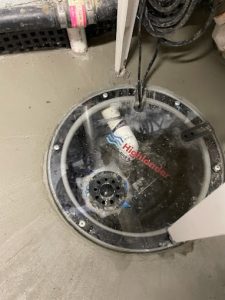 Professional Inspection and Replacement
Even though you’ve chosen the perfect sump pump, it’s vital to have it professionally inspected regularly. The reason? Even the best of pumps can wear out over time. Regular check-ups can catch potential issues before they turn into major problems. Think of it as a health check for your pump.
Now, let’s talk about the frequency of these inspections. Typically, it’s recommended that you have your sump pump inspected annually. However, if you live in an area with a high water table or frequent storms, you might want to schedule inspections twice a year.
The professional will check the pump’s operation, inspect for signs of wear and tear, and clean the pump and pit.
When it comes to replacement, you’ll need to rely on the expertise of your professional. If they spot significant damage or wear, they’ll recommend a replacement. But don’t worry, it doesn’t mean you’ve done anything wrong.
Pumps simply have a lifespan. Most last 7 to 10 years, but it’s not a hard rule. Your pump could last longer with good care or need replacement sooner if it’s working overtime. That’s why regular inspections are so important.
The Cost of Sump Pump Replacement
Having covered inspection and replacement frequency, let’s now unwrap the financial aspect of replacing your sump pump.
It’s crucial to understand that the cost can vary greatly based on several factors.
- Type of Sump Pump: There are two main types, pedestal and submersible. A pedestal pump is cheaper, often running between $60 to $200. On the other hand, a submersible pump, which is more durable and efficient, can cost you anywhere from $100 to $400.
- Labor Costs: This is another significant factor. Professional installation typically ranges from $300 to $700. Remember, you’re not just paying for labor but also for the peace of mind that comes with a job correctly done.
- Additional Parts: Things like check valves, discharge pipes, or a new basin may be needed, adding to the overall cost.
- Emergency Replacement: If your pump breaks down during a storm or flooding, you might be charged more for emergency services.
While the cost might seem steep, consider the potential expense of a flooded basement.
In the end, it’s an investment in your home and peace of mind.
So, it’s clear that keeping an eye on your sump pump is essential. It typically needs replacing every 10 years, but signs of wear can mean it’s time to act sooner. Regular maintenance and inspections can extend its life, but don’t wait for a catastrophe. Be proactive, and if in doubt, seek professional advice. Remember, the cost of replacement is a small price to pay compared to the potential damage from a flood.

Giulio and Jennifer Bevilacqua are the dedicated and passionate owners of Highlander Waterproofing, a trusted name in basement waterproofing and foundation repair. With a commitment to protecting homes and ensuring the safety and well-being of families, Giulio and Jennifer have built Highlander Waterproofing into a premier service provider in the region. Their hands-on approach, combined with years of industry expertise, has helped them earn a stellar reputation for delivering reliable and effective waterproofing solutions.
The Bevilacquas pride themselves on offering personalized service, using proven techniques, and employing a team of highly trained professionals who share their dedication to quality workmanship. As a family-owned and operated business, Giulio and Jennifer emphasize integrity, transparency, and a genuine concern for their clients’ needs. They believe in building lasting relationships with their customers by ensuring each project is completed to the highest standards. Highlander Waterproofing continues to thrive under their leadership, offering innovative solutions and exceptional customer service that homeowners can depend on.