


You’ve probably heard a few basement waterproofing myths, and you might even believe some of them. After all, who doesn’t want to believe that a quick DIY fix will save you time and money? But it’s time to face the realities of proper basement maintenance. Let’s debunk some common myths that could end up costing you more in the long run if you’re not careful. Stick around, you might be surprised by what the pros have to say.
Key Takeaways
- Simply filling cracks in your basement’s foundation is not a long-term solution; they often signify deeper structural issues.
- Exterior waterproofing, not just interior, is crucial to prevent water intrusion that can lead to mold, mildew, and structural damage.
- Basement leaks are serious issues that can weaken your home’s foundation, promote mold growth, and increase utility bills.
- All waterproofing methods are not created equal; the effectiveness varies by situation and the expertise of the installer.
- Waterproofing isn’t a one-time task; it requires regular maintenance and professional inspections to prevent deterioration and costly damage.
Myth 1: Exterior Waterproofing Isn’t Necessary
Despite the common belief, exterior waterproofing is indeed crucial to the overall health of your home. You might think that if your basement is dry, you’re good to go. But that’s not the whole story. Water can seep in through various avenues, even when it’s not raining.
Imagine your home as a boat. You wouldn’t want any leaks, would you? Just like a boat, your home is subjected to various elements that can compromise its integrity. It’s not just the rain you have to worry about, but also moisture from the ground, snow, and even humidity.
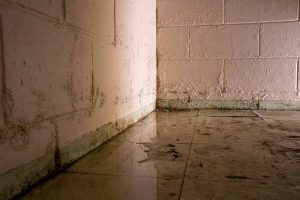
Without proper exterior waterproofing, your home can suffer from issues like mold, mildew, and structural damage. These problems can be costly to fix, not to mention the health risks they pose.
Exterior waterproofing forms a barrier that prevents water from making contact with your home.
Don’t wait until there’s a problem. Be proactive. Invest in exterior waterproofing now to guarantee the longevity of your home. It’s a small price to pay for peace of mind, knowing that your home is safe from potential water damage.
Myth 2: Cracks Just Need Filler
Moving on to another common misconception is the idea that cracks in your home’s foundation just need a bit of filler. This might seem like a quick fix, but it’s not as simple as it appears.
In reality, merely filling the cracks won’t solve the underlying issues. Think of it like this: you’ve got a fever because you’re sick. Taking a painkiller might reduce your temperature, but it won’t cure the illness itself.
Similarly, filling cracks can hide the problem temporarily, but it won’t fix the root cause. Cracks in your basement aren’t just cosmetic issues. They’re often symptoms of more significant structural problems.
If you’re seeing cracks, it’s likely your home’s foundation is shifting—something you can’t fix with filler. It’s essential to get a professional assessment to determine the cause of the cracks and devise an appropriate solution.
You might need more substantial repairs, such as underpinning or even a full foundation replacement.
Myth 3: Basement Leaks Aren’t Serious
Basement leaks might seem like minor inconveniences, but don’t be fooled. They’re far more serious than you might think. It’s easy to dismiss a small trickle of water as insignificant, but even the slightest leak can indicate a much larger issue at hand.
You see, leaks don’t just create damp spots. Over time, they can lead to major structural damage. The constant presence of water can weaken the foundation of your home, compromising its structural integrity.
It’s not just about a damp basement; it’s about the safety and value of your entire home.
Additionally, a leaky basement encourages mold growth. This isn’t just an aesthetic issue—it’s a health hazard. Mold can trigger allergies, cause respiratory problems, and even lead to severe illnesses.
Lastly, leaks can lead to higher utility bills. Damp basements make your heating and cooling systems work harder, causing a spike in your energy costs.
Myth 4: All Waterproofing Methods Are Equal
Don’t fall for the myth that all waterproofing methods are created equal. This is simply not true. The effectiveness of a waterproofing technique depends on various factors including the severity of the water problem, the type of soil around your home, and the construction of your basement.
For instance, if you’re dealing with minor dampness, a simple waterproof paint might do the trick. However, if you’re facing serious water intrusion, you’ll likely need a more robust solution like an interior water drainage system or exterior waterproofing. Each method has its strengths, and knowing which one fits your situation can save you time, money, and frustration.
Moreover, not all materials used in waterproofing are the same. Some products may be marketed as ‘waterproof’ when they’re only water-resistant. Understanding this distinction is essential. Waterproof materials provide a complete barrier against water, while water-resistant ones only slow down water penetration.
Lastly, remember that the installer’s expertise plays an integral role. Even the best waterproofing method can fail if improperly installed. So, it’s not just about the method, it’s about who’s doing the job too. Always choose a reputable contractor for your waterproofing needs.
Myth 5: Waterproofing Is a One-Time Job
Contrary to popular belief, waterproofing isn’t a one-time job. You might think that once you’ve waterproofed your basement, you’re done. Nothing could be further from the truth.

Just like any other part of your home, your basement’s waterproofing needs regular maintenance and check-ups.
Think of it like a car. You wouldn’t just change the oil once and never again, right? Similarly, waterproofing needs to be revisited to guarantee it’s still doing its job. Over time, the waterproofing materials can deteriorate, and new cracks or leaks might appear that weren’t there when you first waterproofed.
Moreover, weather conditions and seasonal changes can take a toll on your basement’s waterproofing. Heavy rain or snow, for instance, can put additional pressure on your basement walls and floor, potentially compromising the waterproofing.
Your best bet? Schedule regular inspections with a professional. They’ll be able to identify any issues early on, preventing costly damage down the line.
It’s in your best interest to treat waterproofing as an ongoing project, not a one-and-done deal. So, don’t fall for this myth. Waterproofing is definitely not a one-time job.
Don’t be fooled by basement waterproofing myths. Remember, exterior waterproofing is essential, and filling cracks isn’t a thorough solution. Leaky basements signal serious issues that need attention. Not all waterproofing methods provide the same protection, so choose wisely. Finally, waterproofing isn’t a one-and-done deal—it requires regular maintenance. Stay informed and take preventative measures to protect your home from damaging moisture and structural issues. It’s always better to be safe than sorry.

Giulio and Jennifer Bevilacqua are the dedicated and passionate owners of Highlander Waterproofing, a trusted name in basement waterproofing and foundation repair. With a commitment to protecting homes and ensuring the safety and well-being of families, Giulio and Jennifer have built Highlander Waterproofing into a premier service provider in the region. Their hands-on approach, combined with years of industry expertise, has helped them earn a stellar reputation for delivering reliable and effective waterproofing solutions.
The Bevilacquas pride themselves on offering personalized service, using proven techniques, and employing a team of highly trained professionals who share their dedication to quality workmanship. As a family-owned and operated business, Giulio and Jennifer emphasize integrity, transparency, and a genuine concern for their clients’ needs. They believe in building lasting relationships with their customers by ensuring each project is completed to the highest standards. Highlander Waterproofing continues to thrive under their leadership, offering innovative solutions and exceptional customer service that homeowners can depend on.