


Imagine you’re facing a mold infestation in your damp basement or worried about preserving the structural integrity of your historic home. You’re not alone. Many homeowners have confronted these challenges head-on by leveraging waterproofing solutions. From a family getting rid of mold to a homeowner preventing future flooding, these real-life experiences highlight the pivotal role of waterproofing in enhancing home value and comfort. Intrigued? Let’s discuss this further.
Key Takeaways
- Case studies reveal how waterproofing can prevent mold infestation, enhancing health and living conditions in damp basements.
- Historic homes have been preserved using tailored waterproofing solutions, showcasing the versatility and effectiveness of these methods.
- Waterproofing has successfully prevented basement flooding in numerous cases, providing homeowners with enhanced peace of mind and security.
- By addressing humidity damage through waterproofing, homeowners have resolved issues like peeling paint, thereby strengthening their home’s structural integrity.
- Waterproofing plays a critical role in maintaining structural integrity, with numerous successful examples of homes enhanced for stability and safety.
Understanding the Basics of Waterproofing
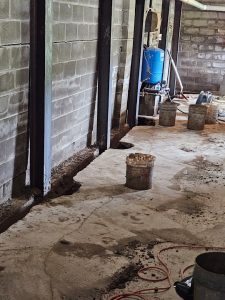
Nearly every homeowner will face the challenge of waterproofing at some point. It’s not a question of if, but when. Your home’s integrity depends on it, and so does your peace of mind.
So, let’s get down to the basics.
Waterproofing is all about creating a barrier between your home and water. It’s a protective measure that prevents water from seeping into your home and causing damage. Whether it’s from rain, snow, or ground water, moisture has a way of finding its way in.
But with proper waterproofing, you can keep it out.
Now, there are different types of waterproofing methods, each with its own pros and cons. These include interior waterproofing, exterior waterproofing, and drainage systems.
The type you choose depends on your home’s specific needs and the level of protection you require.
Case Study 1: Escaping Mold Infestation
Battling a mold infestation can be a nightmare, as one homeowner in Seattle discovered.
You see, their basement was damp and dark, a prime breeding ground for mold, which started to creep up the walls. It wasn’t just a cosmetic issue. Mold can cause health problems too.
They tried everything to get rid of it. They scrubbed, they bleached, they even hired professionals, but the mold kept coming back.
Why? Because the root of the problem wasn’t being addressed: the moisture.
That’s where waterproofing came in. By applying waterproof materials to the walls and floor, they were able to stop the moisture, and in turn, the mold.
Here’s what they found:
- Waterproofing isn’t just about stopping water. It’s about controlling moisture. Once the moisture was under control, the mold had nowhere to grow.
- Waterproofing not only stopped the mold but also prevented it from returning. No more scrubbing, no more bleach, no more mold.
- The peace of mind that came with knowing their health wouldn’t be compromised anymore.
You don’t have to live with mold. Waterproofing can stop it for good.
The Economic Benefits of Waterproofing
While you might view waterproofing as a costly expense, it’s actually a smart investment that can save you money in the long run.
Think about it this way: by waterproofing your home, you’re creating a barrier against potential water damage. This can prevent costly repairs down the line, such as fixing a water-damaged foundation or replacing mold-infested drywall.
Not only does waterproofing save you money in home repairs, but it can also increase your home’s value. Buyers are willing to pay more for a house that’s been well cared for, and waterproofing is a clear sign of that care.
Additionally, a waterproofed home is more energy-efficient, which can save you on utility bills.
Case Study 2: Saving a Historic Home
Imagine you’re tasked with preserving a historic home, yet its crumbling basement poses a serious challenge.
Faced with the potential loss of this cultural asset, you decide to implement a waterproofing solution.
Let’s explore how you address these challenges and successfully save the historic home.
Historic Home’s Challenges
In the heart of the city, a centuries-old home stands, its historic charm marred by persistent water leakage problems. You, as the homeowner, are faced with an intimidating task. You have to preserve the architectural integrity of your historic home while addressing the water woes.
The first challenge you encounter is the home’s old construction materials. They’re susceptible to moisture and rot, making them a poor barrier against water.
Next, the house’s age means that it lacks modern waterproofing systems.
Finally, your home’s location in the city center poses another issue. It’s surrounded by concrete, which exacerbates runoff and increases the risk of basement flooding.
- Old construction materials susceptible to moisture and rot
- Lack of modern waterproofing systems due to the home’s age
- Location in the city center, surrounded by concrete, exacerbating runoff
You’re not alone in this. Many homeowners of historic properties face similar challenges.
However, with the right approach, you can tackle these issues head-on and maintain the beauty and integrity of your cherished historic home, just like the homeowners in the next case study.
We’ll discuss their successful waterproofing implementation in the next section. So, stay tuned.
Successful Waterproofing Implementation
Just as you may be grappling with water leakage problems in your historic home, the homeowners in our next case study faced similar challenges. Their 19th-century Victorian house was a victim of persistent dampness, mold growth, and structural damage due to water intrusion.
Despite the challenging task, they didn’t lose hope. They hired a professional waterproofing company that had experience dealing with historic properties. The team meticulously evaluated the property, identifying all the weak spots prone to water leakage.
They didn’t just slap a one-size-fits-all solution; instead, they tailored a waterproofing system that respected the home’s historic integrity. They employed a variety of techniques, such as sealing cracks, installing a French drain system, and applying waterproof masonry coatings.
The basement, a major trouble spot, was transformed with a sump pump and vapor barrier installation. The result? A dry, mold-free home that retained its historic charm.
This case demonstrates that even the most delicate, aged homes can benefit from modern waterproofing solutions. You too can restore your historic home’s glory and protect it from future water damage.
You just need the right professionals by your side, and a willingness to take the plunge.
Waterproofing and Structural Integrity
Think about the stability of your home.
It’s not just about having a solid foundation or sturdy walls; waterproofing plays a vital role too.
Let’s explore how waterproofing isn’t just a necessity, but a key player in enhancing home stability.
Enhancing Home Stability
When it comes to your home, nothing rivals the importance of stability. Living in a house that’s structurally sound gives peace of mind and guarantees your family’s safety. Waterproofing plays a vital role in enhancing this stability.
Waterproofing prevents moisture from seeping into your home’s foundations and walls. This, in turn, protects against potential damage which could compromise your home’s structural integrity.
Think about it: would you feel safe living in a house where the walls could crumble or where the foundation could shift due to water damage?
There have been numerous cases where waterproofing has saved homeowners from expensive and potentially dangerous structural issues.
Have a look at these examples:
- A homeowner in Austin, Texas, had an old house with a leaking basement. After waterproofing, not only did the leaks stop, but the house also became more stable due to the absence of water infiltration.
- In Florida, a couple’s waterfront property was saved from potential collapse due to rising sea levels, thanks to the waterproofing of their home’s foundation.
- A family in California protected their hillside home from landslides with extensive waterproofing measures.
Waterproofing: A Necessity
Having considered the importance of waterproofing for enhancing home stability, it’s clear that waterproofing isn’t a luxury—it’s a necessity. You see, it’s not just about avoiding damp walls or preventing mold growth, it’s about maintaining your home’s structural soundness.
Imagine for a moment that water seeps into the building materials of your home. Over time, this moisture can deteriorate those materials, leading to significant structural damage. In extreme cases, it can even threaten the integrity of your entire home. That’s not a scenario any homeowner wants to face, is it?
But here’s the good news: with proper waterproofing, you can prevent this. You can protect your home from the havoc that unchecked water can wreak.
Don’t wait until you’re dealing with the consequences of water damage—take preventative action now. Consider waterproofing an essential investment in the longevity of your home.
In the long run, waterproofing can save you from costly repairs and maintain the value of your property. So, don’t think of it as an extra expense, think of it as a necessity.
After all, isn’t the peace of mind that comes with knowing your home is protected worth it?
Case Study 3: Preventing Basement Flooding
In the heart of winter, a homeowner’s worst nightmare can be a flooded basement. Imagine waking up on a chilly morning to find water seeping through your basement walls, turning your comfortable haven into a soggy mess. This was the harsh reality for one homeowner in our third case study until they decided on a waterproofing solution.
Waterproofing isn’t just about reacting to a problem; it’s about being proactive. The homeowner in our case study realized that to prevent future flooding, they’d to take action.
Here’s what they did:
- Sealed Cracks and Gaps: They identified and sealed all cracks and gaps in the basement walls and floor.
- Installed a Sump Pump: To efficiently manage water accumulation, they installed a sump pump.
- Applied a Waterproof Coating: They coated the basement walls and floor with a waterproof sealer to prevent any water intrusion.
With these steps, they successfully turned a potentially disastrous situation into a triumph, saving them from the turmoil of future basement floods.
Now, they can enjoy winter without dreading the nightmare of a flooded basement. The effectiveness of a waterproofing solution is evident in this case study. It’s not just about damage control; it’s about prevention and peace of mind.
Enhancing Home Value Through Waterproofing
Believe it or not, waterproofing your home can greatly boost its value. You might be wondering how. Well, it’s simple. By waterproofing your home, you’re protecting it from potential water damage, which can be incredibly costly down the line. That’s an attractive feature for potential buyers who are looking for a sturdy, well-maintained house.
Now, let’s talk specifics. When your home is waterproof, it’s protected against leaks, mold, and foundation damage.
That means less money spent on repairs and maintenance. It’s not just about the cost savings, though. A waterproof home is a healthy home. It reduces the risk of mold and mildew, which can lead to health issues.
Case Study 4: Combatting Humidity Damage
Now, let’s turn our attention to a real-life example of waterproofing in action – “Case Study 4: Combatting Humidity Damage”.
This particular homeowner lived in a region notorious for high humidity levels. Over time, this humidity caused significant damage to their home, leading to mold growth, peeling paint, and even structural damage.
They decided to invest in waterproofing services, and the transformation was remarkable.
Here’s a quick rundown of the changes they experienced:
- Mold and mildew: With waterproofing, the dampness that was encouraging mold growth was eliminated, providing a healthier living environment.
- Peeling paint: The constant humidity was causing their paint to peel off. Waterproofing solved this problem, enhancing the aesthetics of their home.
- Structural damage: Waterproofing strengthened the house, preventing the escalation of structural damage caused by moisture.
In short, waterproofing saved this homeowner from the detrimental effects of humidity damage.
The benefits were instantly visible and long-lasting, proving that waterproofing isn’t just a quick fix, but a sustainable solution to protect your home.
Future-Proofing Homes With Waterproofing
Embracing waterproofing as a preventive measure, you can future-proof your home against potential water damage. It’s about taking action now to protect your investment in the long run.
You’re not just safeguarding against immediate issues like leaks and floods, but you’re also combating gradual damage, including dampness, mold, and structural instability, which can be costly to fix.
Waterproofing your home isn’t a one-size-fits-all solution. It’s tailored to your home’s specific needs, whether it’s sealing your basement, reinforcing your roof, or improving drainage.
It’s a strategic step towards ensuring your home stays dry and secure.
But it’s more than just about saving money. It’s about peace of mind.
When you waterproof your home, you’re creating a safer, healthier living environment for you and your loved ones. You’re reducing the risk of respiratory issues linked to dampness and mold.
You’re ensuring that your home remains a comfortable, resilient space, no matter what the weather throws at it.
Case Study 5: Surviving a Storm Surge

Let’s take a closer look at a concrete example of why waterproofing is so important: “Case Study 5: Surviving a Storm Surge”.
Imagine you’re living in a coastal town, vulnerable to the inevitable storm surges. One homeowner, we’ll call him John, decided to waterproof his house. He didn’t just weather the storm, he emerged without a single drop of water damage.
- John’s basement, often a casualty in storm surges, stayed bone-dry thanks to waterproofing measures.
- His wall reinforcements held up, offering an additional layer of protection.
- Importantly, following the storm, his insurance premiums dropped due to the reduced risk.
Waterproofing your home isn’t just about surviving a storm surge, it’s about coming out the other side unscathed.
It’s about saving money in the long run, with reduced insurance premiums and zero renovation costs.
It’s about peace of mind, knowing your home can withstand whatever Mother Nature throws at it.
John’s story isn’t unique. Your home can be just as resilient. So, isn’t it time you considered waterproofing?
As seen from these case studies, waterproofing isn’t just a precautionary measure, it’s an investment. It bolsters your home’s structural integrity, wards off health hazards like mold, and can even increase your property value. So, don’t hesitate to waterproof your home. It’s about securing peace of mind for you and your family. Remember, a little effort now can save you a lot of trouble down the line. Waterproofing is definitely worth it.

Giulio and Jennifer Bevilacqua are the dedicated and passionate owners of Highlander Waterproofing, a trusted name in basement waterproofing and foundation repair. With a commitment to protecting homes and ensuring the safety and well-being of families, Giulio and Jennifer have built Highlander Waterproofing into a premier service provider in the region. Their hands-on approach, combined with years of industry expertise, has helped them earn a stellar reputation for delivering reliable and effective waterproofing solutions.
The Bevilacquas pride themselves on offering personalized service, using proven techniques, and employing a team of highly trained professionals who share their dedication to quality workmanship. As a family-owned and operated business, Giulio and Jennifer emphasize integrity, transparency, and a genuine concern for their clients’ needs. They believe in building lasting relationships with their customers by ensuring each project is completed to the highest standards. Highlander Waterproofing continues to thrive under their leadership, offering innovative solutions and exceptional customer service that homeowners can depend on.
