


When you’re grappling with the decision to waterproof new construction or an existing foundation, you’re fundamentally choosing between prevention and treatment. Waterproofing a new construction is like wearing a raincoat before the storm, allowing you to design the structure with ideal defenses in place. On the other hand, waterproofing an existing foundation can be akin to patching up a leaky roof during a downpour – more challenging and potentially more costly. Now, wouldn’t you want to know which option offers the best protection for your investment? Let’s discuss this intriguing topic further.
Key Takeaways
- New construction allows for a comprehensive, integrated approach to waterproofing, often yielding better results.
- Existing foundations may need extensive repairs before waterproofing, which can be costly and time-consuming.
- Modern waterproofing methods used in new construction typically offer warranties, ensuring long-term protection.
- The age and condition of existing foundations can limit the effectiveness of certain waterproofing methods.
- Budgeting for waterproofing differs between new and existing foundations, with new constructions usually including it in initial expenses.
Understanding Foundation Waterproofing
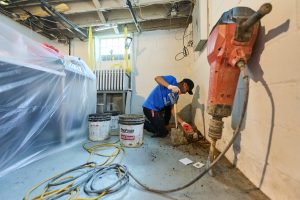 While you might think foundation waterproofing is a complex process, it’s actually quite straightforward when you get to know it. The first step is understanding why it’s important. Waterproofing your foundation prevents water from seeping into your home, causing damage to your property and potentially leading to health issues from mold growth.
There are different methods of waterproofing, each with its own pros and cons. You’ve got exterior waterproofing, which involves applying a waterproof coating or membrane to the outside of your foundation. This is typically the most effective method, but it can also be the most expensive and disruptive, as it often involves excavating around your home.
Interior waterproofing, on the other hand, is less intrusive and more affordable. It involves applying sealants and coatings to the inside of your foundation to prevent moisture from getting in. However, it’s usually considered a temporary solution, as it doesn’t address the root cause of the water issue.
Then there’s drainage solutions, which aim to redirect water away from your foundation. These can be effective but require regular maintenance to guarantee they stay clear and functional.
Understanding these basics will help you make informed decisions about your home’s waterproofing needs.
New Construction Waterproofing Basics
Let’s start with the basics of waterproofing new constructions.
You’ll need to understand the significance of selecting the right waterproofing materials and mastering installation techniques.
Don’t forget, maintaining your waterproofing system post-construction is just as important.
Waterproofing Materials Selection
Choosing the right waterproofing materials is a critical step in new construction waterproofing basics. Your choice will directly influence the longevity and effectiveness of your waterproofing efforts.
There’s a wide range of materials to select from, including liquid waterproofing membranes, cementitious waterproofing, and bituminous coating. Each of these options has its own unique benefits and drawbacks.
For instance, liquid membranes are highly flexible and offer seamless coverage, but they’re more expensive. Cementitious products are cost-effective and easy to apply, but they lack the durability of other options.
Bituminous coatings, on the other hand, offer a great balance of affordability and durability, but they carry an unpleasant odor and aren’t suitable for exposed areas due to their sensitivity to UV rays.
Remember, there’s no one-size-fits-all solution. Your selection should be driven by factors such as your budget, the nature of your structure, and local climate conditions.
It’s also worth noting that selecting high-quality materials is just as important as choosing the right type. Don’t compromise quality for cost savings.
It might seem like a good idea initially, but in the long run, low-quality materials may end up costing you more in repairs and replacements.
Installation Techniques Explored
You need to get your installation techniques right to guarantee the effectiveness of your waterproofing efforts. It’s not just about choosing the right materials; it’s also about how you apply them.
Firstly, the surface you’re waterproofing needs to be clean and dry. This assures the waterproofing material adheres properly. You don’t want any debris or dust interfering with the bond between the material and the surface.
Secondly, don’t rush the process. It’s important to allow each layer of waterproofing material to dry fully before applying the next. This helps create a strong, watertight seal.
Thirdly, be thorough. Cover every inch of the surface, paying particular attention to corners and edges. These are areas where water is most likely to penetrate, so they need extra protection.
Lastly, consider hiring a professional if you’re unsure. Waterproofing is a vital part of construction, and mistakes can lead to significant damage and repair costs. A professional will have the knowledge and experience to make sure the job is done right.
Post-Construction Maintenance Tips
Regularly maintaining your new construction’s waterproofing efforts is essential to guarantee they stand the test of time.
You’ve invested much time, effort, and resources into making sure your structure is protected against water damage. Now, it’s equally important to keep it that way.
Here are four post-construction maintenance tips to help you safeguard your waterproofing investment:
- Regular Inspections: Make it a point to periodically inspect your property. Look out for signs of moisture intrusion, like damp walls or a musty smell. These could be indicators of a waterproofing failure.
- Clean and Clear: Keep gutters, downspouts, and drainage systems clean and clear of debris. This ensures water can flow freely, reducing the chance of water pooling and causing damage.
- Seal Cracks Promptly: Over time, cracks may appear in your foundation. Don’t ignore them. Small cracks can lead to big problems if water seeps in. Promptly sealing them keeps your waterproofing intact.
- Hire Professionals: If you’re unsure about any aspect of maintenance or encounter a problem, hire professionals. They’ve the expertise to diagnose and fix issues before they escalate.
Benefits of Waterproofing New Foundations
You might wonder why waterproofing new foundations is essential.
It’s all about preventing future damage, which in turn saves substantial repair costs down the line.
Now, let’s discuss these benefits and some cost-effective methods to achieve them.
Preventing Future Damage
Proactively investing in waterproofing for new foundations can save you a great deal of trouble down the line. It isn’t just about preventing water damage right now, it’s about preventing future damage too. The benefits of this preventive measure are manifold and can put your mind at ease when it comes to your property’s longevity.
- Prevents Structural Damage: Waterproofing your new construction makes it resistant to water seepage, which can lead to serious structural damage over time.
- Avoids Mold and Mildew: Water infiltration often leads to the growth of mold and mildew. Waterproofing can help you avoid these health hazards.
- Increases Property Value: Ensuring that your new foundation is waterproof can greatly increase the value of your property. It’s an investment that pays off.
- Reduces Maintenance Costs: Waterproofing may seem like a large upfront cost, but it can save you from expensive repairs and maintenance in the long run.
Taking the steps to prevent future damage shows a commitment to your property and its value.
It’s not just about avoiding problems, it’s about creating a solid, dependable foundation that will stand the test of time.
Cost-Effective Waterproofing Methods
Understanding the importance of preventing future damage, let’s now look at ways to make this prevention cost-effective. Waterproofing new foundations doesn’t have to break the bank. In fact, there are several affordable methods you can use.
Firstly, consider using a waterproofing membrane. It’s durable, reliable, and can be installed with relative ease. It serves to provide a physical barrier against water penetration, making it a worthwhile investment.
There’s also the option of water-resistant paints and primers. These are more cost-effective than membranes and are ideal for areas with less water exposure.
Next, you’ve got the option of installing a drainage system. While this might sound expensive, it can actually save you money in the long run. By preventing water from pooling around your foundation, you can avoid costly repairs later on.
Lastly, remember that proper grading of your landscape is a cost-effective way to direct water away from your foundation. This simple solution can make a significant difference in the longevity of your foundation.
Challenges in New Construction Waterproofing
When starting on a new construction project, waterproofing comes with its unique set of challenges.
You’re not simply dealing with an established structure where you can expect certain conditions. Instead, you’re working with a blank canvas, and that can present some unexpected hurdles.
Here are four key challenges you might encounter:
- Understanding the Site: Every construction site is unique. You’ll need to understand the specifics of your site, such as soil type and water table level, to guarantee proper waterproofing.
- Choosing the Right Materials: Not all waterproofing materials are created equal. You’ll have to choose materials that suit your specific project and can withstand the conditions of your site.
- Installation Concerns: Proper installation of waterproofing materials is critical. You’ll need skilled workers who can correctly apply these materials to prevent future issues.
- Budgeting: Waterproofing can be expensive, especially if unexpected issues arise. You’ll need to plan carefully and allocate sufficient funds to guarantee the job is done right.
Existing Foundation Waterproofing Overview
Often, you’ll find that waterproofing an existing foundation requires a different approach than a new build. While new construction allows for more extensive measures, such as installing a waterproof membrane or drainage system during the building phase, existing foundations can pose unique challenges.
Waterproofing an existing foundation usually involves some excavation and retrofitting. You’ll need to expose the foundation walls fully, then apply the waterproofing layer and install a drainage system if needed. This can be a labor-intensive process, and it’s not always feasible or cost-effective if the foundation is deeply buried or surrounded by structures like patios, driveways, or landscaping features.
Additionally, you’ll have to deal with any existing damage or issues that could complicate the waterproofing process. For instance, cracks or structural weaknesses in the foundation need to be addressed before you can proceed. The age and condition of the foundation can also affect which waterproofing methods are suitable.
In some cases, interior waterproofing techniques might be a better option. These can include applying sealants to the interior walls, installing a sump pump to manage water accumulation, or adding interior drains.
While these methods mightn’t be as thorough as exterior waterproofing, they can still be effective in preventing water damage.
Advantages of Waterproofing Existing Foundations
Despite the challenges, waterproofing your existing foundation has several notable advantages.
You’re not just preserving your home’s structural integrity but also increasing its value and creating a healthier living environment.
- Prevents Structural Damage: Water seepage can erode your foundation, causing cracks, warping, and eventual collapse.
By waterproofing, you’re safeguarding your foundation against these issues, prolonging your home’s lifespan.
- Increases Property Value: A house with a waterproofed foundation attracts potential buyers.
It’s a sign of a well-maintained home and can meaningfully boost your property’s market value.
- Reduces Energy Costs: Moisture seeping into your home can increase humidity levels, making your HVAC system work harder to maintain a comfortable climate.
Waterproofing resolves this by keeping moisture out, thereby reducing energy use.
- Promotes Healthier Environment: Damp environments are breeding grounds for mold and mildew, which can lead to a range of health issues.
Waterproofing eliminates this problem, creating a healthier home for you and your family.
Difficulties in Waterproofing Old Foundations
Tackling the task of waterproofing an old foundation can present its own unique set of challenges. Unlike new construction, where you’re working with a clean slate, old foundations may have existing water damage, cracks, or structural issues that complicate the process.
Firstly, you’re dealing with uncertainty. You can’t always see what’s going on beneath the surface. A small visible crack might be the tip of the iceberg, hiding larger structural issues. It’s a bit of a guessing game, and sometimes, you won’t know the full extent of the problem until you’re knee-deep in it.
Secondly, time isn’t on your side. The longer a foundation has been exposed to the elements, the more damage it’s likely to have. Water can cause erosion, leading to instability and structural weaknesses.
These issues can’t be ignored during the waterproofing process. They must be addressed first, adding time, effort, and expense to your project.
Comparing Waterproofing Techniques: New Vs Old
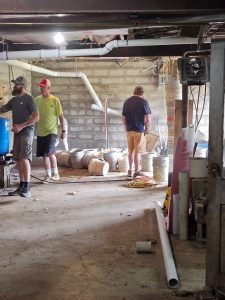 Comparing waterproofing techniques between new and old foundations, you’ll notice significant differences in the process. The procedures used, materials involved, and the overall complexity vary greatly.
When working with new construction, you have the advantage of accessibility and choice. You can select from the most recent, cutting-edge waterproofing methods. These methods often guarantee better longevity and efficiency.
However, with older foundations, your options may be limited. You may need to deal with existing damage or decay, which complicates the waterproofing process.
Here are four key differences you’ll encounter:
- New foundations allow the use of modern, high-quality waterproofing methods, while old foundations often necessitate traditional, sometimes less-effective methods.
- With new construction, you can integrate waterproofing into the initial design, but with old foundations, it’s more of an afterthought.
- New constructions often come with warranties on waterproofing work. However, with older buildings, you’re on your own.
- Finally, the cost varies greatly. New construction waterproofing is often included in the initial cost, while waterproofing an old foundation is an additional expense.
Understanding these differences will help you make informed decisions about your waterproofing needs.
Essential Waterproofing Tips and Precautions
Having taken into account the differences between waterproofing new and old foundations, it’s time to turn our attention to some practical advice.
Whether you’re working with a new construction or an existing foundation, there’s one tip that’s essential: don’t skimp on materials. You might be tempted to save money on cheaper products, but remember, you’re investing in your home’s future. High-quality waterproofing materials will pay off in the long run.
Next, always thoroughly inspect the foundation before beginning. Look for cracks, leaks, and other signs of damage. These areas need special attention during the waterproofing process. If you’re not sure what to look for, consider hiring a professional.
It’s also important to remember that waterproofing isn’t a one-time job. Regular maintenance can prevent future problems and save you a lot of hassle. Check your basement regularly for signs of dampness or leaks.
Lastly, if you’re tackling the job yourself, make sure you’re thoroughly prepared. Know the process, have the right tools, and take your time. Rushing could lead to mistakes and inadequate waterproofing.
Solid preparation, high-quality materials, regular maintenance, and careful work are your keys to successful waterproofing.
So, whether it’s a new build or an existing foundation, waterproofing is vital. New constructions offer the chance to incorporate modern, effective techniques from the start. Existing foundations present more challenges and can be costlier, but with proper planning, you can still safeguard them from water damage. Remember, each situation requires a unique approach, so assess your needs carefully and opt for the most suitable waterproofing method to guarantee long-lasting protection.

Giulio and Jennifer Bevilacqua are the dedicated and passionate owners of Highlander Waterproofing, a trusted name in basement waterproofing and foundation repair. With a commitment to protecting homes and ensuring the safety and well-being of families, Giulio and Jennifer have built Highlander Waterproofing into a premier service provider in the region. Their hands-on approach, combined with years of industry expertise, has helped them earn a stellar reputation for delivering reliable and effective waterproofing solutions.
The Bevilacquas pride themselves on offering personalized service, using proven techniques, and employing a team of highly trained professionals who share their dedication to quality workmanship. As a family-owned and operated business, Giulio and Jennifer emphasize integrity, transparency, and a genuine concern for their clients’ needs. They believe in building lasting relationships with their customers by ensuring each project is completed to the highest standards. Highlander Waterproofing continues to thrive under their leadership, offering innovative solutions and exceptional customer service that homeowners can depend on.
