


Imagine you’re home during a severe storm and the power goes out. Suddenly, you’re not just dealing with a dark house, but the potential for a flooded basement as well. What’s your plan? Backup sump pumps could be your saving grace, ensuring your basement remains dry even in the toughest conditions. We’ll explore some of the best pump backup options, from battery backups to water-powered pumps, each with its own advantages. Curious about which might suit your home best? Let’s take a closer look.
Key Takeaways
- Backup sump pumps ensure basements stay dry during power outages, reducing the risk of property damage and health hazards.
- Power outage-resistant options include battery, water, and generator-powered backup sump pumps, each with unique benefits.
- Battery backups are reliable and durable, water-powered pumps offer long-term cost savings, and generator-powered options provide flexibility.
- Choosing a backup solution involves considering factors such as budget, power outage frequency, and potential flooding severity.
- Professional installation and strategic placement can optimize pump performance, while warranties can provide additional investment protection.
Understanding Basement Flooding
When it comes to basement flooding, it’s essential to understand that it’s not just a nuisance. It’s a real threat that can cause significant damage to your home, possessions, and even your health.
Imagine descending your stairs to find your once dry basement submerged in water—an unwelcome swimming pool.
Basement flooding often occurs due to heavy rainfall, snowmelt, or a high water table. Depending on the severity, it can ruin your furniture, appliances, and precious keepsakes.

But, it’s not just about the tangible losses. Flooding can create a perfect environment for mold and mildew to thrive, jeopardizing your family’s health.
Moreover, damp basements can compromise your home’s structural integrity. The pressure of water surrounding your basement—hydrostatic pressure—can lead to cracks in the walls and floor.
Over time, this can weaken the structure and cause significant damage.
Importance of Sump Pumps
Sump pumps are your best defense against basement flooding. They’re installed in the lowest part of your basement or crawlspace, working tirelessly to keep the area dry by pumping out water that collects. They’re especially essential during storms, when heavy rainfall can quickly overwhelm your home’s drainage system.
Consider this: without a sump pump, water can seep into your basement, leading to structural damage, mold growth, and loss of property. It’s not just about keeping your basement dry—it’s about preserving the integrity of your home and your belongings.
Let’s take a look at why sump pumps are so important:
| Benefit | Description | Result |
|---|---|---|
| Prevents Flooding | Sump pumps remove excess water from your basement, reducing the risk of flooding. | Keeps your basement dry and livable. |
| Prevents Mold and Mildew | By keeping your basement dry, sump pumps reduce the risk of mold and mildew, which thrive in damp environments. | Protects your health and the air quality in your home. |
| Protects Property | Sump pumps prevent water damage to items stored in your basement. | Saves you the cost and hassle of replacing damaged property. |
Common Sump Pump Failures
Despite the essential role they play, sump pumps aren’t immune to occasional breakdowns and failures. One of the most common issues you might face is a power outage. If your sump pump is solely reliant on electricity, it’ll stop working when the power goes out, leaving your basement vulnerable to flooding.
Another common failure is an overwhelmed pump. If your pump isn’t powerful enough to handle the volume of water coming in, it can become overwhelmed and fail to keep your basement dry.
Switch failures are also common. The switch might become stuck in the ‘off’ position, causing the pump to not kick in when needed. Sometimes, the pump can also get stuck in the ‘on’ position, causing it to run continuously and eventually burn out.
Lastly, the pump may fail due to age or lack of maintenance. Just like any piece of machinery, sump pumps have a lifespan and require regular maintenance. If neglected, parts can wear out and the pump can malfunction or stop working altogether.
Battery Backup Sump Pumps
Although your sump pump plays an essential role in keeping your basement dry, it’s not invincible to power outages. When the power goes out, your pump loses its power source and can’t pump water out of your basement. This is where a battery backup sump pump comes to the rescue.
A battery backup sump pump is a second pump installed in your sump pit. It’s powered by a separate battery and automatically kicks in when the main pump loses power. This way, your basement remains dry even during a power outage.
Here are three reasons why a battery backup sump pump is a great investment:
- Reliability: Battery backup sump pumps provide an extra layer of protection for your basement. They guarantee that your basement doesn’t flood during power outages.
- Durability: These pumps are designed to last and withstand heavy usage.
- Ease of installation: Battery backup sump pumps are relatively easy to install. You don’t need to be a professional plumber to set them up.
Water-Powered Backup Sump Pumps
Let’s turn our attention to water-powered backup sump pumps.
You’ll learn how they work, how to install and maintain them, and we’ll examine their efficiency and cost.
Ensuring a dry basement during a power outage can be straightforward with this type of pump, so let’s explore.
Understanding Water-Powered Pumps
Steering through the world of water-powered pumps, also known as water-powered backup sump pumps, can initially seem complex.
But don’t worry, you’ll soon grasp why these devices are such valuable assets in keeping your basement dry during a power outage.
Water-powered sump pumps harness the power of your home’s municipal water supply to create suction and pump out excess water from your basement.
They don’t rely on electricity, so they’ll keep working even when your lights go out.
Here’s a succinct rundown:
- How they work: When water levels rise in the sump pit, the pump activates. It uses the pressure of your home’s water supply to create a vacuum that sucks up and expels the excess water.
- Efficiency: Although not as powerful as primary electric pumps, they can still handle a significant amount of water. It’s a reliable backup system.
- Cost-effective: They’re relatively affordable and can save you thousands in potential water damage repairs.
Installation and Maintenance
Now that you’ve got a grasp on how water-powered backup sump pumps work and why they’re beneficial, it’s time to assess their installation and maintenance.
The installation process is relatively simple, but it’s best to hire a professional to guarantee it’s done right. They’ll connect the pump to your home’s water supply, which will need a certain level of water pressure to operate effectively.
Once installed, maintenance is minimal. The beauty of these pumps is they don’t require electricity or batteries, so you won’t have to worry about frequent checks or replacements.
However, it’s recommended to inspect the pump every few months. Look for any signs of leaks or damage and confirm the pump activates when water levels rise.
Remember, while these pumps are reliable, they’re not entirely foolproof. The pump’s performance can be affected by low water pressure from your supply or a sudden large influx of water.
Hence, it’s vital to keep an eye on it during heavy rainfall or extreme weather conditions.
In the next section, we’ll explore the efficiency and cost analysis of these pumps, providing more insights to help you make an informed decision.
Efficiency and Cost Analysis
In the domain of efficiency, water-powered backup sump pumps truly shine. They’re a godsend, especially when your primary electric sump pump fails during power outages. But how do they stack up regarding cost and efficiency?
- Efficiency: Water-powered sump pumps don’t require electricity, meaning they’ll keep your basement dry even during a blackout. They use the force of flowing water to create suction, pulling water out of your sump pit. You’re covered during those stormy nights when power is unreliable.
- Cost of Installation: Initially, these pumps might seem expensive. The pump itself can range from $100 to $400. Plus, you’ll need professional installation, adding to the upfront costs. However, don’t let the initial price scare you.
- Long-term savings: Here’s where you’ll see the real value. With minimal maintenance, these pumps can last 20 years or more. Over time, you’ll save on replacement costs for electric pumps, which typically last only 5-10 years.
Plus, you’ll avoid potential water damage costs from power outages.
When you consider the long-term savings and peace of mind, a water-powered backup sump pump is a worthwhile investment.
Generator-Powered Sump Pumps
You might be wondering how to keep your basement dry when the power goes out. One option is to invest in a generator-powered sump pump. This system operates independently of your home’s electricity, and can be a real game-changer during power outages.
A generator-powered sump pump works by utilizing an external generator to power the pump. It’s a rugged, reliable solution that won’t let you down, even in the worst of weather. When the power goes out, you simply start up the generator, and it takes over the job of keeping your basement dry.
But there’s more. Generator-powered sump pumps also offer flexibility. You can select the size and power of the generator based on your specific needs.
If your basement is prone to serious flooding, you’ll want a more powerful generator. On the other hand, if you only experience occasional, minor leaks, a smaller generator may suffice.
Choosing the Right Backup Solution
After evaluating your basement’s specific needs, it’s essential to pick the right backup solution to keep it dry during power outages.
The correct choice depends on various factors like your budget, the frequency of power outages in your area, and the severity of potential flooding.
Here are three key considerations when deciding on the best backup solution:
- Budget: Backup systems range from affordable water-powered sump pumps to pricier battery-powered units.
Determine what you’re willing to spend up front and consider the long-term operating costs.
- Power Outage Frequency: If power outages are a common occurrence in your area, investing in a more robust system might be worthwhile.
- Potential Flooding Severity: Assess the risk of severe flooding in your basement.
If it’s high, choose a system with a higher capacity to handle larger volumes of water.
Maintenance Tips for Backup Pumps
To guarantee your backup pump operates effectively during power outages, regular maintenance is a must. You can’t just install it and forget about it. A neglected pump won’t perform when you need it most.
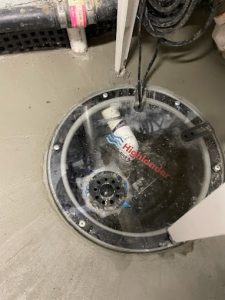
Firstly, always keep an eye on your battery. Most backup systems use batteries that need replacement every 2-3 years. Verify your battery’s in good shape, and replace it if needed. You don’t want to discover a dead battery during a power outage.
Next, check for debris in the pit. Leaves, dirt, or other debris can clog your pump, hindering its operation. Regularly cleaning the pit will help your pump operate smoothly.
Also, consider running a test every few months. This can help you catch any potential issues before they become serious. Simply pour a bucket of water into the pit and watch how your pump responds.
Lastly, inspect your pump for any signs of corrosion or damage. If you notice anything unusual, it might be time for a repair or replacement.
Don’t let power outages leave you with a flooded basement. Choose a backup sump pump system that suits your needs, whether it’s battery, water, or generator-powered. Regular maintenance is key to guarantee its reliability. Investing in a backup system not only keeps your basement dry but also preserves your home’s safety and health. So, protect your home and give yourself peace of mind, even during the harshest weather conditions.

Giulio and Jennifer Bevilacqua are the dedicated and passionate owners of Highlander Waterproofing, a trusted name in basement waterproofing and foundation repair. With a commitment to protecting homes and ensuring the safety and well-being of families, Giulio and Jennifer have built Highlander Waterproofing into a premier service provider in the region. Their hands-on approach, combined with years of industry expertise, has helped them earn a stellar reputation for delivering reliable and effective waterproofing solutions.
The Bevilacquas pride themselves on offering personalized service, using proven techniques, and employing a team of highly trained professionals who share their dedication to quality workmanship. As a family-owned and operated business, Giulio and Jennifer emphasize integrity, transparency, and a genuine concern for their clients’ needs. They believe in building lasting relationships with their customers by ensuring each project is completed to the highest standards. Highlander Waterproofing continues to thrive under their leadership, offering innovative solutions and exceptional customer service that homeowners can depend on.
