


In older homes, foundation issues can be a costly headache if they’re not spotted early on. You might be wondering how to identify these problems before they wreak havoc, right? Well, some signs are glaringly obvious, like visible cracks in walls or misaligned doors and windows. Yet, there are subtler indications too, such as uneven floors, musty odors in basements, or even gaps in exterior doors. Would you like to learn how to spot these often-overlooked signals? The answer might just save you a fortune in repair costs.
Key Takeaways
- Regularly inspect corners, windows, and doors for cracks, a common sign of foundation problems in older homes.
- Pay attention to misaligned doors and windows, as gaps or drafts can indicate structural shifts due to foundation instability.
- Check for dampness or musty odors in basements, signaling potential moisture issues affecting the foundation.
- Look for multiple small cracks or those that grow over time, as they can signify serious foundation issues needing professional evaluation.
- Seek professional help for thorough foundation inspections and soil testing, as older homes may have unique settlement patterns and soil-related problems.
Understanding Foundation Basics
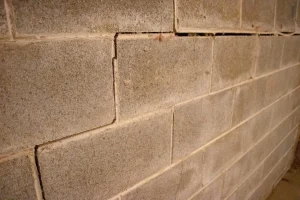 In the realm of home maintenance, foundation basics hold a pivotal role. Comprehending the different foundation types and understanding how soil composition impacts these foundations isn’t something to overlook.
Your home’s foundation is the bedrock of its structure. It’s what keeps your house stable, ensuring it doesn’t topple or sink. Several foundation types exist, each with its distinct advantages and disadvantages. You’ve got slab, crawl space, and basement foundations. The choice of foundation often hinges on the region’s typical soil composition and climate.
Soil composition, simply put, is what your soil is made of. It’s vital to know because different soils react differently to moisture, and this can affect your foundation.
For instance, clay soil expands when wet and contracts when dry, causing movement that can damage your foundation. On the other hand, sandy soil doesn’t hold water well, leading to shifting and settling issues.
Warning Signs: Interior Cracks
Next up, let’s talk about interior cracks, your home’s distress signals.
You need to know how to spot wall and ceiling cracks, understand the type and severity of these cracks, and learn how to address these issues.
Don’t overlook these signs as they can provide vital clues about the health of your home’s foundation.
Identifying Wall and Ceiling Cracks
Before you even think about purchasing an older home, make sure to scrutinize its walls and ceilings for cracks. These are potential warning signs of foundation issues and shouldn’t be taken lightly. Apply crack detection techniques to reveal hidden cracks that the naked eye can’t see.
Use a flashlight to scan the walls and ceilings. Examine the corners, where walls meet ceilings, and around windows and doors, as cracks often form in these areas. You’re looking for hairline cracks, which mightn’t be problematic, but could indicate more serious issues lurking underneath.
Next, you’ll want to assess crack patterns. Horizontal cracks are particularly worrisome, as they suggest a serious issue with the home’s foundation. Vertical or diagonal cracks, on the other hand, might be due to the house settling over time.
Keep in mind that it’s not just about the presence of cracks, but the number and location, too. Multiple cracks, even if they’re small, can signify a problem.
Crack Types and Severity
A myriad of cracks can appear in an older home, each telling its own tale of potential foundation issues. You’ll find vertical cracks, horizontal cracks, diagonal cracks, and even hairline fractures. Each one indicates a different problem, from settlement cracks suggesting soil movement to step cracks indicating structural issues.
| Crack Type | Associated Issue |
|---|---|
| Vertical Cracks | Settlement Cracks |
| Horizontal Cracks | Foundation Heaving |
| Diagonal Cracks | Structural Cracks |
| Hairline Fractures | Minor Shrinkage |
Take note of crack width, depth, and patterns. The broader and deeper a crack, the more severe the problem. Horizontal cracks often signal foundation heaving, while vertical cracks typically show settlement. Diagonal or step cracks suggest a structural imbalance. Don’t downplay hairline fractures; while they’re often due to minor shrinkage, they can evolve into more significant issues.
Remember, proper crack repair isn’t just about patching. It’s about understanding what your home’s cracks are telling you and addressing underlying issues to prevent future damage. Be vigilant in spotting these signs and take action before it escalates.
Addressing Interior Crack Issues
Don’t turn a blind eye to interior cracks in your older home. These signs could point to a larger, more serious foundation issue. Paying close attention to crack patterns can provide clues about the underlying problem. Straight cracks might indicate settling issues, while jagged or zigzag cracks could suggest movement in your home’s structure.
Consider these factors when evaluating interior cracks:
- Location: Cracks near doors and windows might suggest foundation issues.
- Size: Wide cracks often indicate serious problems.
- Pattern: Zigzag or horizontal cracks may be due to foundation movement.
- Progression: If cracks are growing over time, it’s likely a serious issue.
- Repair history: Cracks that have been repaired but reappear signal ongoing problems.
After identifying the crack patterns, explore your repair options. This could involve simple DIY fixes for minor cracks or professional assistance for more severe issues.
Doors and Windows Misalignment
In older homes, you may notice your doors and windows aren’t lining up perfectly anymore. You might struggle with a door that won’t shut properly or a window that’s tough to open.
These issues aren’t just inconvenient; they’re potential signs of foundation problems.
When it comes to door alignment, even a slight shift in your home’s foundation can throw things off. You might see gaps between the door and the frame, or the door might stick in certain places.
It’s not just an eyesore, it’s a red flag. Don’t ignore it.
Window sealing is another crucial aspect to consider. Are your windows letting in drafts, even when they’re fully closed?
Is the caulking cracking or peeling away? These might seem like minor issues, but they’re often signs of a shifting foundation.
Uneven or Sloping Floors
Moving beyond misaligned doors and windows, you might also notice your floors starting to slope or appear uneven. This is another sign you’re dealing with foundation issues in your older home. A detailed floor inspection can help you confirm this.
Conducting a slope analysis is a crucial part of this inspection process. It helps you understand the degree of the slope and the areas affected. If you’re not sure how to do it, consider hiring a professional to get accurate results.
Here are some other signs you should look out for:
- Visible gaps between the floor and the wall
- Cracked or peeling floor tiles
- A noticeable dip when you walk across the room
- Furniture moving or shifting on its own
- Difficulty in sliding furniture across the floor
Don’t ignore these signs. They’re not just inconvenient; they can also be dangerous.
It’s important to tackle these issues early on before they escalate into bigger, costlier problems. Remember, maintaining the integrity of your home’s foundation is essential for the safety and value of your property.
External Cracks Indicating Danger
You might shrug off those hairline cracks on the exterior of your home as mere cosmetic issues, but they could indicate serious foundation problems.
These external cracks can be dangerous signs of a weakening foundation. It’s crucial not to dismiss them without a proper foundation inspection.
When you spot these cracks, they may initially seem insignificant. However, they can reveal a deeper, underlying issue. You should pay attention to their direction, length, and width. A crack assessment can help identify if these cracks are a result of natural settling, or if they’re signaling a more worrying structural problem.
If you spot larger, horizontal cracks, you should be particularly concerned. These can indicate serious pressure being exerted on your foundation, often from soil expansion or poor drainage.
Vertical or diagonal cracks can also be problematic, especially if they’re widening over time.
In short, don’t underestimate the danger that external cracks might represent. It’s better to be cautious and have a professional foundation inspection done than to ignore potential issues.
Noticing Gaps in Exterior Doors
Take a closer look at your exterior doors. If you’re noticing gaps, it may be an indication of underlying foundation issues. Door alignment and gap measurement are key factors to consider when assessing the integrity of your home’s foundation.
Over time, the foundation of your home can shift due to various factors like soil movement and extreme weather conditions. This movement can cause your doors to become misaligned, leading to visible gaps. You need to pay attention to these signs and take immediate action.
Here are steps to follow:
- Look for uneven gaps at the top or bottom of your doors.
- Use a level to check the door alignment.
- Measure the gap using a ruler or tape measure.
- Compare the gap measurement with the door’s original specifications.
- If there’s a significant difference, consult a professional for advice.
Moisture and Mold in Basements
Basements, the often-neglected space in older homes, can offer significant clues about foundation issues. If you notice dampness or a musty odor, you’re probably dealing with a moisture problem which could lead to mold – a clear sign of foundation woes.
Humidity control is key to mold prevention. Invest in a dehumidifier to keep the indoor air dry and improve air quality.
Moisture barriers, made from plastic or foil sheets, can be installed on the walls and floors to block moisture from seeping in.
Drainage solutions play a vital role too. If water pools around your property after heavy rain, it’s worth exploring.
Sump pumps can be installed to remove water collected in a basin and send it away from the house.
Ventilation systems can help circulate air and reduce moisture levels. However, in cold weather, you should close vents to avoid pipes freezing.
Insulation techniques, like spray foam, can be used to seal gaps and cracks, preventing cold air entry and condensation.
Effects of Soil Shrinkage
You may not realize it, but soil shrinkage can have a significant impact on your home’s foundation.
It’s important to understand what this means and how it can affect the stability of your older home.
Let’s explore how you can prevent damage caused by soil shrinkage.
Understanding Soil Shrinkage
Soil shrinkage might be quietly wreaking havoc on your older home’s foundation. This often overlooked issue is influenced by a variety of factors, which can drastically affect the stability of your house.
Understanding soil shrinkage starts by recognizing its causes:
- Changes in soil composition: Different soils have varying moisture retention capacities.
- Effects of tree roots: As they grow, roots can absorb moisture, leading to soil shrinkage.
- Seasonal changes: Periods of drought and excessive rain can both contribute to soil shrinkage.
- Landscaping effects: Improper landscaping can affect drainage, leading to soil issues.
- Foundation types: Some foundations are more susceptible to soil shrinkage than others.
With these factors in mind, you can begin to assess the risk of soil shrinkage.
Look for changes in your yard’s landscaping or shifts in your foundation, as these can be signs of trouble.
If you suspect soil shrinkage, soil stabilization and drainage solutions may be necessary to prevent further damage.
While dealing with soil shrinkage can be complex, understanding its causes is the first step in safeguarding your older home’s foundation.
Soil Shrinkage Impact
Having understood the causes of soil shrinkage, let’s now explore its impact on your older home’s foundation. Different soil types react differently to changes in moisture. For instance, clay expansion during wet seasons and subsequent shrinkage during dry periods can create enormous pressure on your home’s foundation, causing it to crack or shift.
Seasonal changes play a big role in this process, with the soil expanding and contracting due to moisture retention or lack thereof. Inadequate drainage solutions can exacerbate this problem, causing water to pool around your foundation, leading to more serious issues like root intrusion.
Root intrusion is another major concern. As trees and large plants search for water, their roots can intrude into the foundation, causing it to weaken or break apart.
Landscape grading also plays a crucial role in soil shrinkage impact. If the land around your home slopes towards it, water will naturally drain towards your foundation, increasing the risk of damage.
If left unchecked, these issues can lead to significant foundation damage, requiring extensive and expensive foundation repair. Spotting these signs early can save you a lot of hassle and money in the long run.
It’s crucial to understand these impacts so you can take the necessary steps to protect your home.
Preventing Soil Shrinkage Damage
To effectively guard your older home against the ravages of soil shrinkage, a proactive approach is paramount.
You’ll need to regularly monitor soil moisture levels and make adjustments to your landscaping techniques to ensure the soil around your home remains stable.
- Keep a close eye on soil moisture, especially during dry seasons. Too little moisture can cause soil to shrink, potentially damaging your home’s foundation.
- Mind the tree roots. Large trees near your home can draw moisture from the soil, causing shrinkage. Consider removing them or installing root barriers.
- Use proper landscaping techniques. Slope the ground away from your home to encourage water drainage and prevent soil compaction.
- Install efficient irrigation systems. This ensures your garden stays hydrated without over-saturating the soil around your home’s foundation.
- Consider using ground cover plants. These can help maintain soil moisture and prevent erosion.
For more complex issues like poor drainage, consult with a professional for drainage solutions.
You may also want to explore foundation barriers to protect your home.
 Seeking Professional Assistance
When you’ve done your initial checks and something doesn’t quite add up, don’t hesitate to call in the professionals. Foundation inspections by structural engineers can provide you with a comprehensive understanding of what’s going on beneath your home.
They’re skilled in identifying settlement patterns that may be causing issues and can offer repair estimates.
Remember, foundation stabilization isn’t a do-it-yourself project. Depending on the construction materials used in your home, various techniques may be necessary, and a professional will know which to employ.
They can also suggest drainage solutions if water is found to be a contributing factor to your foundation troubles.
Importantly, a professional evaluation can provide valuable soil testing data. This can reveal whether the soil your home is built on is contributing to its foundation issues.
They’ll also offer maintenance tips to prevent further problems.
If you have home warranties, check whether they cover foundation repairs. If not, consider investing in one as it can save you a significant amount of money in the long run.
Frequently Asked Questions
What Is the Average Cost of Repairing Foundation Issues in an Older Home?
You’re wondering about the average cost of fixing foundation issues in older homes.
It’s not a simple answer. Costs vary widely depending on the severity of the issue and chosen repair methods. Minor fixes might run a few hundred, while major repairs could reach $10,000 or more.
Local labor rates, material costs, and the specific nature of the problem are all key cost factors. Always get several quotes before deciding on a repair plan.
How Long Does It Typically Take to Fix Foundation Problems?
You’re wondering about the repair duration for foundation problems, right?
It isn’t a quick fix. Typically, repairs can last from a few days to several weeks.
It’s largely dependent on the severity of the issue at hand. If your foundation’s stability is heavily compromised, expect it to take longer.
Remember, it’s important not to rush. Proper repairs ensure the longevity and safety of your home.
It’s definitely worth the wait.
Are There Any Insurance Policies That Cover Foundation Repairs in Older Homes?
Yes, some insurance policies do cover foundation repairs in older homes.
It’s crucial to check your homeowner’s insurance policy to see if it includes these repair options. Policies vary greatly, so you’ll need to read the fine print.
Keep in mind that coverage often depends on what caused the foundation issue. Natural disasters, water damage, or certain accidents may be covered.
It’s always a good idea to discuss this with your insurance agent.
How Often Should I Have My Homes Foundation Inspected?
You should have your home’s foundation inspected at least once a year.
However, it’s often recommended to schedule inspections on a seasonal basis, especially if you live in an area with extreme weather conditions.
Don’t overlook the importance of regular inspections, they’re vital in identifying potential issues early.
Does the Age of the House Affect the Approach to Foundation Repairs?
Absolutely, the age of your house significantly impacts the approach to foundation repairs.
Older homes present age-related challenges, like worn materials or outdated construction methods, which need specialized repair techniques. You can’t treat them the same as newer structures.
It’s crucial to understand the unique needs of your home’s foundation and employ the right repair strategies.
Always consider your home’s age when devising a repair plan.
So, you’ve got the knowledge to spot foundation issues now. Don’t ignore those cracks, misaligned doors, or uneven floors. Any signs of external cracks or gaps in doors? Act fast. Don’t forget to check your basement for mold or moisture. Remember, soil shrinkage can also affect your home’s foundation. If in doubt, don’t hesitate to seek professional help. After all, it’s about preserving your home’s integrity and your peace of mind.

Giulio and Jennifer Bevilacqua are the dedicated and passionate owners of Highlander Waterproofing, a trusted name in basement waterproofing and foundation repair. With a commitment to protecting homes and ensuring the safety and well-being of families, Giulio and Jennifer have built Highlander Waterproofing into a premier service provider in the region. Their hands-on approach, combined with years of industry expertise, has helped them earn a stellar reputation for delivering reliable and effective waterproofing solutions.
The Bevilacquas pride themselves on offering personalized service, using proven techniques, and employing a team of highly trained professionals who share their dedication to quality workmanship. As a family-owned and operated business, Giulio and Jennifer emphasize integrity, transparency, and a genuine concern for their clients’ needs. They believe in building lasting relationships with their customers by ensuring each project is completed to the highest standards. Highlander Waterproofing continues to thrive under their leadership, offering innovative solutions and exceptional customer service that homeowners can depend on.
