


You might not think much about your gutters and downspouts, but did you know they’re instrumental in keeping your basement dry? They work to direct water away from your home’s foundation, preventing the pooling that can lead to damp, musty basements. But it’s not just about having them, it’s about maintaining them too. So, what happens when they’re not working effectively, or worse, they’re completely neglected? Stick around, because understanding this could be the key to preventing costly water damage in your home.
Key Takeaways
- Gutters and downspouts collect and divert rainwater, preventing pooling around the foundation that can lead to basement dampness.
- Downspouts are designed to direct water 5-6 feet away from the foundation, avoiding soil saturation and subsequent basement moisture issues.
- Regular maintenance of gutters and downspouts ensures effective drainage, reducing the risk of basement flooding.
- By channeling water from roofs directly into downspouts, gutters protect the foundation and maintain a dry basement environment.
- Addressing small issues in gutters promptly, such as rust or clogs, prevents larger problems and contributes to maintaining a dry basement.
Understanding Gutters and Downspouts
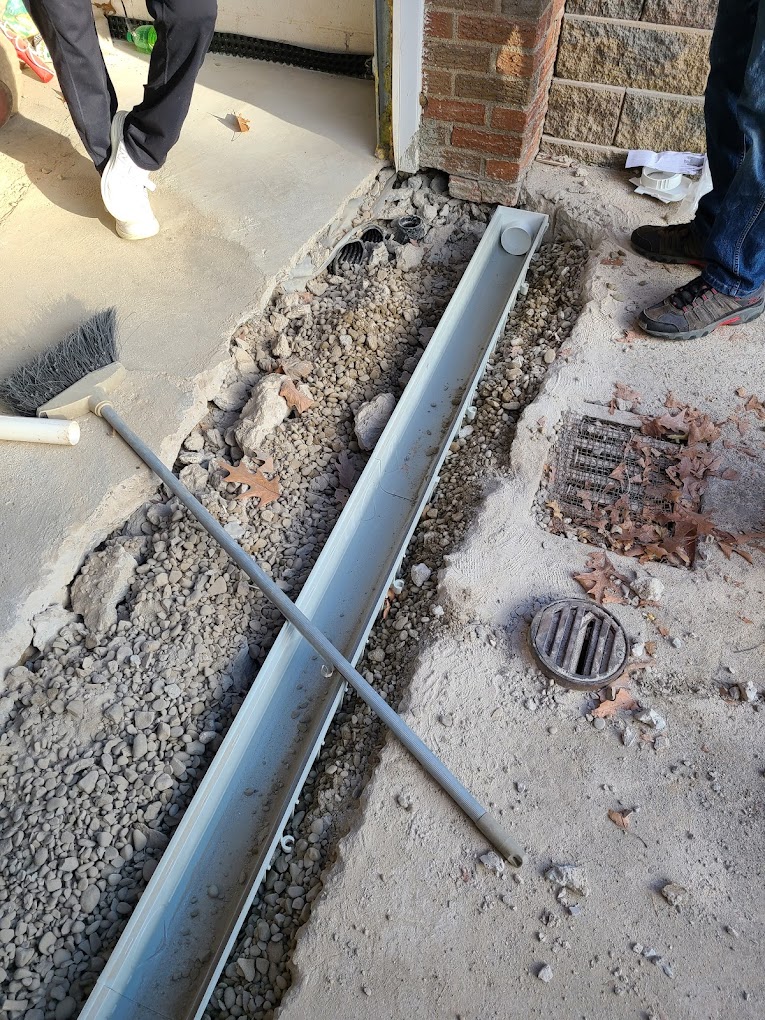
When it comes to maintaining a dry basement, your home’s gutters and downspouts play an important role that shouldn’t be overlooked. These components are your first line of defense against water damage. They collect and reroute rainwater, preventing it from pooling around your home’s foundation.
Don’t think of them as simple pipes. Rather, envision them as essential parts of a larger system designed to keep your basement dry. Gutters capture water that falls on your roof, channeling it into downspouts.
Downspouts then guide the water safely away from your house, where it can’t seep into your basement.
It’s imperative to keep your gutters clean and free of debris, so they can perform their job effectively. Clogged gutters can lead to water overflowing and pooling around your foundation, increasing the risk of basement flooding.
Similarly, verify your downspouts are properly positioned to direct water away from your home.
The Role of Rainwater Management
A significant part of maintaining a dry basement is effectively managing rainwater. It’s not just about keeping the water out, but controlling where it goes once it hits your property.
Think of your home as a ship. Just as a captain must guide his vessel through stormy seas, you must navigate rainfall around your house. The rainwater that falls on your roof is a torrent you need to control. Without proper direction, it can seep into your basement, causing dampness, mildew, or even flooding.
How do you manage this? Through a well-maintained system of gutters and downspouts. These are your ship’s rudder and oars, steering rainwater away from your home. They collect rainwater from the roof, channel it into the downspouts, and direct it away from your foundation.
Regularly check and clean your gutters to guarantee they’re free of debris and working correctly.
The Connection Between Gutters and Basements
Understanding the link between gutters and basements can truly save your home from potential water damage. Your gutter system, if properly installed and maintained, serves as the frontline defense against water invasion. It catches rainwater and directs it away from your home’s foundation.
Here’s how it works:
- Rainwater Collection: Your gutters collect rainwater from your roof. Without gutters, water would pour off your roof edges, creating a drenching waterfall effect around your house.
- Water Direction: The gutters then channel this captured water towards your downspouts. It’s the downspouts’ job to guide this water safely away from your home.
- Foundation Protection: By directing water away, your gutters help prevent water from pooling around your home’s foundation. If water pools around your foundation, it can seep into your basement, causing dampness or even flooding.
In short, your gutters and downspouts work together to protect your basement from water damage.
But remember, they can’t do their job if they’re clogged or damaged. Regular maintenance is key.
Preventing Basement Moisture With Downspouts

Four out of five homeowners overlook one essential element when it comes to keeping their basements dry: the downspouts. You might’ve given a lot of thought to gutters, but downspouts are just as vital. They’re the final pathway for water to move away from your home, and if they’re not doing their job correctly, that water can end up in your basement.
Here’s the deal: properly installed and positioned downspouts direct water at least five to six feet away from your home’s foundation. This keeps the soil around your home from becoming too saturated, which can lead to water seeping into your basement.
You’ve got to make certain your downspouts aren’t just dumping water right next to your foundation. If they are, it’s like having a direct pipeline for water to infiltrate your basement. Extensions or splash blocks can be added to downspouts to help direct the water further away.
It’s also vital to confirm your downspouts aren’t clogged. A clogged downspout can cause water to overflow and accumulate around your foundation, leading to moisture problems in your basement.
Repair and Maintenance Tips for Gutters
Without a doubt, keeping your gutters in top shape can make all the difference in maintaining a dry basement. Regular maintenance and timely repairs not only guarantee proper functioning but also extend the lifespan of your gutters.
Here’s what you need to do:
- Clean Regularly: Debris, such as leaves and twigs, can clog your gutters. This can lead to water overflow, damaging your home’s foundation and basement. Make it a habit to clean your gutters at least twice a year.
- Inspect for Damage: Watch out for signs of rust, cracks, or holes. If you find any, you’ll need to repair or replace the affected sections immediately. A small issue can quickly escalate if not addressed promptly.
- Guarantee Proper Slope: Your gutters should slope towards the downspouts for effective drainage. If water isn’t draining properly, you might need to adjust the slope.
So, you see, your gutters and downspouts aren’t just there for decoration. They play an essential role in keeping your basement dry by effectively managing rainwater runoff. Don’t neglect their upkeep. Regular maintenance guarantees they’re doing their job right, protecting your foundation from water damage. Remember, a little care now can save you a lot of trouble (and potential repair costs) down the line.

Giulio and Jennifer Bevilacqua are the dedicated and passionate owners of Highlander Waterproofing, a trusted name in basement waterproofing and foundation repair. With a commitment to protecting homes and ensuring the safety and well-being of families, Giulio and Jennifer have built Highlander Waterproofing into a premier service provider in the region. Their hands-on approach, combined with years of industry expertise, has helped them earn a stellar reputation for delivering reliable and effective waterproofing solutions.
The Bevilacquas pride themselves on offering personalized service, using proven techniques, and employing a team of highly trained professionals who share their dedication to quality workmanship. As a family-owned and operated business, Giulio and Jennifer emphasize integrity, transparency, and a genuine concern for their clients’ needs. They believe in building lasting relationships with their customers by ensuring each project is completed to the highest standards. Highlander Waterproofing continues to thrive under their leadership, offering innovative solutions and exceptional customer service that homeowners can depend on.