


You’re likely familiar with the challenges of waterproofing walls, but have you considered the distinct differences between block walls and poured concrete walls? While block walls can be cost-effective, they often demand extra care with paints, sealants, or membranes, which may not stand the test of time. Alternatively, poured concrete walls, despite higher initial costs, offer superior durability and less susceptibility to water damage. But which offers the most robust protection in the long run? The answer might surprise you.
Key Differences in Foundation Waterproofing Needs
- Block walls require thorough preparation and waterproofing to prevent moisture damage and mold growth.
- Poured concrete walls have fewer vulnerabilities to water infiltration due to their solid, seamless construction.
- Waterproofing techniques for block walls include paints, sealants, and membranes while poured concrete uses surface sealers, crystalline waterproofing, membranes, and waterstops.
- Although block walls are cheaper, poured concrete walls offer more durable and effective waterproofing, justifying the higher initial cost.
- Both block and poured concrete walls need waterproofing to maintain structural integrity and prevent costly water damage repairs.
Understanding Block Walls
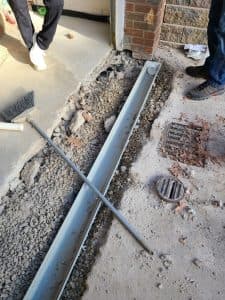
While block walls may seem simple at first glance, there’s actually more to them than meets the eye. They’re made from a variety of materials, including cinder, concrete, and stone, and each type has its own unique properties and uses. You’ll often find them used in buildings, retaining walls, and other structures where strength and durability are paramount.
Block walls are typically constructed by stacking and bonding individual blocks together with mortar, a process that gives you a lot of flexibility regarding design and layout. You can create walls of almost any shape or size, and it’s relatively easy to make changes or repairs if necessary.
One of the key advantages of block walls is their thermal mass, which can help to regulate temperatures within a building and reduce energy consumption. They’re also great at absorbing sound, making them a good choice for noisy environments.
However, block walls aren’t perfect. They’re more vulnerable to moisture and water damage than some other types of walls, which means they often need additional waterproofing to keep them in good condition.
It’s also worth noting that while block walls are generally quite durable, they can still be damaged by severe weather or ground movement, so they need to be properly maintained and protected.
Waterproofing Methods for Block Walls
Waterproofing your block walls isn’t just a smart move—it’s a necessity. Without proper protection, water can seep into your walls, causing structural damage and encouraging mold growth. So, how do you prevent this?
First, you’ll need to prep your walls. This means cleaning them thoroughly and repairing any existing damage. You can’t apply a waterproofing solution to a dirty or damaged wall—it won’t adhere properly.
Next, select your waterproofing product. There’s a variety to choose from, including waterproofing paint, sealant, and membrane.
Paints and sealants are generally easier to apply, but they tend to wear off over time. A waterproofing membrane, on the other hand, offers more lasting protection but requires a bit more effort to install.
Insight Into Poured Concrete Walls
Often, poured concrete walls are the go-to choice for new construction projects. They’re incredibly robust, versatile, and offer superior insulation. When you’re planning to build, there’s a good chance you’ll consider these walls.
These walls are made by pouring concrete into a pre-made mold, which is then left to harden. This process allows for a seamless construction, reducing the chances of weaknesses or cracks that could lead to leaks. Unlike block walls, poured concrete walls aren’t susceptible to hollow spaces, making them more solid and less prone to water infiltration.
However, it’s not just about strength. Poured concrete walls also offer better fire resistance than block walls, boosting your property’s safety. They provide excellent sound insulation, bringing peace and quiet to your space. Plus, they’re more resistant to rot and decay, enhancing the longevity of your building.
On the downside, they’re usually more expensive than block walls due to the need for specialized equipment and skilled labor. But don’t be discouraged. The initial cost is often offset by the long-term benefits, making poured concrete walls a worthy investment.
Consider the pros and cons before you decide, and remember, it’s all about what’s best for your project.
Waterproofing Techniques for Poured Concrete
Despite the robust nature of poured concrete walls, they still need a layer of protection against water damage. Just like any other material exposed to moisture over time, concrete can succumb to water damage, leading to structural issues and costly repairs.
However, you can prevent this by employing effective waterproofing techniques.
- Surface Sealers: These are your first line of defense. A good surface sealer can protect your poured concrete from the surface level, blocking pores and preventing water absorption.
- Crystalline Waterproofing: This method involves a chemical reaction that fills the concrete’s pores and hairline cracks, creating a waterproof barrier.
- Waterproofing Membranes: These sheets or liquid coatings are applied to the exterior of the concrete wall. They’re tough, durable, and provide an excellent water barrier.
- Waterstops: Used during construction, waterstops are placed in concrete joints to prevent water leakage.
Choosing Between Block and Poured Concrete Walls
When you’re weighing up your options between block and poured concrete walls, there are a few key factors to reflect on.
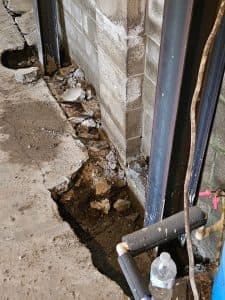
First, evaluate the cost. Block walls are generally less expensive than poured concrete, but they might require more maintenance in the long run. They’re also easier and quicker to install, which could save you time and labor costs.
Next, think about durability. Poured concrete walls are stronger and more resistant to cracking and leaks, making them a solid choice if you’re concerned about long-term stability and waterproofing. They also offer better protection against fire and noise.
Finally, remember aesthetics. Block walls can offer a unique, rustic appeal, while poured concrete walls provide a sleek, modern look. It’s all about what suits your style and the design of your home.
In the end, the choice between block and poured concrete walls comes down to your specific needs, budget, and personal preference.
Both have their pros and cons, so it’s crucial to evaluate all aspects before making your decision.
In your waterproofing journey, you’ve discovered the differences between block and poured concrete walls. While block walls are cost-effective, they require more maintenance. Poured concrete, though pricier, offers stronger resistance to water damage. You’ve considered various waterproofing methods, now it’s time to choose. Consider your budget, durability needs, and willingness for upkeep. Remember, the choice is yours; each wall type has its own merits.

Giulio and Jennifer Bevilacqua are the dedicated and passionate owners of Highlander Waterproofing, a trusted name in basement waterproofing and foundation repair. With a commitment to protecting homes and ensuring the safety and well-being of families, Giulio and Jennifer have built Highlander Waterproofing into a premier service provider in the region. Their hands-on approach, combined with years of industry expertise, has helped them earn a stellar reputation for delivering reliable and effective waterproofing solutions.
The Bevilacquas pride themselves on offering personalized service, using proven techniques, and employing a team of highly trained professionals who share their dedication to quality workmanship. As a family-owned and operated business, Giulio and Jennifer emphasize integrity, transparency, and a genuine concern for their clients’ needs. They believe in building lasting relationships with their customers by ensuring each project is completed to the highest standards. Highlander Waterproofing continues to thrive under their leadership, offering innovative solutions and exceptional customer service that homeowners can depend on.