


In the Northeast and Tri-State areas—stretching from the snowy streets of Buffalo and Rochester to the hills of Pittsburgh—spring doesn’t just bring flowers; it brings the “Big Thaw.” As temperatures rise, the massive accumulation of winter snow melts rapidly, saturating the ground and putting immense pressure on your home’s foundation. This is the moment your sump pump transitions from a quiet background appliance to the most important piece of equipment in your home.
A failed sump pump during a spring thaw isn’t just an inconvenience; it can lead to thousands of dollars in property damage, ruined memories, and long-term mold issues. At Highlander Waterproofing & Foundation Repair, we see the aftermath of “spring surprises” every year. The good news? Most sump pump failures are entirely preventable with a few hours of proactive maintenance. This guide will walk you through everything you need to know to ensure your system is ready for the upcoming wet season.
Why Spring is the Most Dangerous Season for Sump Pumps
The transition from winter to spring creates a “perfect storm” for basement flooding. In Western PA and NY, the soil is often heavy with clay, which holds onto moisture far longer than sandy soils. When a rapid temperature spike occurs, several gallons of water per square foot of yard can be released in a matter of hours.
If your sump pump has been sitting idle through a long, freezing winter, it may have developed mechanical “stiffness,” or its discharge lines may be obstructed by ice and debris. Without a proper check-up, you might not realize there is a problem until the water is already lapping at your basement stairs.

The 5-Step DIY Maintenance Checklist
You don’t need to be a professional plumber to perform basic sump pump upkeep. Follow these five steps to verify your system’s integrity before the heavy rains arrive.
1. Testing the Float Switch
The float switch is the “brain” of your pump. As water rises in the pit, the float lifts, eventually triggering the motor to turn on. Over the winter, debris or even the vibration of the pump can cause the float to become stuck against the side of the basin.
- How to test: Slowly pour a five-gallon bucket of water into the sump pit. Watch the float rise. The pump should activate automatically when the float reaches its trigger point and shut off once the water is evacuated.
2. Cleaning the Intake Screen and Pit Debris
The intake screen at the bottom of the pump acts as a filter. If it becomes clogged with silt, gravel, or “nasty” buildup (common if your laundry drains into the pit), the motor will overwork and eventually burn out.
- How to clean: Disconnect the power first! Lift the pump out of the pit and use a soft brush to clear away any debris from the screen. While the pump is out, use a wet/dry vacuum to suck out any sediment at the bottom of the pit itself.
3. Inspecting the Check Valve
The check valve is a one-way flap located on the discharge pipe. Its job is to prevent water that has already been pumped out from flowing back into the pit when the motor stops. If you hear a loud “clunk” or if the pump cycles on and off every few seconds, your check valve may be failing.
4. Clearing the Discharge Line
In our region, the exterior discharge pipe can easily become blocked by ice, matted leaves, or even small rodents seeking shelter. If the line is blocked, the water has nowhere to go but back into your basement. Ensure the end of the pipe is clear and directed at least 10–20 feet away from your foundation.
5. Verifying the Power Source
Ensure your pump is plugged into a grounded GFCI (Ground Fault Circuit Interrupter) outlet. These outlets can occasionally trip during winter surges; a quick reset now could prevent a flood later.
The Critical Importance of Battery Backup Systems
The most common time for a sump pump to fail isn’t actually a mechanical breakdown—it’s a power outage. Spring storms in the Northeast frequently bring high winds that knock out electricity exactly when the rain is heaviest.
If you only have a primary electric pump, your basement is completely vulnerable during a blackout. A Battery Backup Sump Pump acts as a second line of defense. These systems feature a secondary pump and a dedicated deep-cycle battery that can move thousands of gallons of water even when the grid is down.
Pro Tip: Most backup batteries last 3–5 years. If yours hasn’t been replaced since 2021, it may no longer hold a sufficient charge to protect you through an extended storm.
When to Replace vs. Repair Your Pump
A sump pump is a mechanical device with a finite lifespan. Knowing when to retire an old unit can save you from an emergency replacement at 2:00 AM.
| Sign of Trouble | What it Means | Action Recommended |
|---|---|---|
| Loud Humming/Clanging | Damaged impeller or failing motor bearings. | Replace Soon |
| Visible Rust | Corrosion is eating through the housing. | Replace Now |
| Constant Running | Switch is stuck or pump is underpowered for the volume. | Repair/Upgrade |
| Age (7-10+ Years) | Internal components are at the end of their life cycle. | Proactive Replacement |
Frequently Asked Questions
Q: How often should a sump pump be cleaned?
A: At a minimum, once a year before the spring thaw. However, if your pump handles gray water from a washing machine, we recommend a quick check and screen cleaning every 3–4 months to prevent lint buildup.
Q: Why is my sump pump making a humming noise but not pumping?
A: This usually means the motor is receiving power but the impeller is jammed by a rock or debris, or the motor capacitor has failed. Unplug the unit immediately to prevent a fire hazard and call a professional.
Q: How long does a typical sump pump last?
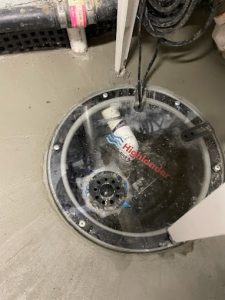
A: The average lifespan is 7 to 10 years. In areas with high water tables (common in PA and NY), where the pump cycles frequently, that lifespan may be closer to 5 years. If your pump is a “senior citizen,” don’t wait for it to fail during a flood.
The “Big Thaw” is an inevitable part of living in the Northeast, but a flooded basement doesn’t have to be. By taking the time now to clean your pit, test your float switch, and verify your battery backup, you are buying peace of mind for the next six months of rain and snowmelt. Remember, your sump pump is a hardworking machine that operates in the harshest possible environment—submerged in cold, dirty water. A little maintenance goes a long way in extending its life and protecting your home’s foundation.
At Highlander Waterproofing & Foundation Repair, we specialize in high-capacity pumping systems and professional-grade backups designed specifically for our local climate. If your system is showing signs of age or you’re tired of worrying every time the clouds turn gray, let us provide a permanent solution.
Is Your Sump Pump Ready for the Next Big Storm?
Don’t leave your basement’s safety to chance. Upgrade to a professional-grade Highlander pump system with industrial-strength battery backup. Contact our team today for a free inspection of your basement drainage system.
Call us today or visit our contact page to secure your home before the thaw!

Giulio and Jennifer Bevilacqua are the dedicated and passionate owners of Highlander Waterproofing, a trusted name in basement waterproofing and foundation repair. With a commitment to protecting homes and ensuring the safety and well-being of families, Giulio and Jennifer have built Highlander Waterproofing into a premier service provider in the region. Their hands-on approach, combined with years of industry expertise, has helped them earn a stellar reputation for delivering reliable and effective waterproofing solutions.
The Bevilacquas pride themselves on offering personalized service, using proven techniques, and employing a team of highly trained professionals who share their dedication to quality workmanship. As a family-owned and operated business, Giulio and Jennifer emphasize integrity, transparency, and a genuine concern for their clients’ needs. They believe in building lasting relationships with their customers by ensuring each project is completed to the highest standards. Highlander Waterproofing continues to thrive under their leadership, offering innovative solutions and exceptional customer service that homeowners can depend on.
