


In Western New York, the transition from winter to spring is rarely a gentle affair. For Buffalo homeowners, the “Spring Thaw” is a high-stakes event where feet of accumulated snowpack can vanish in a matter of days, replaced by torrential April showers. When massive amounts of snowmelt combine with heavy spring rain, the ground quickly becomes supersaturated, creating a perfect storm for basement flooding.
At Highlander Waterproofing & Foundation Repair, we have seen firsthand the damage that a single Buffalo spring can do to an unprotected foundation. Preparing your home now is the only way to ensure that the change in seasons doesn’t result in a structural or financial nightmare. This guide outlines the essential steps to safeguard your Buffalo home against the upcoming thaw.
Why Spring is the Most Dangerous Season for Buffalo Basements
The danger lies in the speed of the transition. Buffalo’s “Lake Effect” snow is often dense and moisture-heavy. When temperatures suddenly spike into the 50s or 60s, that snowpack releases thousands of gallons of water directly into the soil surrounding your foundation. The water cannot soak into the earth vertically because the ground deeper down may still be partially frozen. Instead, it moves horizontally—straight toward your basement walls.
This creates extreme hydrostatic pressure. Your foundation acts like a dam, and if there is even a tiny fissure or a weak mortar joint, the weight of the water will force its way inside. Without a clear path of relief, this pressure can eventually cause walls to bow or shear.
Your 5-Step Flood Prevention Checklist
To keep your basement dry during the Buffalo thaw, follow this expert-recommended checklist before the snow disappears.
1. Test Your Sump Pump and Battery Backup
Your sump pump is the heart of your waterproofing system. If it has been sitting dormant all winter, it may be seized or clogged with sediment. Pour a few buckets of water into the basin to ensure the float switch triggers and the water is ejected efficiently. Most importantly, check your battery backup. Spring storms in Buffalo often bring power outages; without a battery backup, your primary pump is useless the moment the lights go out.
2. Clear Your Gutters and Downspouts
Ice dams and winter debris often clog gutters. When the snow on your roof melts, it needs a clear path to the ground. If your gutters are blocked, water will spill over the sides, dumping hundreds of gallons of water directly onto your foundation footers. Ensure your downspouts are clear and discharge at least 10 feet away from the house.
3. Inspect Your Yard for Negative Grading
As the snow melts, watch where the water pools. If you see puddles forming against your foundation siding, you have a grading issue. In Buffalo’s heavy clay soil, water that pools will stay there until it finds a way into your basement. While permanent grading is best done in the summer, you can use temporary sandbags or extensions to divert water away during the peak thaw.
4. Check for Window Well Drainage
Basement window wells are a common point of failure. Ensure they are clear of leaves and ice. If the drain at the bottom of the well is clogged, the well will fill up like a fish tank, eventually bursting through the window seal and flooding your basement in seconds.
5. Monitor Your Walls for Efflorescence
As the ground thaws, look for a white, chalky powder on your basement walls. This is efflorescence—the mineral deposits left behind as water evaporates. While it may look harmless, it is a “warning shot” from your foundation that water is actively migrating through the masonry under pressure.
The Long-Term Solution: Professional Pressure Relief
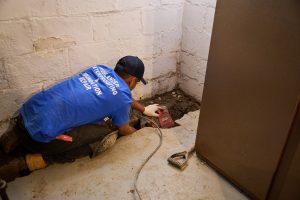
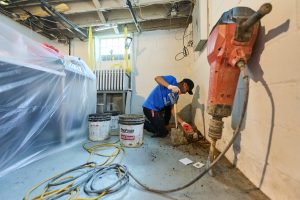
A “wet-dry” vacuum and a mop are not a strategy; they are a reaction. For a permanent solution to Buffalo’s spring water cycles, you need a system that manages the water you can’t see. A professional interior drainage system (footer tiles) combined with a high-capacity sump pump relieves the hydrostatic pressure before it ever touches your basement floor.
At Highlander, we design custom systems specifically for the high-moisture climate of Western New York. Our systems are backed by a Lifetime Transferable Warranty, ensuring your home remains protected through every Buffalo winter and spring to come.
Frequently Asked Questions
Why is my basement leaking even though I have a new roof?
While a roof keeps the top of your house dry, it also collects a massive volume of water. If your downspouts aren’t carrying that water far enough away, your roof is actually contributing to your basement flooding by concentrating water at the foundation.
How long does a sump pump battery backup last?
Standard backups provide about 6–8 hours of continuous pumping. High-end systems can last for several days of intermittent use. It is vital to replace the battery every 3–5 years to ensure it holds a full charge when you need it most.
Can I waterproof my basement while there is still snow on the ground?
Yes. Interior waterproofing and foundation stabilization can be performed year-round. In fact, many Buffalo homeowners choose to have this done in the late winter to ensure they are fully protected before the major spring thaw begins.
Don’t Wait for the Thaw—Protect Your Buffalo Home Today
The cost of a flooded basement—including property loss, mold remediation, and structural repair—is far higher than the cost of prevention. If you aren’t 100% confident in your home’s ability to handle the upcoming snowmelt, it’s time for a professional assessment.
Is your Buffalo basement ready for spring? Contact Highlander Waterproofing & Foundation Repair today for a free, no-pressure inspection. We’ll help you stay dry when the snow starts to fly.

Giulio and Jennifer Bevilacqua are the dedicated and passionate owners of Highlander Waterproofing, a trusted name in basement waterproofing and foundation repair. With a commitment to protecting homes and ensuring the safety and well-being of families, Giulio and Jennifer have built Highlander Waterproofing into a premier service provider in the region. Their hands-on approach, combined with years of industry expertise, has helped them earn a stellar reputation for delivering reliable and effective waterproofing solutions.
The Bevilacquas pride themselves on offering personalized service, using proven techniques, and employing a team of highly trained professionals who share their dedication to quality workmanship. As a family-owned and operated business, Giulio and Jennifer emphasize integrity, transparency, and a genuine concern for their clients’ needs. They believe in building lasting relationships with their customers by ensuring each project is completed to the highest standards. Highlander Waterproofing continues to thrive under their leadership, offering innovative solutions and exceptional customer service that homeowners can depend on.
