


Discovering that your basement walls are beginning to bow, curve, or lean inward is one of the most stressful experiences a homeowner can face. It is a clear, visual indicator that your home’s structural integrity is under threat. If you notice horizontal cracks, a curved wall, or soil pushing against your foundation, it is vital to understand that this is not a cosmetic issue—it is a significant structural failure caused by immense, relentless pressure from the earth surrounding your home.
At Highlander Waterproofing & Foundation Repair, we specialize in diagnosing these structural anomalies. While the situation can feel overwhelming, modern engineering offers highly effective, permanent solutions. The two primary, industry-standard methods for stabilizing bowing walls are carbon fiber reinforcement and steel I-beam installation. Understanding the technical differences and practical applications of these two approaches is the first step toward making an informed decision for your family’s safety and your property’s future.
Why Foundation Walls Bow: The Physics of Lateral Pressure
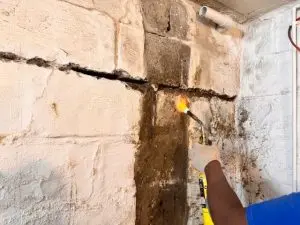
To fix the problem, we must first understand the root cause. The soil surrounding your home is rarely static. In our service areas across Pennsylvania, New York, and Ohio, the regional soil composition is often heavy in clay, which expands significantly when saturated with water. When the ground becomes heavy from excessive rainfall or poor exterior drainage, it exerts what engineers call “lateral pressure” against your foundation walls.
Over time, if this inward pressure exceeds the structural capacity of your masonry or concrete blocks, the wall will begin to yield. It often starts with thin, horizontal cracks that run along the mortar joints. As the soil continues to push, the wall will visibly bow or buckle inward. Once this movement begins, the wall cannot return to its original vertical position on its own. It requires professional, heavy-duty reinforcement to stop the movement and stabilize the structure against further deterioration or, in extreme cases, total collapse.
Carbon Fiber Reinforcement: The Low-Profile Solution
Carbon fiber reinforcement is a state-of-the-art repair method designed specifically for walls that have experienced minor to moderate bowing. We apply high-strength, aerospace-grade carbon fiber straps directly to the interior surface of the foundation wall using a specialized, industrial-strength epoxy resin. This system effectively bonds to your wall, turning it into a reinforced, load-bearing structure capable of resisting the soil pressure outside.
The primary advantage of carbon fiber is its incredibly low profile. The straps are nearly flat against the wall, meaning they do not take up usable space in your basement. You can easily paint over them, hide them behind drywall, or leave them exposed—they are unobtrusive and aesthetically clean. Carbon fiber is engineered to prevent any future inward movement, locking the wall in place permanently. Because it requires no heavy machinery or extensive foundation digging, it is a fast and efficient way to stabilize a wall before the bowing becomes severe.
Steel I-Beam Systems: Heavy-Duty Support for Severe Bowing
For walls that have bowed more significantly—typically exceeding two inches or showing signs of deep buckling—carbon fiber straps may not be sufficient. In these critical cases, we recommend the installation of steel I-beams. This is the industrial standard for structural stabilization. We anchor these heavy-duty steel beams into the floor joists at the top and the basement floor slab at the bottom, providing a powerful, physical barrier against the hydrostatic pressure of the soil.
Unlike carbon fiber, steel I-beams are designed to provide both immediate stability and the potential for a gradual “jacking” or straightening process over time. Because the steel provides a rigid, structural frame, it is the most reliable solution for walls facing extreme, active soil pressure. While these beams occupy slightly more space in the basement than carbon fiber, they offer unparalleled peace of mind. Knowing your home is reinforced by industrial-grade, load-bearing steel ensures that your structure is secure against even the most aggressive seasonal soil shifts.
Which Repair Method is Right for Your Foundation?
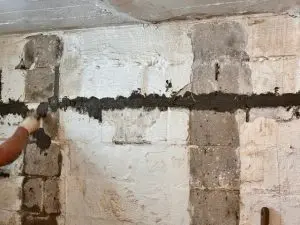
Choosing the right method depends on the severity of the wall displacement, the specific material of your walls (poured concrete vs. concrete block), and your future plans for the basement space. At Highlander Waterproofing & Foundation Repair, we never take a “one-size-fits-all” approach. Our technicians perform a thorough structural assessment to measure the degree of the bow and evaluate the soil conditions outside your home.
If your bowing is in the early stages, carbon fiber offers an elegant, effective, and invisible solution that preserves your square footage. If the structural movement is advanced, we will prioritize the robust support of steel I-beams to ensure the safety of the floor joists above. Regardless of which method is required, the goal remains the same: to neutralize the pressure, stabilize your home, and protect your long-term property value. Furthermore, all our structural repairs are backed by our signature Lifetime Transferable Warranty, ensuring that your investment is protected as long as you own the home—and adds value for the next owner.
Frequently Asked Questions (FAQ)
How do I know if my basement wall is bowing?
Look for horizontal cracks running across the middle of your wall, gaps between the floor joists and the top of the wall, or walls that visibly curve inward when viewed from the side.
Can a bowing wall be fixed permanently?
Yes. By using either carbon fiber straps or steel I-beams, we can stabilize the wall and halt further movement for the life of the home.
How much does it cost to fix a bowing basement wall?
Costs depend on the severity of the damage, the length of the wall, and the repair method required. We provide free, on-site structural estimates to give you an accurate price.
Your foundation is the most important part of your home. If you suspect your basement walls are failing, do not ignore the warning signs. Contact Highlander Waterproofing & Foundation Repair today to schedule a comprehensive structural inspection. We will provide a transparent, professional assessment and a customized plan to secure your home for a lifetime.
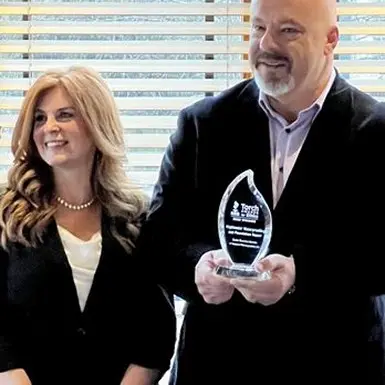
Giulio and Jennifer Bevilacqua are the dedicated and passionate owners of Highlander Waterproofing, a trusted name in basement waterproofing and foundation repair. With a commitment to protecting homes and ensuring the safety and well-being of families, Giulio and Jennifer have built Highlander Waterproofing into a premier service provider in the region. Their hands-on approach, combined with years of industry expertise, has helped them earn a stellar reputation for delivering reliable and effective waterproofing solutions.
The Bevilacquas pride themselves on offering personalized service, using proven techniques, and employing a team of highly trained professionals who share their dedication to quality workmanship. As a family-owned and operated business, Giulio and Jennifer emphasize integrity, transparency, and a genuine concern for their clients’ needs. They believe in building lasting relationships with their customers by ensuring each project is completed to the highest standards. Highlander Waterproofing continues to thrive under their leadership, offering innovative solutions and exceptional customer service that homeowners can depend on.