


Discovering foundation damage is one of the most stressful experiences a homeowner can face. Beyond the immediate worry about the safety of your home, the most common question that follows is: “How much is this going to cost?” It is a fair and necessary question, but if you search for a simple flat-rate answer, you will quickly find that foundation repair does not come with a sticker price.
At Highlander Waterproofing & Foundation Repair, we believe in transparency. In 2026, the cost of foundation repair is dictated by the specific “pathology” of your home—the soil conditions, the method of repair, the severity of the damage, and the accessibility of the work area. While no two jobs are identical, this guide provides a realistic look at what you can expect to invest in protecting your home’s structural integrity.
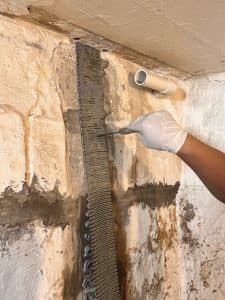
The Three Primary Factors That Influence Cost
Before looking at specific numbers, it helps to understand what drives the price. Foundation repair is rarely just about materials; it is about engineering.
- Severity of Damage: A minor shrinkage crack that is non-structural is significantly cheaper to seal than a wall that has bowed inward three inches due to soil pressure.
- Repair Method: The difference between a surface injection (to stop water) and structural stabilization (to stop shifting) is massive. Heavy-duty structural work involves specialized materials like steel, industrial-grade epoxy, or hydraulic piers.
- Site Accessibility: Is the work being done in an unfinished basement with full access, or does the contractor need to excavate exterior soil, remove landscaping, or work in a tight crawl space? Labor hours are often the largest variable in a project estimate.
2026 Cost Estimations by Repair Type
While every home requires a site-specific quote, the following ranges represent typical industry costs for 2026. Please note that these are estimates for budgeting purposes:
1. Crack Injection (Waterproofing/Cosmetic)
Range: $500 – $1,500 per crack.
If you have hairline vertical cracks that are not actively moving but are leaking water, epoxy or polyurethane injection is the standard fix. It seals the concrete to prevent water intrusion.
2. Carbon Fiber Reinforcement
Range: $600 – $1,200 per strap.
For walls that are bowing slightly, carbon fiber straps are the low-profile, high-strength solution. This is an excellent choice for homeowners planning to finish their basement, as the repair is virtually flat against the wall.
3. Steel I-Beam Installation
Range: $1,000 – $2,500 per beam.
When bowing is severe (over two inches), or for block foundations that require more rigidity, steel I-beams are installed. They provide heavy-duty, immediate structural stabilization.
4. Piering and Underpinning
Range: $3,000 – $10,000+ per pier.
This is the “heavy lifting” of foundation repair. If your home is settling or sinking, steel or concrete piers are driven into stable, load-bearing strata deep beneath your home. Because this involves heavy machinery and structural lifting, the cost reflects the complexity and long-term value of the repair.
Why You Should Be Wary of the “Lowest Bid”
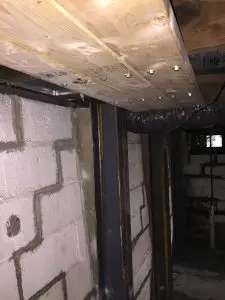
In foundation repair, the most expensive mistake you can make is choosing the cheapest option. Foundation failure is a physics problem, not a cosmetic one. If a contractor offers an unrealistically low price, ask yourself: Are they using industrial-grade materials? Are they addressing the root cause (soil movement) or just covering the symptom?
A “patch-and-paint” fix may look fine for six months, but if it doesn’t solve the underlying structural issue, you will inevitably pay to fix it again—and potentially pay even more because the damage has worsened. Proper foundation repair is a long-term investment that adds value to your home and protects your family’s safety.
Frequently Asked Questions
Does homeowners insurance cover foundation repair?
Generally, no. Most standard homeowners insurance policies cover “sudden and accidental” damage, but they exclude “gradual settlement” or earth movement. However, if the damage was caused by a specific, covered event (like a burst pipe causing soil erosion), it may be covered. Always check your specific policy.
Why do you offer free estimates?
Because accurate pricing requires a structural assessment. We need to see the cracks, measure the bow, and understand the soil conditions. A quote provided without an on-site visit is simply a guess.
Can I finance my foundation repair?
Yes. Many professional foundation repair companies, including Highlander, offer flexible financing options. Don’t let the cost stop you from protecting your home; spreading the investment over monthly payments is a common strategy for many homeowners.
Don’t let foundation anxiety keep you up at night. Foundation issues rarely get better on their own—they almost always become more expensive as time passes. Contact Highlander Waterproofing & Foundation Repair today to schedule a professional structural inspection. We will provide a transparent, no-pressure assessment and a customized plan to secure your home for the future.
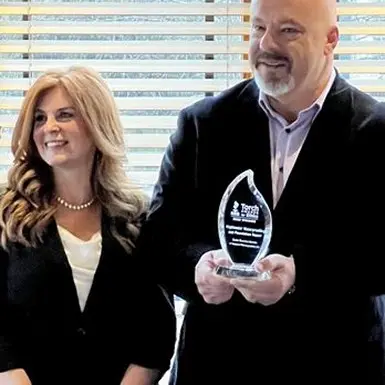
Giulio and Jennifer Bevilacqua are the dedicated and passionate owners of Highlander Waterproofing, a trusted name in basement waterproofing and foundation repair. With a commitment to protecting homes and ensuring the safety and well-being of families, Giulio and Jennifer have built Highlander Waterproofing into a premier service provider in the region. Their hands-on approach, combined with years of industry expertise, has helped them earn a stellar reputation for delivering reliable and effective waterproofing solutions.
The Bevilacquas pride themselves on offering personalized service, using proven techniques, and employing a team of highly trained professionals who share their dedication to quality workmanship. As a family-owned and operated business, Giulio and Jennifer emphasize integrity, transparency, and a genuine concern for their clients’ needs. They believe in building lasting relationships with their customers by ensuring each project is completed to the highest standards. Highlander Waterproofing continues to thrive under their leadership, offering innovative solutions and exceptional customer service that homeowners can depend on.