


We often think of foundation waterproofing as a battle that happens inside the basement—trenching floors and installing sump pumps to manage the water that has already made its way in. But the most effective waterproofing strategy isn’t just about managing water inside the home; it’s about preventing it from ever touching your foundation in the first place. This is where the exterior French drain becomes the unsung hero of home protection.
At Highlander Waterproofing & Foundation Repair, we often see homeowners spend thousands on interior systems when the true culprit is standing right outside: poor exterior drainage. If you notice pooling water, soggy grass, or saturated soil near your exterior walls after a rainstorm, your foundation is likely bearing the brunt of that moisture. A professionally installed French drain is the ultimate defense, redirecting that destructive water away from your home’s structure.
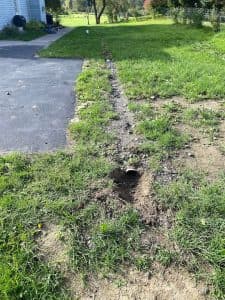
Identifying Exterior Water Problems
It is easy to ignore a puddle in the yard until you realize that water is not just an eyesore—it is a weight. Water-saturated soil creates immense hydrostatic pressure, pushing against your foundation walls with enough force to cause hairline cracks, bowing, and structural shifting.
How do you know if you have an exterior drainage issue? Look for these warning signs:
- Standing Water: Water that remains in your yard for more than 24 hours after a rainfall.
- Foundation Erosion: Soil that appears to be washing away from the base of your home.
- “Soggy” Perimeter: Grass or mulch that stays wet or muddy along the foundation line.
- Basement Seepage: Recurring water intrusion in the basement during every heavy rain, despite having a sump pump.
The Science of French Drains: Gravel and Pipe
A French drain is deceptively simple in concept but requires precision in execution. It is a trench filled with gravel or rock, containing a perforated pipe that redirects surface water and groundwater away from an area. When installed correctly for foundation protection, the drain is placed at the footing level, catching the water before it can exert pressure against the wall.
The magic is in the components: the gravel bed acts as a filter, allowing water to pass through while keeping soil and debris out. The perforated pipe then carries that water via gravity to a lower point in the yard, a storm drain, or a dry well. By giving water a path of “least resistance,” we effectively neutralize the hydrostatic pressure that would otherwise force that water into your basement.
Exterior vs. Interior: Which Do You Need?
Homeowners often ask, “Do I need an interior drainage system or an exterior French drain?” The answer usually depends on the source of the problem. If your basement leaks because the water table is high or the water is seeping up through the floor, an interior system is essential. However, if your basement leaks because surface water from your roof or yard is piling up against your walls, an exterior French drain is the most logical solution.
In many cases, the most “waterproof” homes utilize a combination of both: a French drain to manage external surface water, and an interior system to manage any groundwater that naturally seeps through the footing level. By tackling the problem from both sides, you create a fail-safe environment for your foundation.
The Long-Term Benefits
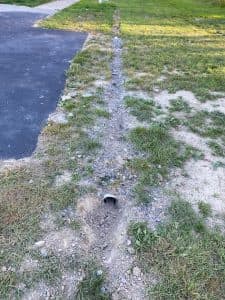
Beyond simply keeping your basement dry, French drains offer several long-term benefits:
- Structural Integrity: By eliminating hydrostatic pressure, you protect your concrete or masonry from the forces that lead to structural cracks and bowing.
- Landscape Health: Excessively wet soil can drown your plants and create a breeding ground for mosquitoes and pests. Draining the yard improves the health of your lawn and gardens.
- Foundation Longevity: Keeping your foundation dry prevents the slow deterioration of concrete, extending the life of your home’s most important component.
Frequently Asked Questions
Will a French drain ruin my landscaping?
Our goal is to leave your property better than we found it. While the installation process does require trenching, our teams take great care to remove sod, install the system, and replace the turf so that once we are finished, the drain is virtually invisible.
Do I need a permit for a French drain?
Depending on your local municipality and where the water is being discharged, a permit may be required. At Highlander, we handle the local permitting process to ensure all work is compliant with town or city regulations.
How do I know if I need a French drain vs. just cleaning my gutters?
Cleaning gutters is the first step. If you have cleaned your gutters, extended your downspouts, and still have water pooling against your foundation, you have a drainage problem that requires a professional system, not just maintenance.
Stop fighting the water. Redirect it. If you are tired of dealing with exterior flooding or recurring basement leaks, it is time to address the source of the problem. Contact Highlander Waterproofing & Foundation Repair today to schedule a site evaluation. We will analyze your property’s drainage needs and provide a custom plan to protect your home’s foundation for the long haul.
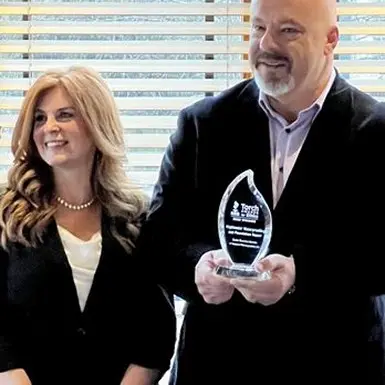
Giulio and Jennifer Bevilacqua are the dedicated and passionate owners of Highlander Waterproofing, a trusted name in basement waterproofing and foundation repair. With a commitment to protecting homes and ensuring the safety and well-being of families, Giulio and Jennifer have built Highlander Waterproofing into a premier service provider in the region. Their hands-on approach, combined with years of industry expertise, has helped them earn a stellar reputation for delivering reliable and effective waterproofing solutions.
The Bevilacquas pride themselves on offering personalized service, using proven techniques, and employing a team of highly trained professionals who share their dedication to quality workmanship. As a family-owned and operated business, Giulio and Jennifer emphasize integrity, transparency, and a genuine concern for their clients’ needs. They believe in building lasting relationships with their customers by ensuring each project is completed to the highest standards. Highlander Waterproofing continues to thrive under their leadership, offering innovative solutions and exceptional customer service that homeowners can depend on.