


Homeowners in Syracuse, NY, know that basement water problems are a year-round concern. From heavy spring rains and rapid snowmelt to summer thunderstorms and winter freeze-thaw cycles, groundwater pressure can rise quickly around a home’s foundation. For many properties throughout Syracuse and Central New York, the sump pump serves as the first line of defense against basement flooding.
While a primary sump pump is essential, relying on a single pump alone can leave your home vulnerable. The reality is that sump pump failures often occur during the exact weather conditions that place the greatest demand on the system. When severe storms move through Onondaga County, power outages, equipment failures, and overwhelmed pumps can turn a normally dry basement into a costly water damage disaster.
A professionally installed battery backup sump pump system provides an extra layer of protection when your primary system cannot keep up or stops working altogether.
Why Syracuse Homes Face Increased Flooding Risks
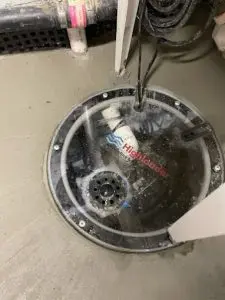
Syracuse receives significant annual precipitation, including heavy snowfall that eventually melts and saturates the soil around foundations. Combined with spring rainstorms and occasional summer downpours, these conditions can create substantial hydrostatic pressure around basement walls and floors.
Many older homes throughout Syracuse also have aging drainage systems, making them more susceptible to water intrusion. Even homes with properly functioning sump pumps can face challenges when weather conditions become severe.
The good news is that a battery backup system can help ensure your basement remains protected when conditions are at their worst.
The Three Most Common Causes of Sump Pump Failure
At Highlander Waterproofing & Foundation Repair, we regularly help homeowners throughout Syracuse address sump pump issues. The most common causes of failure include:
1. Power Outages
Severe storms frequently cause electrical interruptions. Unfortunately, these same storms often generate the highest groundwater levels around your home.
Without electricity, a standard sump pump cannot operate, allowing water to accumulate rapidly in the sump basin and eventually flood the basement.
2. Float Switch Malfunctions
The float switch activates the sump pump when water reaches a specific level. Over time, floats can become stuck, damaged, misaligned, or worn out.
When this happens, water may continue rising even though the pump itself is technically functional.
3. Pump Burnout and Overload
During prolonged wet weather, sump pumps may run continuously for hours or even days. This constant operation can cause motors to overheat, wear prematurely, or fail unexpectedly.
When groundwater levels are at their highest, a burned-out pump can leave your basement completely unprotected.
How a Battery Backup Sump Pump System Works
A battery backup system is much more than simply attaching a battery to your existing pump.
Professional backup systems include:
- A dedicated secondary sump pump
- An independent float switch
- A deep-cycle backup battery
- A charging and monitoring system
- Alarm notifications for system activation or maintenance needs
If the primary pump loses power, becomes overwhelmed, or experiences a mechanical failure, the water level in the sump pit continues to rise until it activates the backup pump.
The secondary pump then begins removing water using stored battery power, helping protect your basement until the primary system resumes operation.
Most systems automatically recharge once utility power is restored, ensuring they’re ready for future emergencies.
Why Backup Systems Are Essential During Syracuse Storms
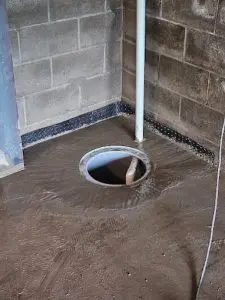
The most dangerous flooding events often occur during severe weather systems that simultaneously increase groundwater levels and threaten the electrical grid.
This creates a perfect storm for basement flooding:
- Heavy rain increases water entering the drainage system.
- High winds can cause power outages.
- Primary pumps may run continuously and become overworked.
- Water levels continue rising around the foundation.
A battery backup system eliminates a major point of failure by providing an independent pumping solution when you need it most.
Additional Benefits of a Battery Backup System
Beyond flood prevention, backup systems offer several important advantages:
Protect Valuable Belongings
Finished basements often contain furniture, electronics, family keepsakes, and storage items that can be severely damaged by even minor flooding.
Reduce Mold and Moisture Risks
Standing water creates ideal conditions for mold growth. Keeping your basement dry helps maintain healthier indoor air quality throughout the home.
Increase Home Protection
A backup system adds redundancy to one of your home’s most important waterproofing components, reducing the risk of unexpected water damage.
Provide Peace of Mind
Knowing your basement remains protected during storms, vacations, and power outages can help homeowners feel more confident about their property’s safety.
Protect Your Syracuse Home Before the Next Storm
Waiting until after a sump pump failure can result in expensive repairs, damaged belongings, and unnecessary stress. A professionally installed battery backup system provides reliable protection when your primary pump can no longer do the job alone.
The team at Highlander Waterproofing & Foundation Repair helps Syracuse homeowners safeguard their basements with customized waterproofing and sump pump solutions designed for Central New York’s challenging weather conditions.
Contact Highlander Waterproofing & Foundation Repair today to schedule your Free 21-Point Inspection and learn how a battery backup sump pump system can help protect your home year-round.
FAQ Section
Q: Why do sump pumps usually fail during storms?
A: Severe storms create the perfect conditions for sump pump failure. Heavy rainfall increases groundwater around your foundation, causing the pump to work harder and longer. At the same time, lightning, high winds, and damaged power lines can lead to electrical outages that shut down the primary pump.
Q: How long can a battery backup sump pump operate during a power outage?
A: The runtime depends on the battery size, pump capacity, and amount of incoming water. Most professional-grade systems can pump thousands of gallons during an outage and may operate for several hours of continuous pumping or multiple days during intermittent pumping conditions.
Q: Is a battery backup sump pump worth the investment?
A: For most homeowners, the cost of a backup system is significantly less than the cost of repairing a flooded basement. Water damage can affect flooring, drywall, furniture, appliances, and personal belongings, making a backup system a valuable preventive investment.
Q: Can a battery backup system work if my primary sump pump breaks?
A: Yes. A properly installed battery backup system includes its own pump and float switch. If the primary pump experiences a mechanical failure, the backup system can activate independently and continue removing water from the sump pit.
Q: How often should a sump pump battery be replaced?
A: Most deep-cycle batteries used in sump pump backup systems should be replaced every 3 to 5 years. Regular inspections and testing can help ensure the battery remains capable of providing emergency protection when needed.
Q: What is the difference between a battery backup system and a generator?
A: A generator supplies power to your home’s electrical systems, including the primary sump pump. A battery backup system is a completely separate pumping system that can operate independently if the primary pump fails mechanically or loses power. Many homeowners choose to have both for maximum protection.
Q: How do I know if my sump pump backup battery is working properly?
A: Most modern systems include monitoring features, alarms, or indicator lights that display battery status and charging conditions. Annual inspections by a waterproofing professional can also verify that the system is functioning correctly.
Q: Can a battery backup system prevent all basement flooding?
A: While no system can guarantee complete protection under every circumstance, a properly designed battery backup system dramatically reduces the risk of flooding caused by power outages, primary pump failures, and high-water events.
Q: Does a finished basement need a battery backup sump pump?
A: Finished basements often contain expensive flooring, drywall, furniture, and electronics. Because the potential damage is typically much greater, homeowners with finished basements often benefit significantly from having a backup sump pump system.
Q: How often should my sump pump system be inspected?
A: Most waterproofing professionals recommend testing your sump pump several times per year and scheduling a professional inspection annually. Regular maintenance can identify worn components before

Giulio and Jennifer Bevilacqua are the dedicated and passionate owners of Highlander Waterproofing, a trusted name in basement waterproofing and foundation repair. With a commitment to protecting homes and ensuring the safety and well-being of families, Giulio and Jennifer have built Highlander Waterproofing into a premier service provider in the region. Their hands-on approach, combined with years of industry expertise, has helped them earn a stellar reputation for delivering reliable and effective waterproofing solutions.
The Bevilacquas pride themselves on offering personalized service, using proven techniques, and employing a team of highly trained professionals who share their dedication to quality workmanship. As a family-owned and operated business, Giulio and Jennifer emphasize integrity, transparency, and a genuine concern for their clients’ needs. They believe in building lasting relationships with their customers by ensuring each project is completed to the highest standards. Highlander Waterproofing continues to thrive under their leadership, offering innovative solutions and exceptional customer service that homeowners can depend on.