


When it comes to basement waterproofing, many homeowners in the Tri-State area assume the only solution involves heavy machinery and major construction. While professional interior drainage is often necessary for long-term protection, your first line of defense actually starts outside. Water management is a game of “diversion”—if you can keep water away from your foundation, it can’t find its way into your basement.
Before you invest in a full waterproofing system, there are three high-impact DIY projects you can tackle this weekend to significantly reduce the hydrostatic pressure on your home.
1. The 10-Foot Rule for Downspouts
The most common cause of basement seepage is roof runoff. During a typical rainstorm, thousands of gallons of water pour off your roof. If your downspouts drop that water right at the corner of your foundation, you are essentially “injecting” water directly into the soil next to your basement walls.
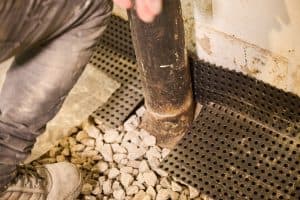
The DIY Fix: Purchase downspout extensions at your local hardware store. Ensure that your downspouts discharge water at least 10 feet away from your foundation. For an even cleaner look, consider burying these lines and using a “pop-up” emitter in your lawn to lead the water safely to a lower part of your property.
2. Correcting Negative Grading
Take a walk around your home and look at the soil touching your foundation. Does it slope away from the house, or does it tilt inward? This is known as “negative grading”. Over time, soil settles, especially in the loose backfill area near the foundation, creating a bowl effect that traps water against your walls.
The DIY Fix: Add clean topsoil (not mulch, which holds water) to create a positive slope. Ideally, the ground should drop at least 6 inches for every 10 feet of distance away from the house. Tamp the soil down firmly so it doesn’t wash away during the next heavy storm.
3. Gutter Maintenance and Shielding
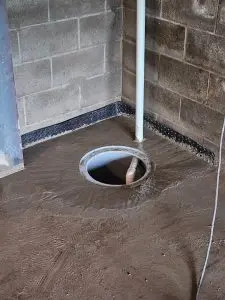
Clogged gutters are essentially non-existent gutters. When leaves and debris block the flow, water overflows the sides and falls directly onto the ground near your foundation—the very spot you are trying to keep dry. In regions with heavy autumn leaves like Western PA and NY, this is a constant battle.
The DIY Fix: Clean your gutters at least twice a year—once in late spring and again in late fall. Ensure the gutters are properly pitched toward the downspouts so water doesn’t pool in the middle. Installing high-quality gutter guards can drastically reduce the maintenance required and ensure water always stays in the channel.
When DIY Isn’t Enough: The “Clay Hat” Effect
While these DIY steps are critical, they may not solve every issue. In many parts of Ohio and Pennsylvania, the soil is dense clay. This clay can act as a “hat” or an underground bowl that holds water even if your grading looks perfect. If you continue to see water bubbling up through the floor-to-wall joint (the cove joint) despite having clear gutters and long downspouts, the problem is likely rising groundwater that requires a professional interior drainage solution.
Take the First Step to a Dry Home
If you’ve tried the DIY fixes and your basement is still damp, it’s time for a professional perspective. We provide a Free 21-Point Inspection to find the moisture source that DIY methods might miss.
Contact Highlander Waterproofing & Foundation Repair today to schedule your assessment.
Giulio and Jennifer Bevilacqua are the dedicated and passionate owners of Highlander Waterproofing, a trusted name in basement waterproofing and foundation repair. With a commitment to protecting homes and ensuring the safety and well-being of families, Giulio and Jennifer have built Highlander Waterproofing into a premier service provider in the region. Their hands-on approach, combined with years of industry expertise, has helped them earn a stellar reputation for delivering reliable and effective waterproofing solutions.
The Bevilacquas pride themselves on offering personalized service, using proven techniques, and employing a team of highly trained professionals who share their dedication to quality workmanship. As a family-owned and operated business, Giulio and Jennifer emphasize integrity, transparency, and a genuine concern for their clients’ needs. They believe in building lasting relationships with their customers by ensuring each project is completed to the highest standards. Highlander Waterproofing continues to thrive under their leadership, offering innovative solutions and exceptional customer service that homeowners can depend on.