


In Buffalo, NY, and Erie, PA, the transition from winter to spring is rarely a gentle affair. It often arrives as a sudden “Great Thaw”—a period where feet of accumulated snow melt rapidly under a warming sun or a heavy rain shower. For homeowners, this transition marks the most dangerous time of year for basement flooding. When the frozen ground begins to soften and the water table rises, your foundation faces its ultimate test.
The “Frozen Soil” Trap: During a rapid thaw, the top layers of soil melt while deeper layers remain frozen solid. This prevents snowmelt from soaking into the ground, forcing thousands of gallons of water to pool directly against your foundation walls.
Understanding the Hydrostatic Threat
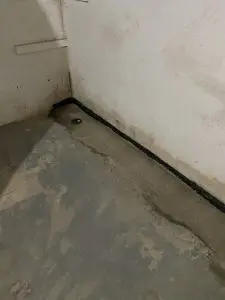
Hydrostatic pressure is the primary cause of spring basement flooding. As the snow turns to liquid, it saturates the loose soil surrounding your foundation. This water is incredibly heavy. Because it has nowhere else to go, it exerts immense pressure against your basement walls and upward against your floor slab.
This pressure is what forces water through the “cove joint” (where the wall meets the floor) or through hairline cracks in the concrete. If your home in the Buffalo or Erie region isn’t equipped with a robust drainage system, even a small thaw can lead to significant water intrusion.
Your Pre-Thaw Maintenance Checklist
Essential Spring Prep Steps
- Clear the Snow Perimeter: Shovel snow away from your foundation. Try to create a 3-to-5-foot clear zone to ensure that when the snow melts, the water starts its journey further away from your basement walls.
- Inspect Your Gutters: Ice dams and winter debris can clog gutters. Ensure your downspouts are clear and extending at least 6 to 10 feet away from the house to prevent roof runoff from adding to the groundwater pressure.
- Test Your Sump Pump: Pour a five-gallon bucket of water into your sump pit to ensure the float switch triggers the pump and the water is discharged quickly.
- Check Your Discharge Lines: Ensure the exit point of your sump pump line isn’t buried under a snowbank or frozen solid, which could cause water to back up into the pump motor.
Why a Primary Pump Isn’t Enough
In Western New York and Northwest Pennsylvania, spring storms often come with high winds and power outages. A primary sump pump is useless if the power goes out. Furthermore, during a massive thaw, a single pump may struggle to keep up with the volume of water.
This is why high-capacity battery backup systems are vital for homes in Erie and Buffalo. A secondary pump provides both redundancy (in case the first pump fails) and additional capacity (if the first pump is overwhelmed).
Long-Term Solutions for Seasonal Seepage
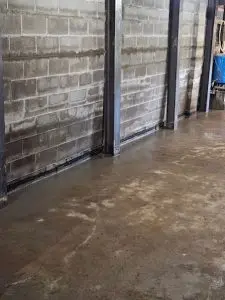
If you find yourself “babysitting” your sump pump every spring, it’s a sign that your current system is inadequate. Modern waterproofing solutions, such as interior French drains and professional wall vapor barriers, are designed to manage the high water tables typical of our region. These systems lead the water to the pump before it ever reaches your floor, keeping your basement dry even during the most aggressive spring thaws.
Common Questions About Spring Basement Flooding
Q: Why is my basement wet only in the spring?
A: This is usually due to the high water table and hydrostatic pressure caused by melting snow and spring rain, which pushes water through porous concrete or foundation joints.
Q: Can a dehumidifier stop spring dampness?
A: A dehumidifier helps with air quality, but it cannot stop liquid water from seeping through your foundation. You must address the water source with a drainage system.
Q: What if my yard slopes toward my house?
A: Negative grading is a major contributor to flooding. While re-grading helps, an interior drainage system is often necessary to handle the water that naturally moves through the soil toward your foundation.
Don’t Get Caught in the Flood
Spring is coming, and so is the snowmelt. Ensure your home is protected with a Free 21-Point Inspection from the experts who understand Buffalo and Erie foundations.
Contact Highlander Waterproofing & Foundation Repair today to secure your basement before the thaw begins.

Giulio and Jennifer Bevilacqua are the dedicated and passionate owners of Highlander Waterproofing, a trusted name in basement waterproofing and foundation repair. With a commitment to protecting homes and ensuring the safety and well-being of families, Giulio and Jennifer have built Highlander Waterproofing into a premier service provider in the region. Their hands-on approach, combined with years of industry expertise, has helped them earn a stellar reputation for delivering reliable and effective waterproofing solutions.
The Bevilacquas pride themselves on offering personalized service, using proven techniques, and employing a team of highly trained professionals who share their dedication to quality workmanship. As a family-owned and operated business, Giulio and Jennifer emphasize integrity, transparency, and a genuine concern for their clients’ needs. They believe in building lasting relationships with their customers by ensuring each project is completed to the highest standards. Highlander Waterproofing continues to thrive under their leadership, offering innovative solutions and exceptional customer service that homeowners can depend on.