


Homeowners in Erie, Pennsylvania, face a unique set of geographic challenges when it comes to keeping their basements dry. Situated right on the Great Lakes, our region is famous for heavy lake-effect snow accumulation followed by sudden, rapid spring thaws. When feet of snow melt over a matter of days, or when intensive seasonal rainstorms roll in off the water, the ground becomes completely oversaturated.
This environmental reality creates a dangerous subterranean phenomenon: a rapidly rising groundwater table. When the water table rises, it subjects your home’s subterranean masonry to immense physical pressure. To protect your home’s structure and real estate value, you need to understand why these water tables cause basement flooding and how to solve the problem permanently.
Why Erie Foundations Face Intense Hydrostatic Pressure
When the soil surrounding your home cannot absorb any more water, the water table rises up against your foundation. This creates hydrostatic pressure—the lateral and upward force exerted by resting water. Water is incredibly heavy, and as it pools against your foundation, it seeks the path of least resistance to relieve that pressure.
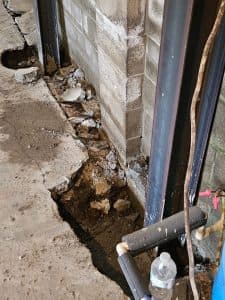
In most Erie homes, that path of least resistance is the cove joint. The cove joint is the structural seam where your poured concrete basement floor slab meets your vertical concrete block foundation walls. Because this joint is not a solid, fused barrier, high hydrostatic pressure easily forces groundwater directly through this seam, resulting in wet basement floors, ruined drywall, and persistent mold growth.
The Pressure Trap: Trying to block water table leaks from the inside with retail waterproofing paints or caulks is a losing battle. Hydrostatic pressure will easily blister, bubble, and peel away thin chemical coatings within a few seasons because the water pressure is never actually relieved.
The Permanent Fix: Highlander’s Interior Sub-Floor Drainage System
True basement waterproofing does not mean trying to create an impenetrable, dam-like seal. Instead, it requires modern hydrostatic pressure relief. At Highlander Waterproofing, we install an engineered interior sub-floor drainage system designed to capture rising groundwater before it ever touches your basement floor.
Our specialized crews implement a permanent, multi-step configuration:
1. Precision Floor Trenching
We carefully break open a clean, localized channel along the interior perimeter of your basement floor slab, directly adjacent to the failing cove joint. This opens up immediate access to the subterranean zone where hydrostatic pressure builds.
2. Perforated Drain Tile Installation
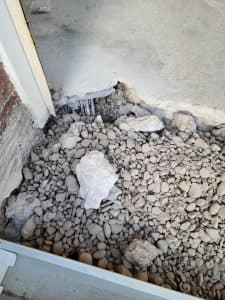
Inside the trench, we lay a high-capacity, perforated drainage pipe nestled in a bed of clean, washed river gravel. This pipe acts as a continuous channel of least resistance, drawing rising groundwater away from the masonry and into the drainage system.
3. High-Output Sump Pump Infrastructure
The drainage channel slopes gently toward a heavy-duty, industrial-grade sump pump basin. As groundwater fills the basin, a powerful cast-iron sump pump automatically discharges the water safely out and away from your home’s foundation. For absolute security during intense Erie storms, we highly recommend upgrading to a dual-pump configuration with an independent battery backup system.
Preserving Your Home’s Long-Term Equity
Leaving a high water table problem unaddressed does more than ruin your lower-level storage spaces. Over time, constant water infiltration degrades the structural integrity of your concrete block walls and erodes the soil supporting your foundation footers. This can lead to horizontal cracking, structural bowing, and eventual foundation settlement.
By installing a permanent sub-floor pressure-relief system, you neutralize the destructive power of hydrostatic pressure entirely. Furthermore, because Highlander Waterproofing provides a Lifetime Transferable Warranty on our sub-floor drainage installations, your waterproofing system turns into a massive selling asset that transfers directly to the next deed holder, fully protecting your home’s market value.
FAQs About Basement Waterproofing in Erie, PA
Will installing an interior French drain system ruin my finished basement?
Not at all. Our experienced crews are highly trained in clean, low-impact execution. We carefully remove only a small, lower section of drywall and flooring along the immediate perimeter, install the sub-floor drainage pipe cleanly, and leave the zone perfectly prepared for quick, seamless cosmetic restoration.
Can proper outdoor gutter extensions fix a high water table leak?
Diverting roof water away from your home using downspout extensions is an excellent preventative step that reduces localized surface saturation. However, if your home is built over a naturally high regional water table, surface-level grading adjustments alone cannot prevent groundwater from rising up through the cove joint during seasonal thaws.
How long does a professional interior drainage installation take?
Most residential basement waterproofing projects in the Erie area are fully completed within 3 to 5 working days, depending on the square footage of the basement perimeter and layout complexity.
Secure Your Home Before the Next Big Thaw
Don’t wait for the next heavy rainstorm or sudden snowmelt to flood your basement and stress your family. Partner with a family-owned brand with a 35-year legacy of engineering authority and a two-time BBB Torch Award for Ethics. Contact Highlander Waterproofing today to arrange your honest, pressure-free basement evaluation.
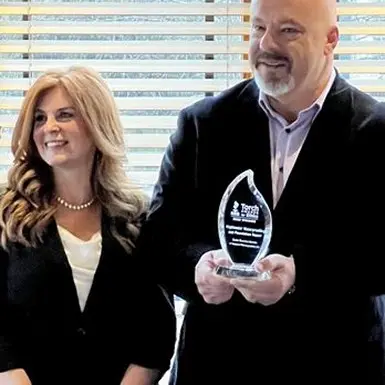
Giulio and Jennifer Bevilacqua are the dedicated and passionate owners of Highlander Waterproofing, a trusted name in basement waterproofing and foundation repair. With a commitment to protecting homes and ensuring the safety and well-being of families, Giulio and Jennifer have built Highlander Waterproofing into a premier service provider in the region. Their hands-on approach, combined with years of industry expertise, has helped them earn a stellar reputation for delivering reliable and effective waterproofing solutions.
The Bevilacquas pride themselves on offering personalized service, using proven techniques, and employing a team of highly trained professionals who share their dedication to quality workmanship. As a family-owned and operated business, Giulio and Jennifer emphasize integrity, transparency, and a genuine concern for their clients’ needs. They believe in building lasting relationships with their customers by ensuring each project is completed to the highest standards. Highlander Waterproofing continues to thrive under their leadership, offering innovative solutions and exceptional customer service that homeowners can depend on.