


For many homeowners across the Tri-State area, the crawlspace is a classic case of “out of sight, out of mind.” If your home was built over an open, dirt-floor crawlspace with traditional foundation vents, you might assume it is performing exactly as intended. However, modern building science has proven that traditional vented crawlspaces are an outdated methodology—one that actively damages homes in our humid Great Lakes and regional climates.
When faced with quotes for professional crawlspace encapsulation, it is completely natural to wonder: Is this investment actually worth the cost? To answer that, we have to look beneath the surface at how sub-grade moisture silently destroys your home’s skeletal framework, inflates your utility bills, and compromises the air your family breathes every single day.
The True Financial Returns of a Sealed Crawlspace
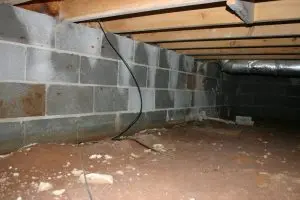
Crawlspace encapsulation is not a cosmetic home upgrade; it is a high-yield structural intervention. While the upfront cost varies based on square footage and localized drainage needs, the long-term financial returns consistently outweigh the initial investment through three primary channels:
1. Drastic Reduction in Heating & Cooling Expenses
An open crawlspace acts as a massive thermal bridge beneath your living spaces. In freezing winters, bitter drafts chill your floorboards, forcing your heating system to work overtime. In humid summers, heavy moisture infiltrates the space, making your air conditioner work twice as hard to combat indoor humidity. By completely sealing out these external elements, professional encapsulation typically reduces residential HVAC energy consumption by up to 15 to 20 percent.
2. Permanent Mitigation of Fungal Wood Rot
Raw dirt floors continuously evaporate gallons of moisture directly into the framing of your house. When relative humidity in a crawlspace consistently climbs above 60 percent, wood-decay fungi germinate. Over time, this fungus devours the structural cellulose in your subflooring and supporting joists, causing floors to sag, bounce, or require thousands of dollars in structural timber replacement. Encapsulation permanently halts this degradation cycle.
3. Eradication of Costly Pest Ecosystems
Damp, dark, unsealed dirt floors are the ultimate breeding ground for wood-boring insects, termites, mice, and rats. Traditional pest control treatments only offer temporary fixes if the underlying humid environment remains unchanged. Encapsulation removes the moisture and seals off entry points, permanently destroying the ecosystem these pests need to survive.
The Mechanics of the “Stack Effect” and Indoor Air Quality
Many homeowners believe that what happens under their floorboards stays under their floorboards. Physics says otherwise. Houses operate under a natural aerodynamic principle known as the Stack Effect.
How the Stack Effect Works: Warm air naturally rises in a home and escapes through the upper levels and roof line. As this air escapes, it creates a powerful negative pressure vacuum on the lower levels. This vacuum actively pulls air upward—meaning up to 50 percent of the air you breathe on your first floor is pulled directly out of your crawlspace.
If your crawlspace is plagued by damp soil, airborne mold spores, or rodent droppings, those microscopic contaminants are constantly drawn up into your living spaces. Encapsulating the space creates a pristine, impervious barrier that permanently seals off these allergens, drastically improving indoor air quality and eliminating persistent, musty odors.
The Technical Standard: Highlander’s Encapsulation Configuration
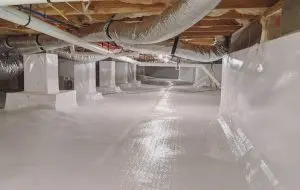
A truly effective encapsulation requires a system engineered for durability. Quick-fix contractors often throw thin, unsealed plastic sheets over the dirt floor—a shortcut that quickly tears and traps moisture beneath the surface, accelerating wood rot out of sight.
At Highlander Waterproofing, our multi-layer configuration sets the regional standard for sub-grade protection:
- Mil-Spec Vapor Barrier: We install an incredibly thick, reinforced, bright white vapor barrier across the entire floor and mechanically fasten it to the foundation walls.
- Sealed Seams: Every single overlap, puncture, and structural column pier is permanently sealed using high-bonding, industrial-grade seam tape.
- Commercial Dehumidification: We integrate a heavy-duty, low-temperature dehumidifier explicitly engineered to automatically maintain sub-grade relative humidity below 50 percent year-round.
FAQs About Crawlspace Encapsulation Costs & Benefits
How long does a professional crawlspace encapsulation system last?
When installed utilizing our heavy-duty, commercial-grade components and high-capacity dehumidifiers, an encapsulation system is designed to last for decades. Highlander backs this performance with a comprehensive lifetime transferable warranty, preserving your home’s equity.
Can I encapsulate my crawlspace myself to save money?
While DIY kits exist, proper encapsulation requires precise grading, structural moisture calculation, and specialized mechanical sealing around complex footers and plumbing lines. Incorrectly sealed seams frequently trap moisture against wood framework, making professional installation critical for long-term protection.
Will encapsulating my crawlspace completely eliminate the musty smell in my house?
Yes. By permanently isolating raw soil moisture and keeping ambient humidity below the threshold where mold and mildew can grow, musty odors are eliminated at the source within days of system activation.
Take Control of Your Home’s Structural Health
When you add up the energy savings, the prevention of structural wood rot, the elimination of pests, and the massive upgrade to your family’s respiratory health, crawlspace encapsulation isn’t an expense—it is a protective investment. Contact the family-owned team at Highlander Waterproofing today to schedule a detailed, pressure-free crawlspace evaluation.
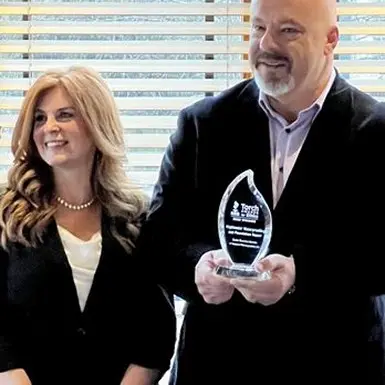
Giulio and Jennifer Bevilacqua are the dedicated and passionate owners of Highlander Waterproofing, a trusted name in basement waterproofing and foundation repair. With a commitment to protecting homes and ensuring the safety and well-being of families, Giulio and Jennifer have built Highlander Waterproofing into a premier service provider in the region. Their hands-on approach, combined with years of industry expertise, has helped them earn a stellar reputation for delivering reliable and effective waterproofing solutions.
The Bevilacquas pride themselves on offering personalized service, using proven techniques, and employing a team of highly trained professionals who share their dedication to quality workmanship. As a family-owned and operated business, Giulio and Jennifer emphasize integrity, transparency, and a genuine concern for their clients’ needs. They believe in building lasting relationships with their customers by ensuring each project is completed to the highest standards. Highlander Waterproofing continues to thrive under their leadership, offering innovative solutions and exceptional customer service that homeowners can depend on.