


You’ve just mopped up the last of the water from your basement flood and you’re left wondering, “Will this happen again?” The answer isn’t always clear. It’s important to identify the source of the water, evaluate the damage, and understand your home’s history. If you’re spotting recurring signs like persistent dampness, it could suggest an ongoing problem. Getting professional advice is often a smart move to assess the situation accurately. Stick around, we’re about to unravel the mystery of basement floods; you wouldn’t want to miss out, would you?
Assessing One-Time vs Recurring Basement Flooding
- Identify the water source and trace its spread to determine if the flooding is a one-time event or repetitive.
- Evaluate the extent of visible and hidden damage caused by the flooding to understand its severity.
- Review your home’s history, including past flooding incidents and local flood patterns, to anticipate future issues.
- Look for recurring signs, like persistent mold growth and high humidity levels, to detect ongoing water problems.
- Consult a professional for an accurate assessment of your basement’s condition and potential flooding patterns.
Identifying the Water Source
To get to the heart of your basement flooding issue, you’ll first need to identify the water source. This step is crucial in determining whether you’re dealing with a one-time occurrence or an ongoing problem.
Start by analyzing the water types. If the water is clean, it’s likely from a burst pipe or a rainwater leak. Dirty water, on the other hand, often indicates a problem with your sewage system.
Next, you’ll want to employ a technique called moisture mapping. This process involves using specialized tools to identify the exact areas where moisture is present. It’s a detail-oriented approach that helps pinpoint the exact location of your water source.
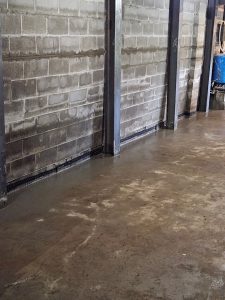
However, remember, water travels. So, a damp spot on your basement wall may not necessarily indicate the water’s origin. Here, tracing the path of the moisture spread becomes vital.
If the moisture consistently appears in the same spot, it’s probable you’re dealing with a localized issue. However, if moisture shows up in different areas, you might be wrestling with a more systemic problem.
Evaluating the Damage Extent
After identifying the water source, the next critical step is assessing the extent of the damage. It’s crucial to evaluate the severity of the damage, as this will largely dictate your repair options.
Start by inspecting the area thoroughly. Look for visible signs of damage such as discoloration, peeling paint, or warping. However, remember that not all damage is surface level. More extensive damage may lurk beneath the surface.
When evaluating damage severity, consider both the physical structure and any belongings that may have been affected. This includes furniture, appliances, and personal items. Keep in mind that electrical damage can present a serious safety hazard.
Next, consider potential hidden damage. Water can seep into unseen areas, causing structural damage and fostering mold growth.
Your repair options will depend on the severity of the damage. For minor issues, you might be able to handle repairs yourself. However, significant damage often requires professional intervention.
Understanding Your Home’s History
Often, understanding your home’s history can provide valuable insights into whether your basement flood is a one-time event or an ongoing issue. Delving into homeowner records and previous flood patterns will give you a clearer picture of the situation.
To begin, pore over any available homeowner records. These may reveal past incidents or recurring issues of flooding. Homeowner records are often comprehensive, detailing various aspects of the property’s past, including any flood-related problems.
Next, you’ll want to examine flood patterns in your area. Local weather records or community anecdotes can provide useful context. If your home is in a flood-prone zone, you’re more likely to experience recurring floods.
Here are some steps to begin your investigation:
- Seek out old homeowner records, check for mentions of basement floods.
- Research historical weather data for your area, looking for flood patterns.
- Engage with community members, especially long-time residents who might remember past floods.
Understanding your home’s history is a crucial step in determining whether your basement flood is a one-off event or a sign of recurring issues. It’s worth taking the time to do this research, as it can guide your next steps and help you prepare for the future.
Recognizing Recurring Signs
Spotting recurring signs of flooding in your basement isn’t always easy, but it’s a critical part of determining if your issue is ongoing or merely a one-time mishap.
Mold growth, for instance, is a common sign of persistent dampness. If you’re repeatedly finding this unwelcome guest, it signifies that your basement is consistently wet. Mold grows where there’s moisture, so its presence often indicates a chronic issue.
Similarly, check for high humidity levels. If there’s a water source, humidity levels will naturally rise. Purchase a hygrometer, a tool that measures relative humidity, and monitor the readings. Should they be consistently higher than 60%, it’s a red flag. High humidity not only encourages mold growth but also causes structural damage over time.
Also, observe the state of your walls and floor. Are they perpetually damp? Does the paint peel off? These are signs of chronic water intrusion.
Such issues aren’t resolved by a simple clean-up. They require a more in-depth solution, hinting at a recurring problem.
Consulting Professional Assessments
Despite your best efforts to identify recurring signs of flooding, it’s crucial to seek professional assessments for a more accurate diagnosis. Experts in this field can evaluate the condition of your basement, identify potential weak points and suggest effective drainage solutions.
There are several factors that professionals consider:
- The severity and frequency of the flooding
- The current condition of your basement’s structure
- The effectiveness of existing moisture barriers
These assessments are thorough, and they delve deeper than surface-level observations. They analyze the way water moves around your property, the slope of your land, and the condition of your home’s foundation.
This comprehensive approach ensures that nothing is overlooked. Experts might suggest installing new drainage solutions or reinforcing existing moisture barriers. This could involve external fixes like improving your property’s landscaping or internal solutions such as installing a sump pump or waterproofing your basement’s walls.
Frequently Asked Questions
What Are the Potential Health Risks Associated With a Flooded Basement?
Your health risks from a flooded basement involve water contamination and mold growth.
Contaminated water may contain harmful bacteria or chemicals. You’re also at risk of mold, which thrives in damp environments and can cause respiratory issues.
If you’re experiencing unusual allergies or respiratory problems, it’s likely not a one-time flood but an ongoing issue.
It’s crucial to address the problem immediately to prevent further health risks.
How Should I Clean and Disinfect a Flooded Basement?
To clean and disinfect a flooded basement, you’ll first remove any debris.
Next, dry the area thoroughly to prevent mold growth. Use a wet/dry vacuum if necessary.
Then, clean all surfaces with a heavy-duty cleaner.
Finally, apply a mold prevention product to all surfaces.
Regularly check for signs of mold or flood damage. If problems persist, consider professional help as it mightn’t be a one-time event.
Does Home Insurance Usually Cover Basement Flooding Damage?
Typically, standard home insurance doesn’t cover basement flooding damage.
It’s important you check your policy’s fine print. You’ll often find that you need separate flood insurance for such events.
Even then, it mightn’t cover all damage types, like those from sewer backups.
So, it’s best to consult your insurance agent to understand what’s covered and what’s not.
Being proactive can save you from future surprises.
How Can I Prevent My Basement From Flooding in the Future?
To prevent future basement flooding, you’ll need to take some proactive steps.
Consider installing a good drainage system around your house to direct water away from your foundation.
Also, investing in a sump pump can be crucial. It’ll automatically pump out water that collects in the sump basin, preventing it from flooding your basement.
Regular maintenance is important too, so you’re not caught off guard by a failure.
What Kind of Equipment Is Needed for Drying Out a Flooded Basement?
To dry out your flooded basement, you’ll need a few key pieces of equipment.
First, you’ll need a water extractor to remove the bulk of the water.
Once that’s done, use industrial-grade dehumidifiers to eliminate any remaining moisture.
It’s essential to monitor dehumidifiers’ usage regularly to ensure that they’re working efficiently.
In sum, you’ve got to pinpoint your water source, assess the damage, and delve into your home’s flood history. Be on the lookout for recurring signs of dampness. Don’t shy away from professional assessments—they can offer valuable insight. By thoroughly analyzing these factors, you’ll be better equipped to discern if your basement flood is a one-off occurrence or a persistent problem. Stay vigilant, proactive, and informed in order to safeguard your home from ongoing water damage.

Giulio and Jennifer Bevilacqua are the dedicated and passionate owners of Highlander Waterproofing, a trusted name in basement waterproofing and foundation repair. With a commitment to protecting homes and ensuring the safety and well-being of families, Giulio and Jennifer have built Highlander Waterproofing into a premier service provider in the region. Their hands-on approach, combined with years of industry expertise, has helped them earn a stellar reputation for delivering reliable and effective waterproofing solutions.
The Bevilacquas pride themselves on offering personalized service, using proven techniques, and employing a team of highly trained professionals who share their dedication to quality workmanship. As a family-owned and operated business, Giulio and Jennifer emphasize integrity, transparency, and a genuine concern for their clients’ needs. They believe in building lasting relationships with their customers by ensuring each project is completed to the highest standards. Highlander Waterproofing continues to thrive under their leadership, offering innovative solutions and exceptional customer service that homeowners can depend on.
