


Water seepage in your basement is a common but annoying issue that can lead to mold growth and structural damage if not addressed promptly. Repairing it involves a few steps: identifying the source of the water, sealing any cracks, and improving your home’s drainage system. Yet, how exactly do you go about this and what are the best materials and techniques to use? Let’s explore this further, and by the end, you’ll have a clear plan of action to tackle this pesky problem.
Key Takeaways
- Identify water entry points, inspect for cracks, and conduct a dampness assessment using a moisture meter.
- Improve your drainage system design to effectively divert water away from your home and reduce seepage risks.
- Seal cracks and holes near wall-floor joints using high-quality concrete sealant or patching compound.
- Apply waterproofing measures such as basement insulation and floor sealers, and consider protective floor coverings like tiles or vinyl planks.
- Conduct regular maintenance including bi-monthly checks, mold and mildew monitoring, and seasonal assessments.
Identifying the Source of Seepage

Before you can start fixing the water seepage in your basement, you’ll need to identify the source of the problem. It’s not as difficult as you might think.
Start by looking for signs of moisture. This could be anything from damp spots on the walls or floor, to actual puddles of water. Don’t overlook any unusual mold growth either. This is often a tell-tale sign of excessive dampness and poor moisture control.
Next, determine where the water is coming from. Is it seeping in from the walls, or is it coming up through the floor?
You’ll also want to check for cracks or holes where water might be getting in. Don’t forget to inspect the outside of your house as well. Look for any signs of water pooling near the foundation, as this could be the source of your problem.
Importance of Proper Basement Inspection
Having identified the potential sources of seepage, performing a thorough basement inspection becomes your next step. This process is crucial in ensuring that you’ve accurately identified all problematic areas and it’ll help you establish the best course of action to fix the issue.
- Dampness Assessment: You need to thoroughly check your basement for dampness. This will help you spot any hidden seepage points and condensation.
It’s important to remember that even the smallest amount of dampness can indicate a larger problem.
- Moisture Detection: Use a moisture meter to measure the moisture in your basement walls and floor.
High moisture levels can indicate seepage or a potential for mold growth.
- Structural Integrity Check: Inspect the walls and floor for cracks, gaps, and bulging.
These can be major entry points for water seepage.
- Inspect for Mold and Mildew: Moisture and dampness create ideal conditions for mold and mildew.
Their presence may imply ongoing water issues.
Understanding Your Home’s Drainage System
A key player in keeping your basement dry is your home’s drainage system. If you’ve ever wondered why some homes are prone to basement seepage, you’ll find it often boils down to the drainage design and soil permeability.
Your home’s drainage design is the blueprint for how water moves away from your home. It’s vital to understand this as it affects how effectively water is diverted, reducing the chances of seepage. Soil permeability, on the other hand, determines how quickly water can pass through the soil around your house. Low permeability can lead to water accumulation, increasing seepage risks.
Consider this table to understand these factors better:
| Key Term | Description |
|---|---|
| Drainage Design | The layout of how water is directed away from your home |
| Soil Permeability | The rate at which water passes through soil |
| High Permeability | Quickly drains water, reducing seepage chances |
| Low Permeability | Slows down water drainage, increasing seepage risks |
| Optimal Design | Balances both factors, minimizing seepage |
Understanding these factors can help you identify potential seepage sources and make informed decisions on managing your home’s drainage system.
Sealing Cracks and Holes
Leaks in your basement often start as tiny cracks and holes. If left unattended, they can quickly lead to water seepage, causing damage to your home’s foundation and interior.
Crack sealing and hole filling are effective methods to prevent such issues.
Here’s a 4-step guide to help you seal those cracks and fill those holes:
- Identify the Cracks and Holes: First, you’ll need to locate the cracks and holes in your basement floor. They’re often found near the joints of the walls and floor.
- Clean the Area: Once you’ve identified them, clean the cracks and holes thoroughly. Remove any loose debris, dust, or dirt, as they can impair the adhesion of the sealing materials.
- Seal the Cracks: Apply a high-quality concrete sealant into the cracks. It’s important to fill them completely. This process, known as crack sealing, will prevent water from seeping through.
- Fill the Holes: For any holes, use a concrete patching compound. This step, referred to as hole filling, will ensure a watertight seal.
Waterproofing Your Basement Floor
Now that you’ve effectively sealed the cracks and filled the holes in your basement, it’s time to add another layer of protection: waterproofing your basement floor. This step will help you maintain a dry, comfortable living space and protect your possessions from water damage.
Start by applying a layer of basement insulation. This material not only provides a moisture barrier, but it also helps regulate the temperature in your basement, making it a more comfortable space.
Choose a waterproof insulation that’s designed for basements to get the best results.
Next, apply a waterproofing sealer to the floor. This coating creates an additional moisture barrier that helps keep water seepage at bay.
Make sure to apply the sealer evenly and allow it to dry fully before moving on to the next step.
Lastly, consider installing a protective floor covering, such as tiles or vinyl planks. These coverings add another layer of protection and also improve the overall look of your basement.
Installing a Sump Pump
Should you find water still making an unexpected appearance in your basement, installing a sump pump can be your next line of defense.
A sump pump installation is an effective way to redirect water away from your basement, keeping it dry and free from potential damage.
Now, let’s consider the sump pump types available for your home:
- Submersible Sump Pumps: These are designed to function underwater. Their motor is enclosed and they’re more powerful, ideal for basements that experience heavy flooding.
- Pedestal Sump Pumps: These stand upright with the pump located on a pedestal. They’re less expensive, but also less powerful.
- Battery Backup Sump Pumps: These kick in when your power goes out, ensuring continuous operation.
- Combination Sump Pumps: These combine a primary pump with a battery backup option, offering comprehensive protection.
Knowing your sump pump types is half the battle.
The installation process might seem daunting, but it’s manageable.
You’ll need to dig a pit, install the pump, and run a discharge pipe.
Remember, if you’re unsure, it’s always wise to call a professional.
Keep your basement dry and your home safe with a well-planned sump pump installation.
Considering a French Drain System
Let’s switch gears and consider a French Drain System.
You’ll learn the basics, get a brief overview of the installation process, and weigh the pros and cons.
This information will help you decide if it’s the right solution for your basement water issues.
French Drain System Basics
Understanding the basics of a French Drain System can offer you the key to fixing water seepage in your basement. This system operates on a simple, yet effective concept – it redirects water away from your home, preventing the havoc caused by excessive moisture.
When considering a French Drain system, you’ll need to familiarize yourself with the french drain materials, and the basics of french drain installation.
Here’s a brief rundown:
- Gravel and Rock: These provide the base for your drain, allowing water to flow freely.
- Perforated Pipe: This collects the water that seeps through the gravel. It’s usually made of PVC.
- Geotextile Fabric: It prevents soil from clogging the drain, ensuring that water continues to flow.
- Drainage Trench: This is where all the materials go. It should slope away from your home to effectively redirect water.
Installation Process Overview
Now that you’re familiar with the components of a French Drain System, it’s time to explore how these pieces fit together in the installation process.
The first step in the process is gathering your installation materials. These typically include gravel, a perforated pipe, filter fabric, and a sump pump. You’ll also need tools like a shovel, a level, and a trenching tool.
Your installation timeline might look something like this.
Day one, you’ll dig a trench along the perimeter of your basement, ensuring it slopes away from the house. You’ll then lay down the filter fabric and fill the trench with a layer of gravel.
Day two, you’ll place the perforated pipe on top of the gravel, ensuring the holes face down. You’ll then wrap the pipe with filter fabric and cover it with more gravel.
This is where your sump pump comes in, as you’ll connect the pipe to the pump at the lowest point of the trench.
Pros and Cons
While a French Drain System might seem like a one-stop solution to your basement water seepage problems, it’s important to weigh the pros and cons before diving in.
Starting with the pros, a French drain can effectively redirect water away from your home, thus solving the problem of a soggy basement. Here’s why it might be a good idea:
- Efficiency: French drains work by catching water before it enters your basement, preventing dampness and potential damage.
- Increased property value: A dry basement can significantly increase your home’s resale value.
However, the cons need to be discussed. It’s crucial to conduct a cost analysis before starting your project. Here are the potential downsides:
- Installation cost: The cost of installing a French drain can be high, depending on material options and labor rates.
- Maintenance: French drains need regular cleaning to prevent blockages, which can add to the overall cost.
Maintaining Your Basement Post-Repairs
Now that you’ve fixed the seepage, it’s crucial to keep your basement in top shape.
Regular inspections can help you spot potential issues before they get out of hand.
Let’s discuss how preventive maintenance techniques can prolong the life of your repairs and keep your basement dry.
Regular Basement Inspections
Your basement’s integrity isn’t something you should take for granted. Regular inspections are crucial in maintaining a dry, safe environment, and they play a significant role in both basement air quality and moisture control.
To begin, you should create a consistent inspection schedule. This doesn’t have to be a rigorous weekly affair, but it’s important to do it regularly. Bi-monthly checks are advisable, but monthly checks are even better.
- Check for signs of water seepage: Look for wet spots, dampness, or any signs of water damage.
- Inspect for mold or mildew: These can greatly affect the basement air quality and may indicate a moisture problem.
- Look for cracks or structural issues: Minor cracks can lead to significant water seepage if not addressed promptly.
- Check the radon levels: This odorless, colorless gas can cause health issues and is often found in basements.
Preventive Maintenance Techniques
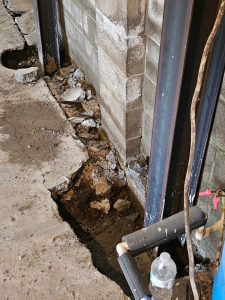
Ever wonder how to maintain your basement post-repairs? You’ve fixed the seepage, but now comes the important part: preventative maintenance. This includes seasonal checks and moisture monitoring, crucial steps to keep your basement dry and clean.
Firstly, seasonal checks are a must. As the seasons change, so do the conditions affecting your basement. When spring rains fall, check for any water seeping in. During the hot, humid summer, check for excess moisture. When leaves fall in autumn, ensure drains aren’t clogged. In the cold of winter, watch for any freezing that could cause pipes to burst. These checks can save you from future costly repairs.
Secondly, invest in a good moisture monitor. This device will keep tabs on the humidity levels in your basement. High humidity can lead to dampness, mold, and mildew, ruining your basement’s integrity. If the moisture levels rise, a dehumidifier can help to keep things dry.
Frequently Asked Questions
What Are the Cost Implications of Fixing Water Seepage in a Basement Floor?
Addressing the cost implications, you’re looking at a varied cost breakdown. This largely depends on the severity of the seepage issue.
It might seem pricey initially, but it’s important to consider the long-term savings. Neglecting this problem could lead to more serious damage, resulting in higher repair expenses in the future.
Are There DIY Solutions for Basement Water Seepage?
Yes, there are DIY solutions for basement water seepage.
You can install drainage solutions like a French drain or sump pump. Waterproofing methods are also effective; you can use a waterproofing paint or sealant on your basement walls and floor.
However, remember that these are temporary fixes. For a long-term solution, you might need to consult a professional.
It’s all about understanding the issue and choosing the right approach.
How Long Does the Process of Fixing Water Seepage Typically Take?
The length of time it takes to fix water seepage really depends on the severity of the issue and the repair methods you’re using.
If it’s a minor issue, you might be able to fix it in a day or two.
However, more serious problems could require weeks.
Is There Any Insurance That Covers Damage From Basement Water Seepage?
Yes, you can get insurance coverage for damage from basement water seepage.
However, it’s not typically included in standard homeowners’ insurance. You’d need to add a separate rider for seepage or flooding.
It’s crucial to read your policy carefully to understand what’s covered and what’s not. Often, there are exclusions for gradual damage, so immediate reporting is key.
Always consult with your insurance agent to ensure you’re adequately covered.
Can Water Seepage Lead to Structural Damage in the Rest of My Home?
Yes, water seepage can certainly lead to structural damage in your home.
Over time, consistent water damage can weaken the structural integrity of your house. This isn’t just limited to your basement. The damage can spread, affecting walls, floors, and even your home’s foundation.
It’s crucial to address the issue swiftly to prevent substantial damage. Always be on the lookout for signs of water damage to protect your home.
That’s it—you’ve mastered the basics of fixing water seepage in your basement! Remember, identifying the problem, sealing cracks, waterproofing, and improving drainage are key. Don’t forget the sump pump or a French drain if needed. Keep up with regular maintenance to avoid future issues. It may seem daunting, but tackling these steps can save you a lot of hassle and money down the line. You’ve got this!

Giulio and Jennifer Bevilacqua are the dedicated and passionate owners of Highlander Waterproofing, a trusted name in basement waterproofing and foundation repair. With a commitment to protecting homes and ensuring the safety and well-being of families, Giulio and Jennifer have built Highlander Waterproofing into a premier service provider in the region. Their hands-on approach, combined with years of industry expertise, has helped them earn a stellar reputation for delivering reliable and effective waterproofing solutions.
The Bevilacquas pride themselves on offering personalized service, using proven techniques, and employing a team of highly trained professionals who share their dedication to quality workmanship. As a family-owned and operated business, Giulio and Jennifer emphasize integrity, transparency, and a genuine concern for their clients’ needs. They believe in building lasting relationships with their customers by ensuring each project is completed to the highest standards. Highlander Waterproofing continues to thrive under their leadership, offering innovative solutions and exceptional customer service that homeowners can depend on.
