


For homeowners in Western Pennsylvania, Western New York, and Eastern Ohio, the arrival of winter brings more than just snow—it brings a battle against rising energy costs and drafty floors. If you have a crawlspace, you’ve likely looked at that dark, damp area under your home and wondered how to stop the cold from seeping up. Traditionally, the answer was fiberglass insulation, but modern building science points toward a more permanent solution: encapsulation.
Why Traditional Fiberglass Insulation Fails in Cold Climates
In the “Rust Belt” regions, we experience high humidity in the summer and freezing temperatures in the winter. Traditional insulation—those pink fiberglass batts tucked between floor joists—actually works against you in this climate.
- Moisture Absorption: Fiberglass acts like a sponge. It traps condensation from the humid crawlspace air, which eventually leads to sagging, mold growth, and wood rot.
- The “Cold Floor” Paradox: When fiberglass gets damp, it loses its R-value (insulating power). This means your floors stay cold regardless of how much insulation you pack in there.
- Pest Magnet: Rodents and insects find fiberglass batts to be the perfect nesting material, turning your crawlspace into a sanctuary for unwanted guests.
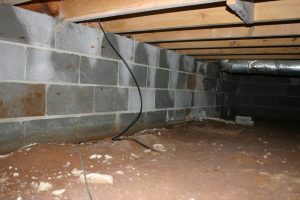
What is Crawlspace Encapsulation? (The “Clean Room” Approach)
Encapsulation is a comprehensive moisture and thermal management system. Instead of just insulating the floor, we treat the entire crawlspace as a conditioned part of the home. This involves lining the floor and walls with a heavy-duty, 20-mil vapor barrier, sealing all vents, and often installing a dedicated dehumidifier.
Think of encapsulation as putting a protective dry suit on your foundation. It doesn’t just block the cold; it changes the entire environment underneath your home.
The Stack Effect: How Your Crawlspace Air Ends Up in Your Kitchen

Building science explains a phenomenon known as the “Stack Effect”. Warm air rises and escapes through the top of your house, creating a vacuum that pulls air from the lowest point—the crawlspace. Studies show that approximately 50% of the air you breathe on the first floor of your home originated in your crawlspace or basement. If that air is full of mold spores, humidity, or musty odors, your family is breathing it in. Encapsulation stops the Stack Effect by sealing the air source.
Comparison: Which is Best for You?
If you are looking for a “quick fix” that may need replacement in five years, traditional insulation is an option. However, if your goal is long-term structural health and energy efficiency, encapsulation is the superior choice for several reasons:
- Humidity Control: Encapsulation keeps the relative humidity below 50%, preventing mold and wood rot.
- Structural Integrity: By keeping the wood joists dry, you prevent the “bouncing” or sagging floors common in older homes.
- Energy Efficiency: A conditioned crawlspace can reduce heating and cooling costs by 10% to 20% by eliminating drafts and temperature swings.
Frequently Asked Questions
Q: Does encapsulation stop mold?
A: Yes. By removing the organic materials and excessive moisture that mold needs to thrive, encapsulation effectively prevents mold growth in the crawlspace.
Q: How long does encapsulation last?
A: When professionally installed with a high-quality 20-mil vapor barrier, an encapsulation system can last 20 years or more with minimal maintenance.
Q: Will this lower my energy bills?
A: Most homeowners see a 10% to 20% reduction in their monthly heating and cooling costs because the HVAC system no longer has to fight the cold, damp air coming from the crawlspace.
Breathe Cleaner Air and Lower Your Bills
Don’t let a damp crawlspace compromise your home’s health or your comfort this winter. Get a custom quote for crawlspace encapsulation and discover the Highlander difference.
Contact Highlander Waterproofing & Foundation Repair today for a Free 21-Point Inspection.

Giulio and Jennifer Bevilacqua are the dedicated and passionate owners of Highlander Waterproofing, a trusted name in basement waterproofing and foundation repair. With a commitment to protecting homes and ensuring the safety and well-being of families, Giulio and Jennifer have built Highlander Waterproofing into a premier service provider in the region. Their hands-on approach, combined with years of industry expertise, has helped them earn a stellar reputation for delivering reliable and effective waterproofing solutions.
The Bevilacquas pride themselves on offering personalized service, using proven techniques, and employing a team of highly trained professionals who share their dedication to quality workmanship. As a family-owned and operated business, Giulio and Jennifer emphasize integrity, transparency, and a genuine concern for their clients’ needs. They believe in building lasting relationships with their customers by ensuring each project is completed to the highest standards. Highlander Waterproofing continues to thrive under their leadership, offering innovative solutions and exceptional customer service that homeowners can depend on.
